
Choose custom packaging when your brand, product shape, or unit economics demand it — and choose stock packaging when you need speed, small quantities, or a low-risk way to test a product. The real answer isn't one or the other for most brands: it's knowing exactly which SKUs deserve custom tooling and which don't. This guide walks through the cost math, MOQs, lead times, and brand trade-offs so you can decide with confidence.
The Short Answer: It's About Volume, Brand Stage, and Margin
If you're shipping more than roughly 10,000 units of a SKU per year and the product is part of your brand identity, custom packaging almost always pays off. If you're launching, testing, or running a low-volume premium line, stock packaging lets you get to market in days instead of months.
The decision hinges on three numbers: your annual volume per SKU, your per-unit margin, and how much the packaging contributes to the purchase decision. A $4 lip balm competing on shelf appeal lives or dies by its tube. A $60 clinical serum sold direct-to-consumer can start in stock airless bottles and upgrade later without losing customers.
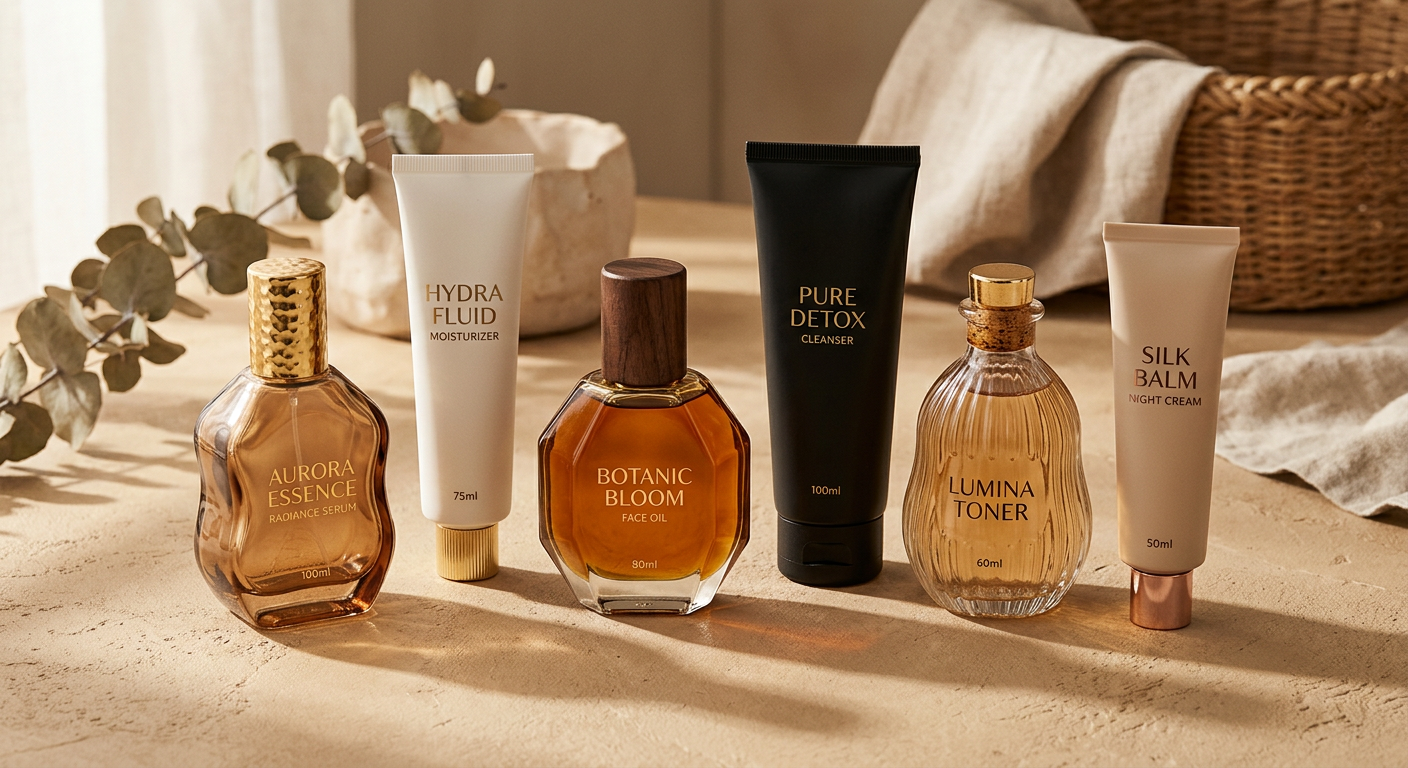
What Custom Packaging Actually Means
Custom packaging isn't just printing your logo on something. It's the ability to specify the shape, diameter, cap style, orifice reducer, wall thickness, decoration method, and material composition from the ground up. You're commissioning tooling — a mold or plate that produces your exact geometry.
Where custom really earns its keep
- Proprietary shapes that competitors can't copy quickly.
- Branded finishes — soft-touch, matte lacquer, hot stamping, embossing.
- Sustainability claims — PCR percentages, mono-material structures, refillable systems.
- Decoration precision — Pantone matching, CMYK process printing, and multi-color silkscreen.
For example, a prestige skincare brand launching a hero serum might commission a custom airless bottle with a unique silhouette and soft-touch coating. That packaging becomes recognizable in a two-second shelf glance — and that's an asset no stock component delivers.
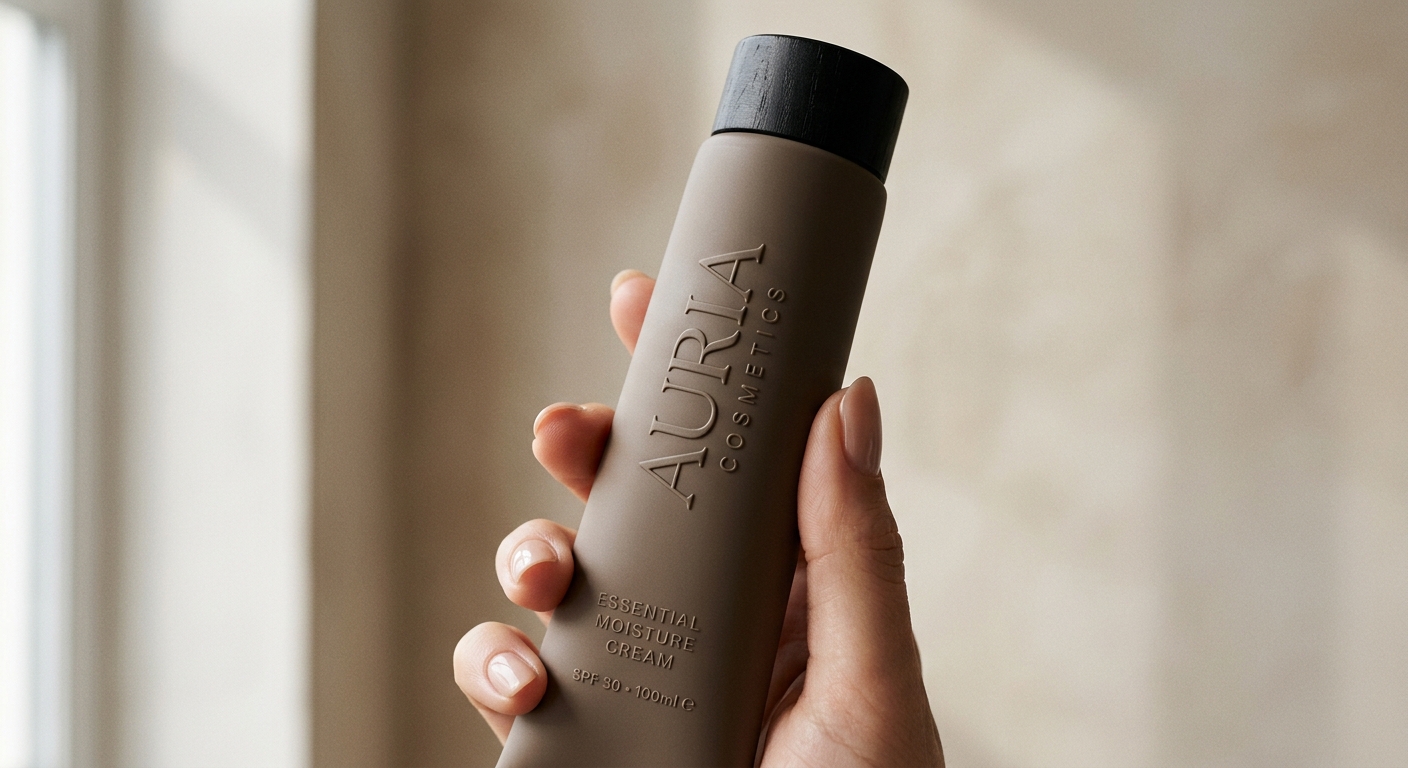
What Stock Packaging Really Is (and Isn't)
Stock packaging is pre-manufactured inventory — tubes, jars, bottles, and caps that sit in a supplier's warehouse ready to ship. You pick from a catalog, order as few as 100–1,000 units, and decorate after the fact with labels, screen printing, or hot stamping.
The misconception? That stock always means “cheap-looking.” It doesn't. Plenty of indie brands run premium product lines on stock airless pumps or aluminum tubes and decorate them beautifully. The limitation isn't quality — it's uniqueness. Your competitor can order the exact same component tomorrow.
Where stock shines
- Launching a new SKU without tying up $20K+ in inventory.
- Running limited editions or seasonal drops.
- Prototyping before committing to tooling.
- Filling gaps while custom production runs.
Side-by-Side: The Numbers That Matter
Here's where most buying decisions actually happen — the spreadsheet.
| Criteria | Custom Packaging | Stock Packaging |
|---|---|---|
| Minimum Order Quantity | 5,000–50,000+ units | 100–1,000 units |
| Unit Cost | Lower at high volume | Lower at low volume |
| Lead Time | 4–10 weeks | 1–7 days |
| Tooling / Setup Fees | $500–$5,000+ | None |
| Branding & Differentiation | Fully branded ✓ | Generic ✗ |
| Design Flexibility | Shape, size, finish, print | Fixed specs only |
| Best For | Hero SKUs, scaled products | Launches, tests, small runs |
| Sustainability Options | Full material control | Limited to supplier catalog |
Notice the crossover: at roughly 8,000–15,000 units (depending on component complexity), the amortized tooling cost disappears into the lower per-unit rate, and custom becomes cheaper than stock. That's your break-even signal.
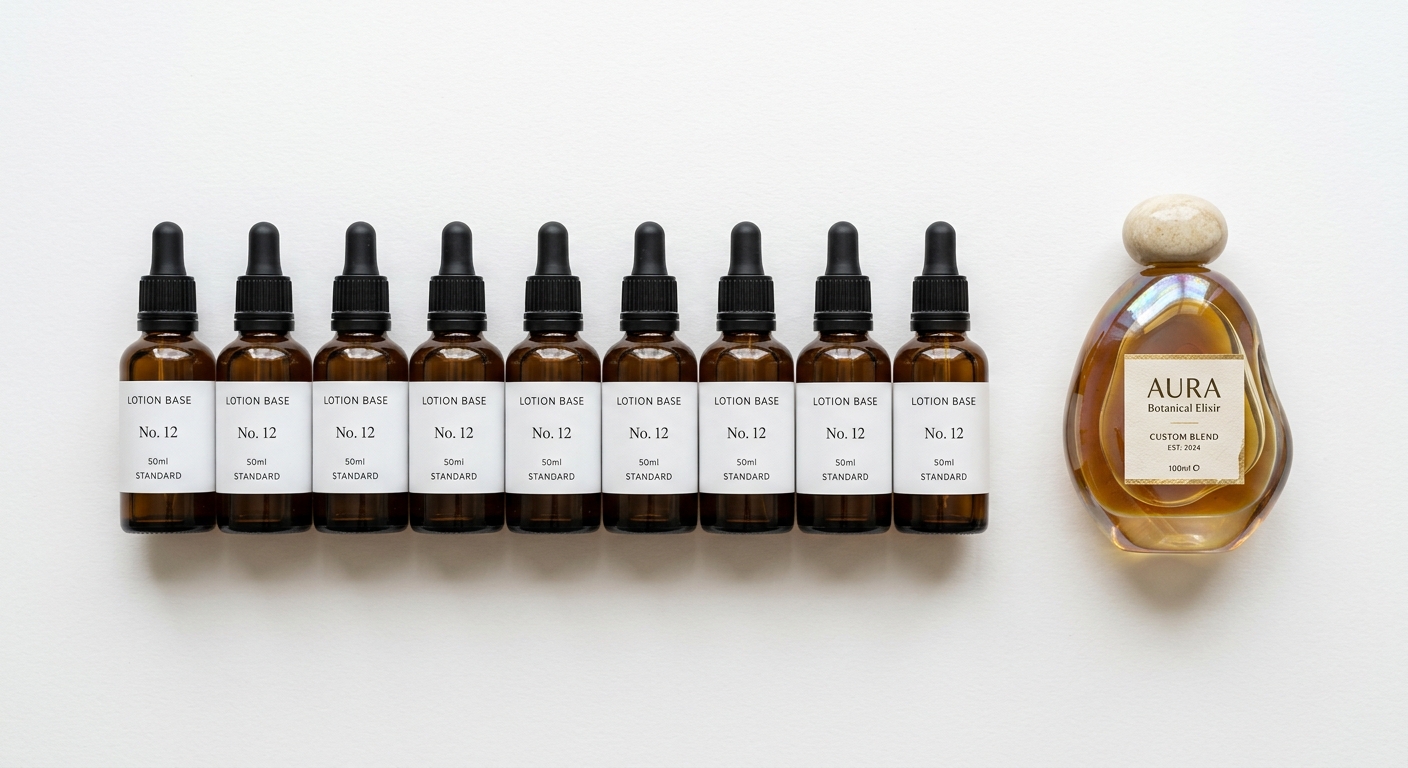
A Real-World Scenario: Two Brands, Two Paths
Brand A — The Fast Launcher
An indie founder launching a vitamin C serum wants 2,000 units to test Instagram ads before committing. Going custom would mean $3,000 in tooling, an 8-week wait, and 10,000-unit MOQ. Instead, she orders a stock airless bottle, applies a premium printed label, and ships in 10 days. Total packaging spend: under $2,500. Risk: minimal.
Brand B — The Scaling DTC
A two-year-old brand is selling 80,000 units a year of its bestselling moisturizer in stock jars. Switching to a custom tube with a branded cap saves $0.18 per unit and creates a shelf-distinct silhouette. Annual savings: $14,400. Tooling pays for itself in under four months. It's a no-brainer.
Same industry, opposite answers. The variable isn't taste — it's volume and lifecycle stage.
Hidden Costs Most Buyers Miss
Spreadsheet comparisons often stop at unit price. They shouldn't. These four hidden costs flip decisions regularly:
- Storage and cash flow. A 50,000-unit custom run means warehouse space and capital locked for 12–18 months. Stock reorders keep inventory nimble.
- Decoration runs. Screen printing or hot stamping on stock has its own setup fees — usually $150–$400 per color. Order 500 units and decoration can cost more than the component.
- Regulatory and compliance testing. Change a custom component's resin and you may need to re-test compatibility. Stock components are typically already validated — a real advantage in pharma and regulated categories.
- Reformulation risk. If your formula changes after tooling is cut, the custom cap or orifice may no longer be compatible. That's a painful write-off.
The Hybrid Approach (What Smart Brands Actually Do)
Most established brands don't go all-custom or all-stock. They segment their portfolio.
- Hero SKUs → custom. Your top 3–5 products that drive 60%+ of revenue justify tooling.
- Limited editions → stock. Holiday sets, influencer collabs, and PR drops run on stock components with custom decoration.
- New launches → stock first, custom after validation. Prove the SKU sells 10,000+ units annually, then invest in tooling.
This staged approach lets you protect margin on bestsellers while keeping agility everywhere else. It's also how brands transitioning to sustainable cosmetic packaging often operate — swap one hero product at a time to custom PCR or mono-material components rather than overhauling everything at once.
Questions to Ask Before You Decide
Before you call a supplier, run through this checklist. Your answers will make the decision almost obvious.
- How many units of this SKU will I realistically sell in the next 12 months?
- What's my gross margin per unit, and how much of that can packaging consume?
- Is the product's shape or tactile experience part of its identity?
- Am I willing to wait 8–10 weeks, or do I need it on shelf this quarter?
- Is the formula locked, or might it change after launch?
- Do I need refillable, mono-material, or specific PCR percentages for my sustainability goals?
- What's my cash position — can I tie up capital in inventory, or do I need to reorder in small batches?
If four or more answers point toward long-term, high-volume, brand-critical use, go custom. If most point toward speed, flexibility, or uncertainty, start with stock. For a deeper dive into material-level trade-offs, our guide on laminated vs. extruded tubes complements this decision well.
Making the Call with Confidence
Custom and stock aren't rivals — they're tools for different jobs. Custom packaging builds brand moats and improves margins at scale. Stock packaging reduces risk, preserves cash, and gets products to market while you're still learning what works. The brands that grow fastest use both, deliberately, and know exactly when to switch a SKU from one lane to the other.
If you're weighing options for tubes, airless bottles, or aluminum components and want a straight answer on which route fits your volume and timeline, the team at dolypackage can walk you through tooling costs, stock catalogs, and hybrid paths side by side. Send us your SKU specs and annual forecast — we'll tell you honestly which direction makes sense.


