
Aluminum tube wholesale pricing is driven by five factors: tube diameter and length, wall thickness, cap and closure type, printing and finish method, and order volume tier, not by the raw metal price alone. Locking in a Q4 order before year-end production schedules and material costs shift lets buyers secure 2026 rates and avoid the lead-time crunch that typically hits in Q1. If you’ve only found raw structural aluminum stock pricing when searching this term, that’s because most of Google’s top results are for construction framing tubes, not packaging. This guide breaks down what actually moves the needle on a cosmetic or pharma tube quote.
Key takeaways
- Aluminum tube pricing is driven by five factors: diameter/length, wall thickness, closure type, printing/finish, and order volume, not the raw metal price alone.
- Always ask suppliers to separate tube cost from decoration cost, since bundled quotes can hide where your budget is really going.
- Aluminum squeeze tubes offer up to 99% product yield and recycled aluminum re-enters production within 60 days, both of which affect true cost-of-ownership beyond sticker price.
- Access to 260+ existing molds can lower tooling cost versus a fully custom design, so ask if your target size already has a mold available.
Why Q4 Is the Window to Lock In Pricing
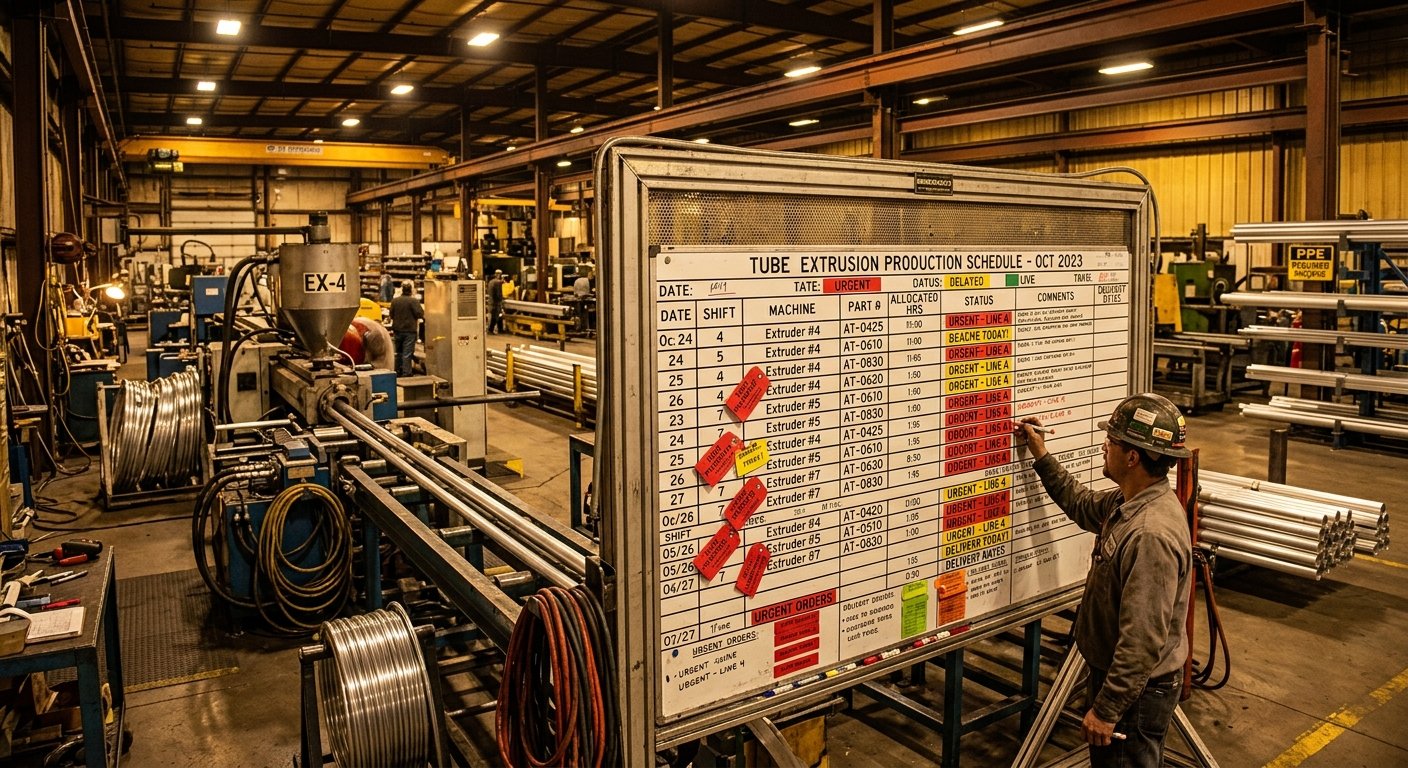
Most brands don’t think about packaging lead time until they’re already behind on a launch date. That’s the mistake. Manufacturers plan tooling allocation and material sourcing around year-end order cycles, which means Q4 orders tend to get priority scheduling for the following year’s production. Wait until January and you’re suddenly competing with every other brand doing a new-year packaging refresh at the same time, on the same factory floors.
That queue stretches lead times fast. A quote that would have taken a few weeks in November can slip into months once Q1 demand hits. Locking in a quote now doesn’t guarantee a discount, let’s be clear about that, but it does protect you from mid-year shifts in material sourcing or production capacity that can push your per-unit cost up later.
Think of it as reserving a production slot, not chasing a sale. If you’re planning a 2026 launch or a private label refresh, this is the planning window that matters most. For brands weighing their first move into metal packaging, starting with aluminum tubes as the default choice for a private label skincare line is a decision worth making before the Q1 rush, not during it.
What Actually Drives Aluminum Tube Wholesale Pricing
Ask any supplier for a price and the first thing they should ask back is: what size, what closure, what finish? Because those answers change the number more than anything else.
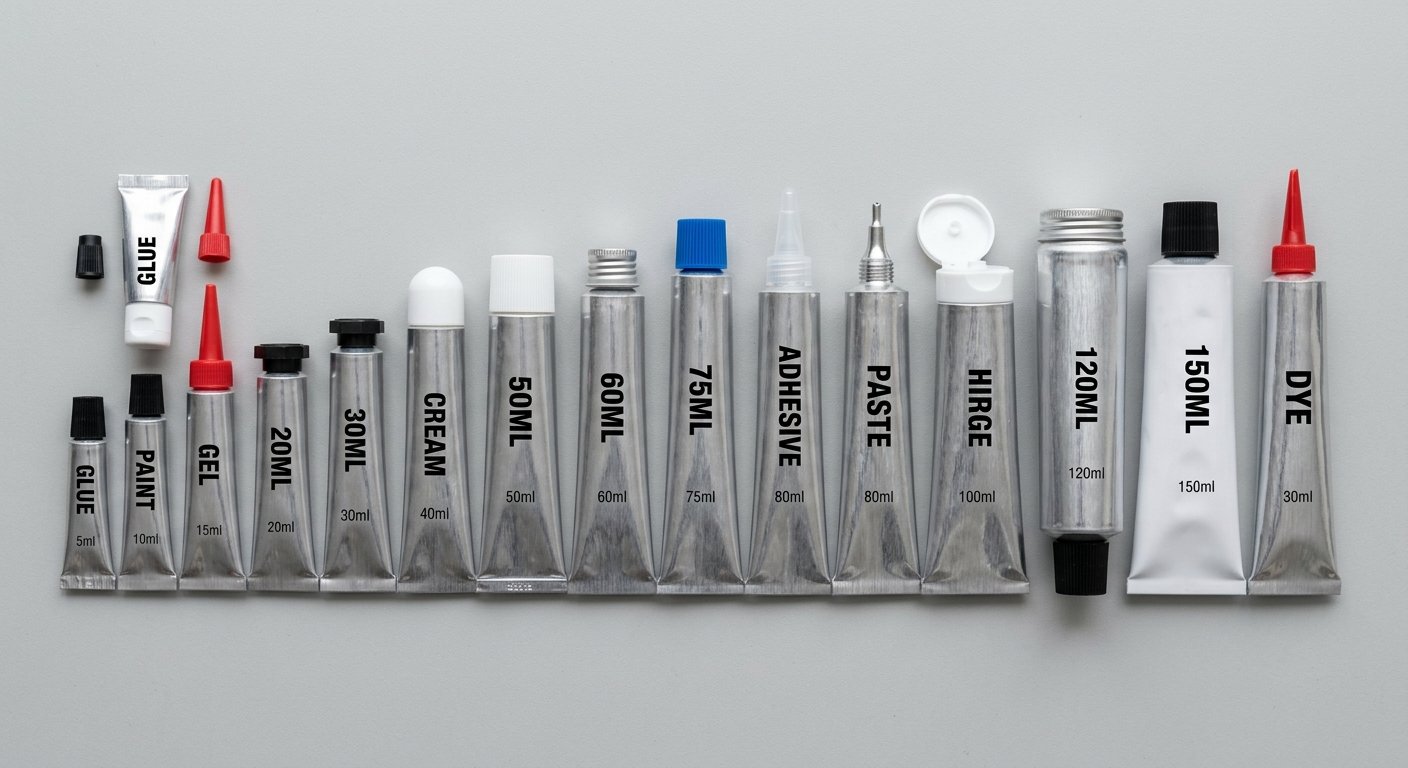
- Diameter and length: Aluminum tubes for skincare and makeup cream products typically run from D11.5 to D40, with custom lengths up to 200mm and capacities from 4ml to 200ml. More metal, more cost, but also more capacity per unit shipped.
- Wall thickness: Thinner walls aren’t automatically cheaper. Once you factor in squeezability and how well the tube protects the formula during filling and transport, the thickness that looks cheaper on paper can cost you more in product damage or poor dispensing.
- Cap and closure type: Flip-tops, screw caps, and customized caps each carry different tooling and unit costs. A custom closure shape means custom tooling, and that tooling cost gets spread across your order.
- Shape: Round tubes are the baseline. Oval or fully customized profiles add mold complexity, which shows up in your quote.
- Lining: A BPA-free, safe, stable lining should be a baseline expectation, not a line-item upcharge. If a supplier is charging extra for basic lining safety, that’s worth questioning.
For more on how shape and material interact with cost, the comparison in laminated versus extruded tube packaging is a useful reference point.
Printing Method and Surface Finish: The Hidden Price Variable
Here’s where a lot of buyers get surprised by their final invoice. Two tubes that are identical in size and metal can land at very different price points depending purely on how they’re decorated.
Offset printing, screen printing, and hot stamping each carry different setup costs and different per-unit economics once you scale. Offset tends to make more sense at higher volumes where the setup cost amortizes well; screen printing can be more flexible for smaller runs or spot colors; hot stamping adds a premium finish but at a premium cost. Choosing the wrong method for your order size means paying more than you need to, or settling for a look that doesn’t scale well. For a full breakdown of which to choose, see offset, screen, or digital printing for aluminum tubes.
Surface finish is the second hidden variable. Matte, glossy, and soft-touch finishes aren’t just aesthetic choices, they carry different cost implications tied to the coating process itself. If you’re exploring soft-touch options, it’s worth comparing against the alternatives before committing, which is exactly what we cover in matte vs. glossy vs. soft-touch finishes.
The practical takeaway: when you get a quote, ask the supplier to separate the tube cost from the decoration cost. Bundled pricing can hide exactly where your money is going, and you can’t negotiate what you can’t see.
How MOQ Tiers Change Your Per-Unit Price
Small orders almost always pay more per unit. That’s not a sales tactic, it’s just how tooling economics work. Mold and setup costs get amortized across the volume you order, so a 2,000-unit private label run and a 50,000-unit bulk order from the same tube design will never land at the same per-unit price.
Sample and low-quantity orders exist for a reason: testing fit, formula compatibility, and branding before you commit. Plastic composite tube packaging, for example, is offered with OEM, ODM, bulk, and low-quantity sample options specifically so buyers can validate before scaling. But don’t use a sample-run price as your benchmark for what a production run should cost. That’s comparing apples to a much smaller apple.
One thing that works in a buyer’s favor: having access to over 260 standard and non-standard molds already built means many common sizes don’t require a brand-new mold investment, which lowers tooling cost compared to a fully custom design from scratch.
Practical move: ask your supplier for a tiered quote, something like sample quantity, mid-tier, and full bulk, in one document. That lets you see exactly where the price curve flattens out, and whether pushing your order up to the next tier is actually worth it. For more on the mechanics suppliers rarely explain upfront, see MOQ explained for aluminum tube wholesale pricing.
Aluminum vs. Plastic Tube Pricing: What You’re Really Paying For
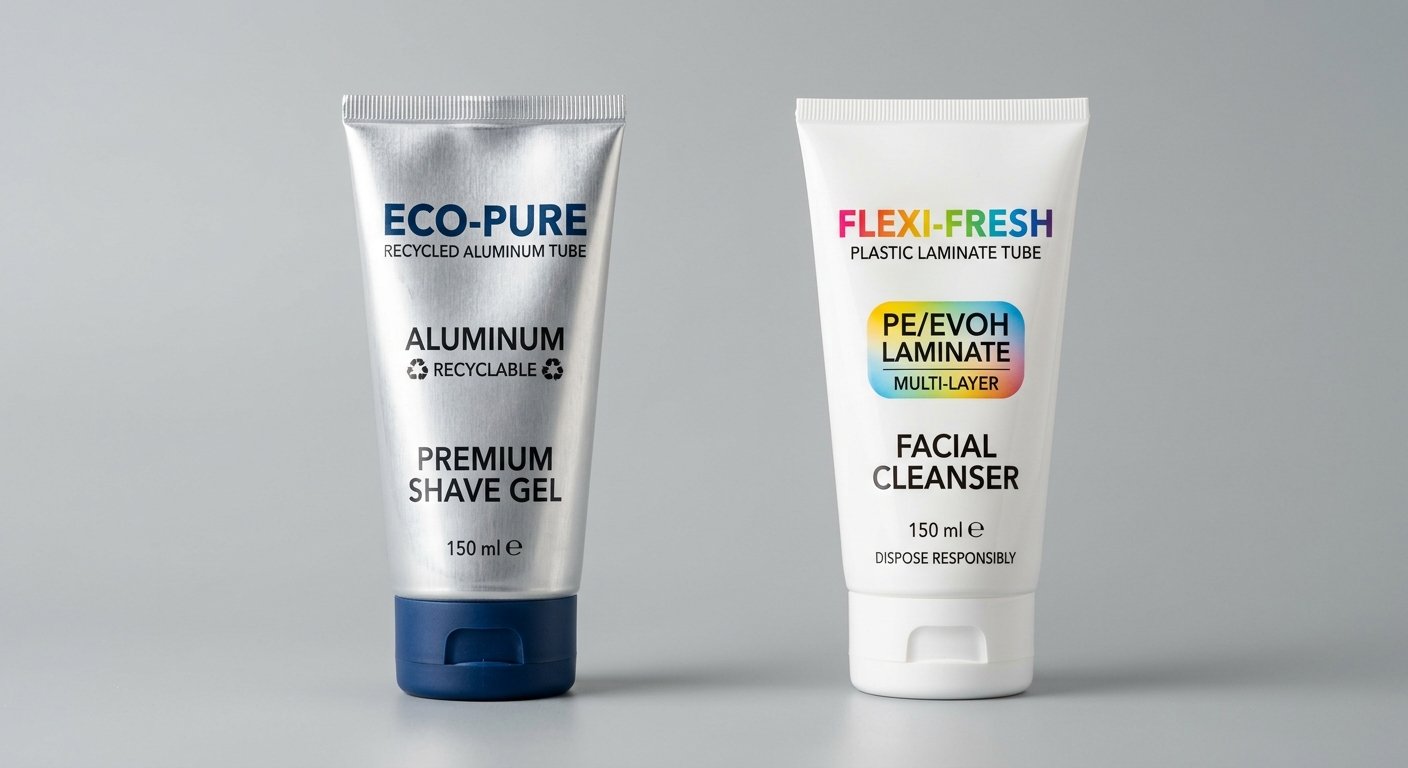
A plastic laminate tube will almost always beat an aluminum tube on sticker price. But sticker price isn’t the whole cost story, and treating it like it is costs buyers more over time than they realize.
Aluminum squeeze tubes offer up to 99% product yield, meaning almost none of your formula gets stranded inside the tube. For a premium serum or a pharmaceutical gel priced per milliliter, that difference in usable product adds up fast and changes your real cost-per-use comparison.
Then there’s the sustainability math, which plastic simply can’t match. Recycling aluminum uses roughly 5% of the energy required for virgin production, a savings of up to 95%. Recycled aluminum can re-enter production within 60 days, and 75% of all aluminum ever produced is still in circulation today. That’s a materially different long-term cost-of-ownership story than plastic, where recovery rates run lower and the recycled material doesn’t cycle back into use nearly as fast.
None of this means plastic composite tubes are the wrong choice across the board. If unit price is your top priority and your formula doesn’t need the barrier protection aluminum provides, plastic remains a valid option. But if you’re marketing sustainability, or your formula is light- or oxygen-sensitive, the aluminum premium is usually buying you something real. For the full sustainability case, see sustainable aluminum packaging for cosmetics.
Does Pricing Change by Product Category? Toothpaste vs. Hand Cream vs. Lip Gloss vs. Pharma
Your product category quietly decides which cost driver matters most in your quote. Ignore this and you’ll spend time negotiating the wrong line item.
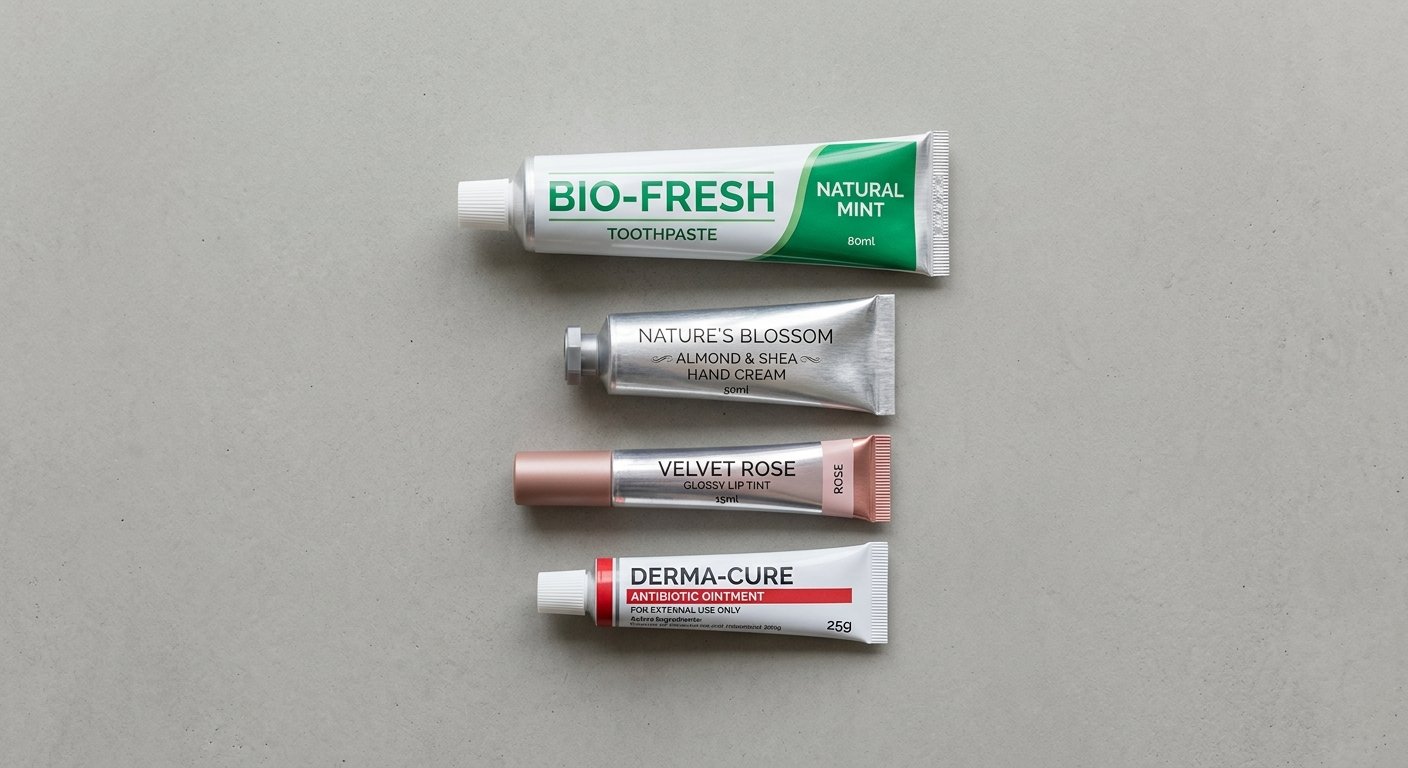
- Toothpaste: Typically runs larger diameters and much higher order volumes, which shifts the whole pricing conversation toward volume-tier economics rather than tooling complexity. See why aluminum toothpaste tube packaging is making a comeback.
- Hand cream: Sizes and closures vary widely, flip-top versus screw cap being the main fork in the road, so comparing two hand cream tube quotes only makes sense if the closure type matches.
- Lip gloss: Smaller diameter tubes, but often with intricate applicator or closure tooling, which raises relative unit cost even though the tube itself is small. Full detail in the custom lip gloss tubes manufacturer guide.
- Pharmaceutical: Tubes for eye creams, ointments, gels, and similar products, available from D11.5 to D40 with capacities from 4ml to 200ml, often need additional compliance-related lining or documentation considerations. That affects lead time and cost beyond just the tube itself. More in pharmaceutical tube packaging compliance and design and tailored pharma packaging.
What to Have Ready Before You Request a Wholesale Quote
Vague requests get vague quotes. Supplying the right details upfront is the fastest way to get a number you can actually plan around.
- Artwork specs: Finalized or near-final design files, number of colors, and your preferred printing method.
- Filling volume and formula type: Viscosity, pH sensitivity, and whether the formula reacts with metal linings matter for lining recommendations and lead time.
- Target tube size and closure type: Even approximate dimensions help narrow which existing molds apply.
- Expected order volume: Be clear on whether this is a sample run or a full production order so the quote reflects the right tier.
- Lead time expectations: Especially important if you’re targeting a Q4-to-Q1 launch window, since that’s exactly when demand stacks up.
Buyers who skip the formula compatibility detail often end up redoing their quote later. If leakage or lining reactions are a concern, it’s worth reading why aluminum tubes leak and how to fix it before production before you finalize specs.
Getting Your 2026 Pricing Locked In
Pricing on aluminum tubes is modular, not a single number pulled off a price sheet. Size, wall thickness, closure, printing method, finish, and volume tier all stack together, which means an accurate quote depends entirely on the specifics you provide, not a generic estimate.
Requesting a quote now, before Q1 demand picks up, is how you secure your spot in the production schedule and avoid the lead-time squeeze that hits every year once new-year launches flood the queue. With over 10 years of experience, more than 260 standard and non-standard molds already built, and physical factories in Yuyao, Wuxi, and Yangzhou, Dolypack has the manufacturing scale to put together a flexible custom quote without forcing you into a one-size-fits-all mold or timeline.
If you’ve got a target size, closure, and volume in mind, even roughly, send the specs over and get a quote built around your actual product, not a generic estimate. Explore the full packaging range or head straight to contact us to start your 2026 wholesale quote.
Frequently asked questions
What’s the minimum order quantity for custom aluminum tubes?
MOQ varies by tube size, closure, and tooling needs. Sample and low-quantity orders are available for testing, but production pricing is based on tiered volume, with per-unit cost dropping as order size increases toward bulk wholesale tiers.
Is aluminum more expensive than plastic tube packaging?
Aluminum typically carries a higher sticker price, but offers up to 99% product yield and strong recyclability, which can offset the cost difference over time. Plastic remains a reasonable choice when unit price matters more than barrier performance or sustainability.


