
The MOQ number a supplier quotes you first is almost never the real minimum — it’s a starting anchor built around their most profitable production run, not your actual needs. Aluminum tube MOQs are stacked from several separate cost layers (tooling, alloy sheet purchasing, printing plates, and finishing batches), and once you understand how each layer works, you can often negotiate the real number down by 30-50%. Most buyers never ask which layer is actually driving the minimum, so they end up overpaying or over-ordering.
Why ‘MOQ’ Isn’t One Number — It’s Four Stacked Together
Ask a supplier for their MOQ and you’ll usually get a single figure, like 10,000 pieces. That number is actually a bundle of four separate minimums stacked on top of each other, and most buyers never unbundle it.
Here’s what’s really inside that quote:
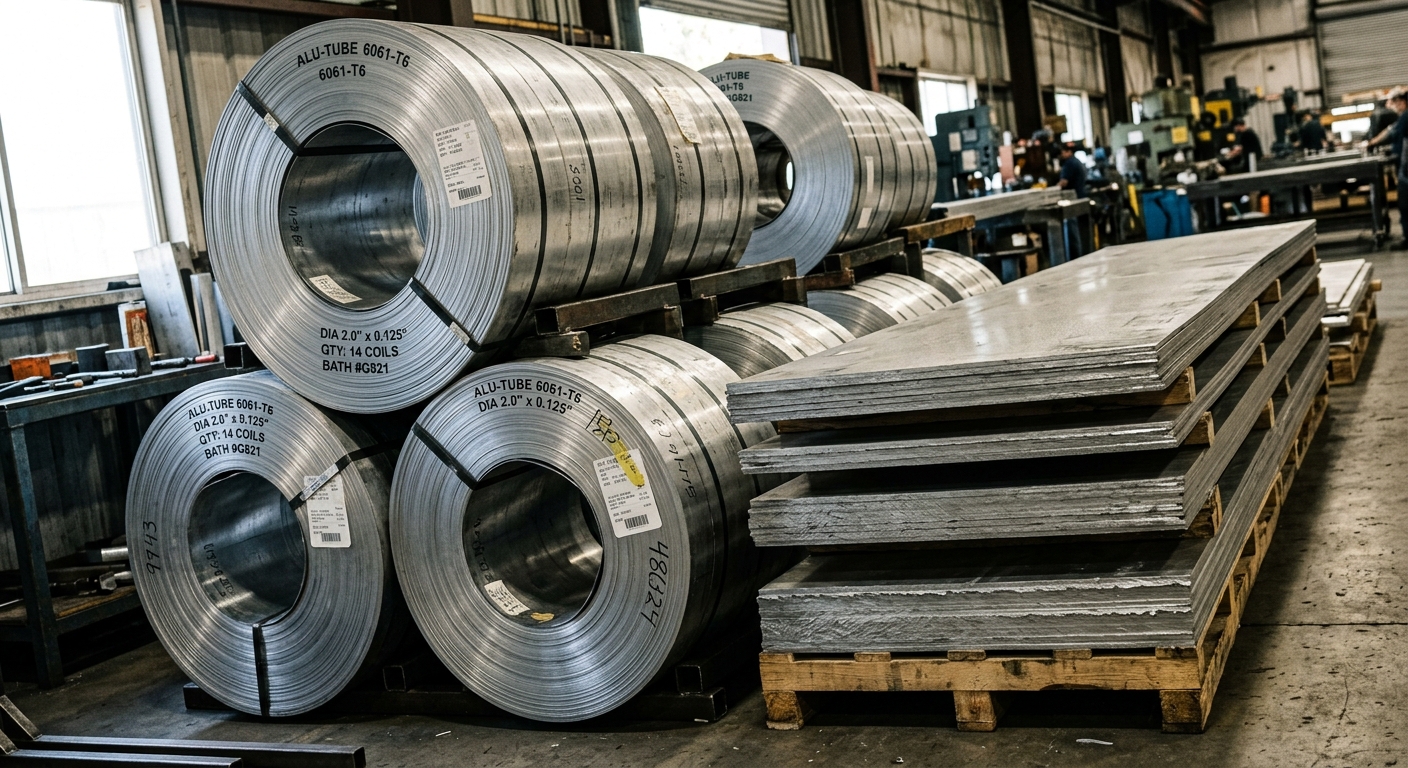
- Raw material minimum — aluminum sheet or slug suppliers sell coil stock in fixed weights, so your tube supplier needs to order enough coil to make it worthwhile.
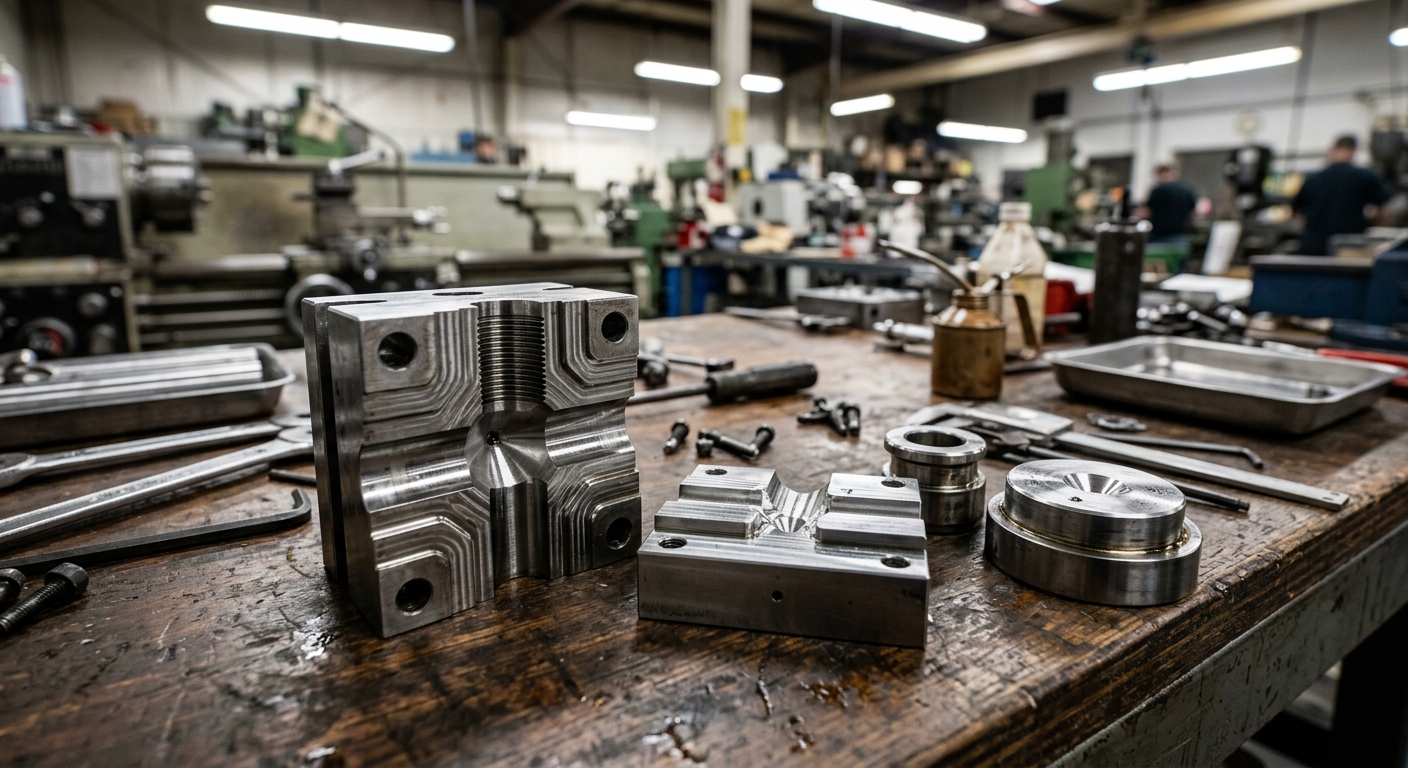
- Tooling minimum — if you need a custom cap shape, nozzle, or non-standard diameter, the mold or die has to be amortized across a certain volume.
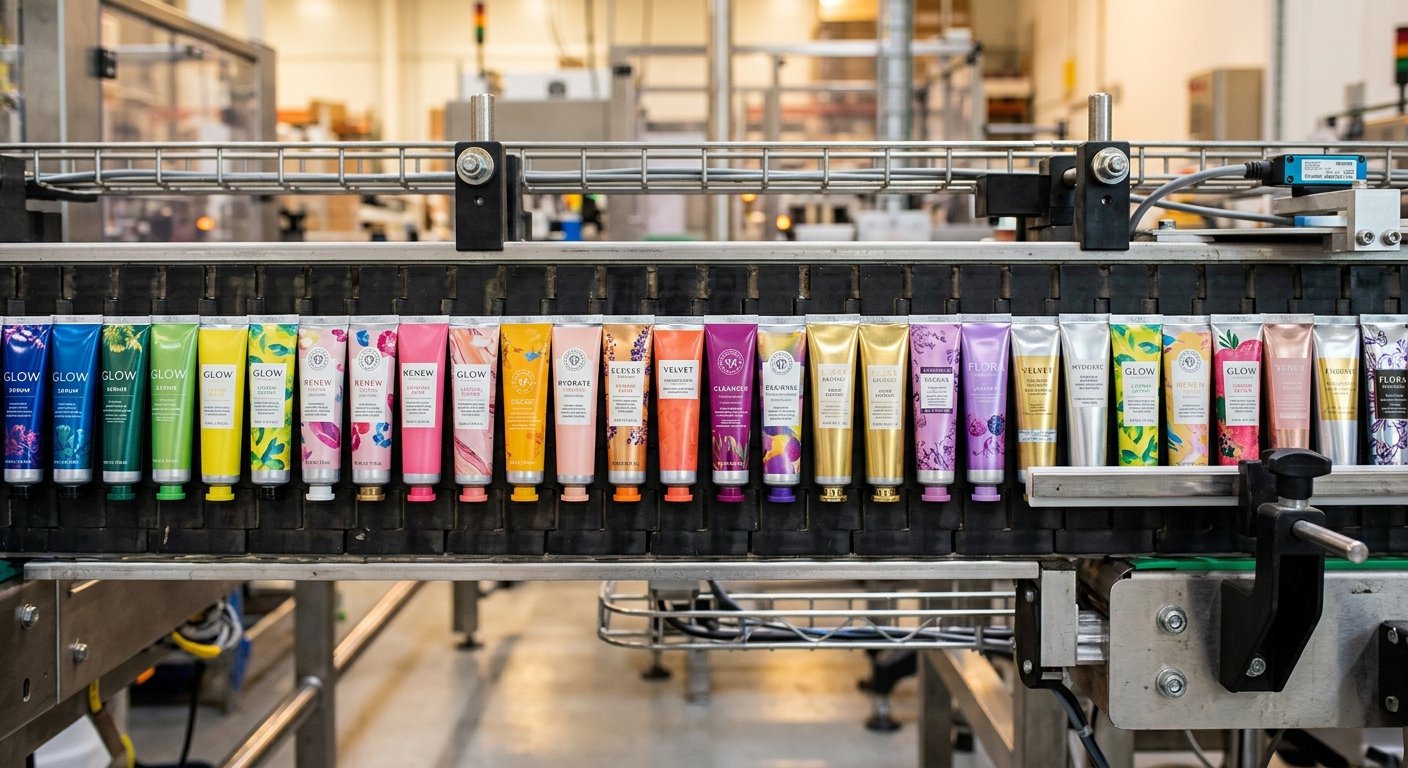
- Printing minimum — offset and silkscreen printing on aluminum tubes requires plate setup; that setup cost gets divided across your run.
- Finishing batch minimum — anodizing, matte coating, or spot UV are done in batches, and running a partial batch just for you rarely makes sense for the factory.
When you know which layer is pushing your MOQ up, you know exactly what to negotiate. If it’s the printing minimum, for instance, switching from a custom Pantone match to a stock color can drop your MOQ significantly without touching the tube itself.
The Tooling Trap: Why New Nozzle Shapes Cost More Than You Think
Custom nozzle or cap geometry is the single biggest MOQ inflator in aluminum tube manufacturing — and suppliers rarely explain why upfront. A new tooling set for a nozzle shape can run anywhere from $800 to $3,000 depending on complexity, and that cost has to be spread across enough units to make it worth manufacturing.
This is exactly why a supplier might quote you 5,000 pieces for a standard 19mm tube with a stock cap, but jump to 20,000 pieces the moment you ask for a flat oval nozzle or a unique flip-top design.
A Real Scenario
A mid-size skincare brand once came to a supplier wanting a hexagonal cap to match their brand identity. The quoted MOQ was 25,000 units. When they switched to a stock round cap with custom printing instead, the MOQ dropped to 8,000 units — and the tooling lead time disappeared entirely. Same shelf impact, a fraction of the commitment.
If your branding differentiation can live on the printed surface instead of the tube shape, you’ll almost always get a lower minimum. This matters a lot for brands exploring custom lip gloss tubes where applicator shape often drives unnecessary tooling costs.
Why Printing Method Quietly Controls Your Minimum Order
Silkscreen printing and offset printing on aluminum tubes have very different MOQ thresholds, and most buyers don’t ask which one their quote assumes. Offset printing gives you photo-quality gradients and fine detail, but the plate setup cost only makes sense above roughly 5,000-10,000 units. Silkscreen is cheaper to set up and can work economically at 3,000 units, but it limits you to fewer colors and simpler artwork.
If your design has gradients, fine text, or multiple overlapping colors, you’re locked into offset — and therefore a higher MOQ — whether you realize it or not. Brands designing toothpaste tube packaging often run into this when trying to replicate a complex retail box design directly onto the tube surface.
The fix is usually a design compromise, not a supplier compromise: simplify to 2-3 flat colors, and your MOQ requirement often drops along with your printing cost per unit.
The MOQ Number That Actually Matters: Per-SKU, Not Per-Order
Here’s the trap that catches new buyers every time: a 10,000-unit MOQ usually applies per SKU, not per order. If you’re launching a hand cream in three scents with three different printed designs, that’s not 10,000 units total — it’s 10,000 units for each design, or 30,000 units total.
This is exactly why brands developing a multi-variant line for hand cream tube packaging often get blindsided at the quoting stage. They budgeted for a single MOQ, not a multiplied one.
How to Work Around It
- Ask if you can use the same base tube color across variants and differentiate only with a printed sleeve or label — this can sometimes let you hit MOQ on the tube itself while customizing later in the process.
- Negotiate a mixed-SKU minimum — some manufacturers, including flexible custom packaging producers like DOLYPACK’s custom packaging line, will combine SKUs under one blended minimum if the tube specs are otherwise identical.
Why Suppliers Rarely Mention Off-Season Production Slots
Factories run leaner during certain months, and a smart buyer can use that to lower MOQ by 20-30% — but almost no supplier volunteers this information. Aluminum tube factories tend to see order surges ahead of major retail seasons (Q3 for holiday skincare launches, early Q1 for new product rollouts). During quieter stretches, factories are more willing to run smaller batches just to keep machines active.
If your launch timeline has any flexibility, ask directly: “What’s your production schedule look like next month?” A supplier with open capacity will often quote a lower MOQ just to fill the gap, especially for buyers who can commit to a second order later. This ties directly into procurement timing strategies that smart brands use to avoid Q4 bottlenecks altogether.
The Hidden Cost of Chasing a Lower MOQ
A lower MOQ isn’t automatically a win — sometimes it’s a signal of a corner being cut. Suppliers who advertise unusually low minimums (500-1,000 units on fully custom aluminum tubes) are often doing one of two things: reusing shared tooling across multiple clients, which limits your design options, or outsourcing the printing step to a third party, which adds lead time and quality variability.
Before you get excited about a low-MOQ quote, ask specifically what’s shared versus dedicated to your order. A tube with a shared stock nozzle and your own printed design is a legitimate low-MOQ option. A tube claiming full customization at 1,000 units with no tooling fee mentioned anywhere? That’s worth a second look, and possibly a request for physical samples before committing.
How to Actually Negotiate Aluminum Tube MOQ
Negotiating MOQ works best when you attack the specific cost layer causing the high minimum, not the total number itself. Here’s a practical sequence that tends to work:
- Ask for the MOQ breakdown — request the minimum by tooling, printing, and finishing separately, not just the bundled total.
- Offer to pay a tooling deposit — many factories will lower the unit MOQ if you cover part of the tooling cost upfront, since it removes their amortization risk.
- Commit to a second order — a written intent for a repeat order (even non-binding) gives the supplier confidence to run a smaller first batch.
- Simplify one variable at a time — test whether dropping custom color, simplifying print, or using a stock cap moves the MOQ needle the most, then decide what you’re actually willing to trade.
For buyers comparing this against plastic tube alternatives, it’s worth noting that plastic MOQs are often lower purely because mold tooling is cheaper — but that trade-off usually comes with weaker barrier protection for actives and essential oils.
When a Higher MOQ Is Actually the Smarter Buy
Sometimes pushing for the lowest possible MOQ costs you more per unit than just accepting a larger run. Aluminum tube pricing follows a steep curve at low volumes — the jump from 5,000 to 15,000 units might only add 8-10% to your total spend while cutting your per-unit cost by 25-30%, because tooling and printing setup costs get spread across more pieces.
A distributor stocking wholesale cosmetic squeeze tubes for multiple client brands, for example, often finds it cheaper to run one larger batch of a shared base tube and customize printing per client later, rather than running several small MOQ batches separately.
Run the math on cost-per-unit at two or three volume tiers before locking in the lowest MOQ option by default. Sometimes the “bigger commitment” is actually the better deal.


