
Aluminum atomizers and bottles solve two problems most personal care brands don’t realize they have: formula degradation from light exposure and the growing consumer demand for packaging that doesn’t scream ‘plastic.’ They’re not just for perfume — body mists, hair oils, sanitizing sprays, and even serum sprays all benefit from the opacity, durability, and premium shelf presence aluminum delivers. If your brand is still defaulting to clear or lightly tinted plastic sprayers, you’re leaving both product stability and brand perception on the table.
Why Personal Care Brands Overlook Aluminum in the First Place
Ask ten packaging buyers about aluminum atomizers and most will say ‘that’s a perfume thing.’ It’s an assumption that costs brands money and shelf appeal. Aluminum bottles got pigeonholed into fine fragrance decades ago, and the category never quite escaped that label — even though the material works just as well for a leave-in hair spray or an antibacterial hand mist.
The real reason brands skip aluminum is unfamiliarity with sourcing, not performance. Buyers assume it’s expensive, hard to customize, or only available in tiny MOQs from luxury-focused suppliers. None of that has to be true when you work with a manufacturer that treats aluminum bottles as a standard production line rather than a boutique specialty.
The Formula Protection Case Nobody Talks About
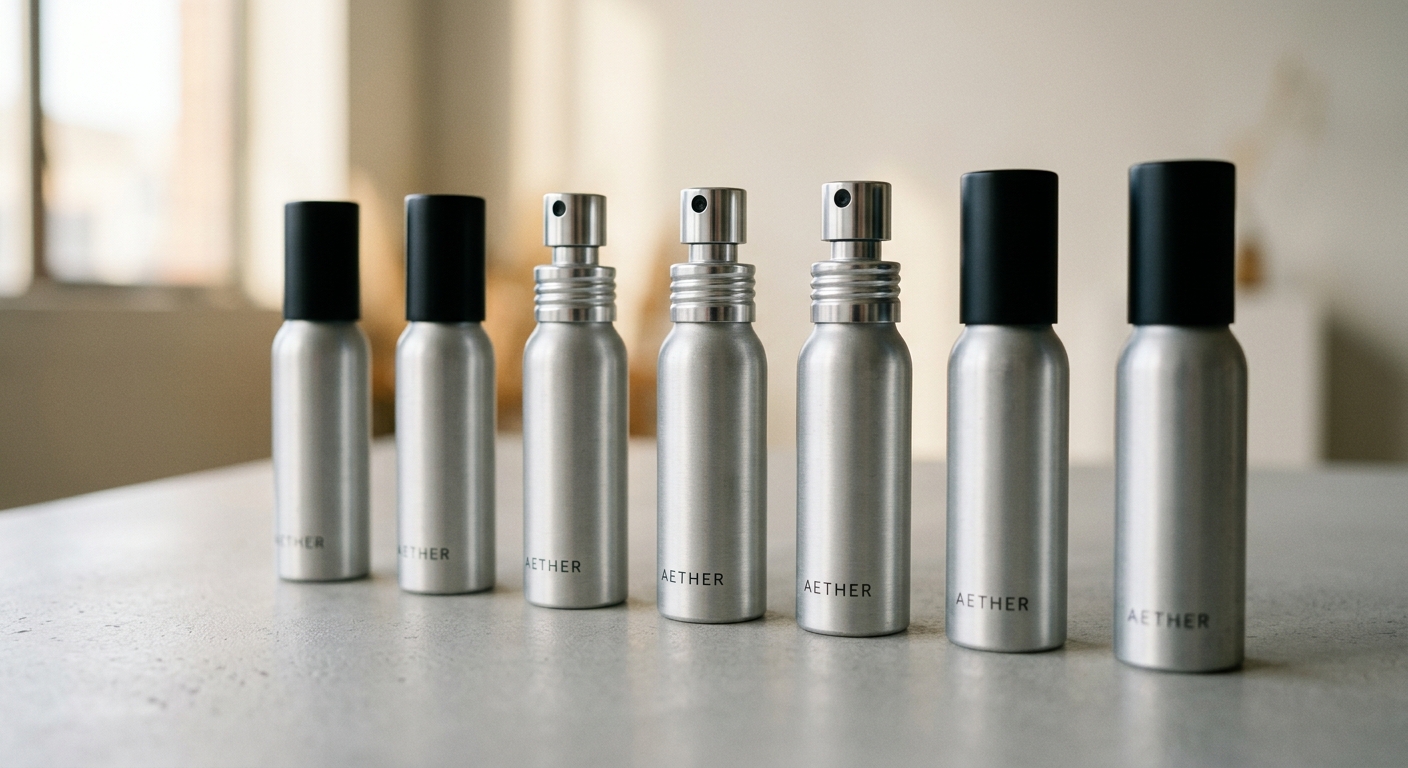
Light exposure breaks down active ingredients faster than almost anything else in a formula’s shelf life — and most spray bottles are transparent or barely tinted. Vitamin C serums, retinol-infused mists, essential-oil blends, and botanical extracts are all photosensitive to some degree. Put them in clear plastic and you’re racing the clock before potency drops.
Aluminum is fully opaque by nature. No light gets through, period. That’s a meaningfully different guarantee than a UV-inhibited plastic resin, which reduces light transmission but doesn’t eliminate it. For brands making stability claims on packaging — ‘95% potency retained after 12 months’ type language — aluminum gives formulators a much stronger baseline to build that claim on. This mirrors the protection argument we’ve made for tubes in our comparison of aluminum vs. plastic tubes — the same physics apply to bottles.
A Real-World Scenario: The Hair Mist Relaunch
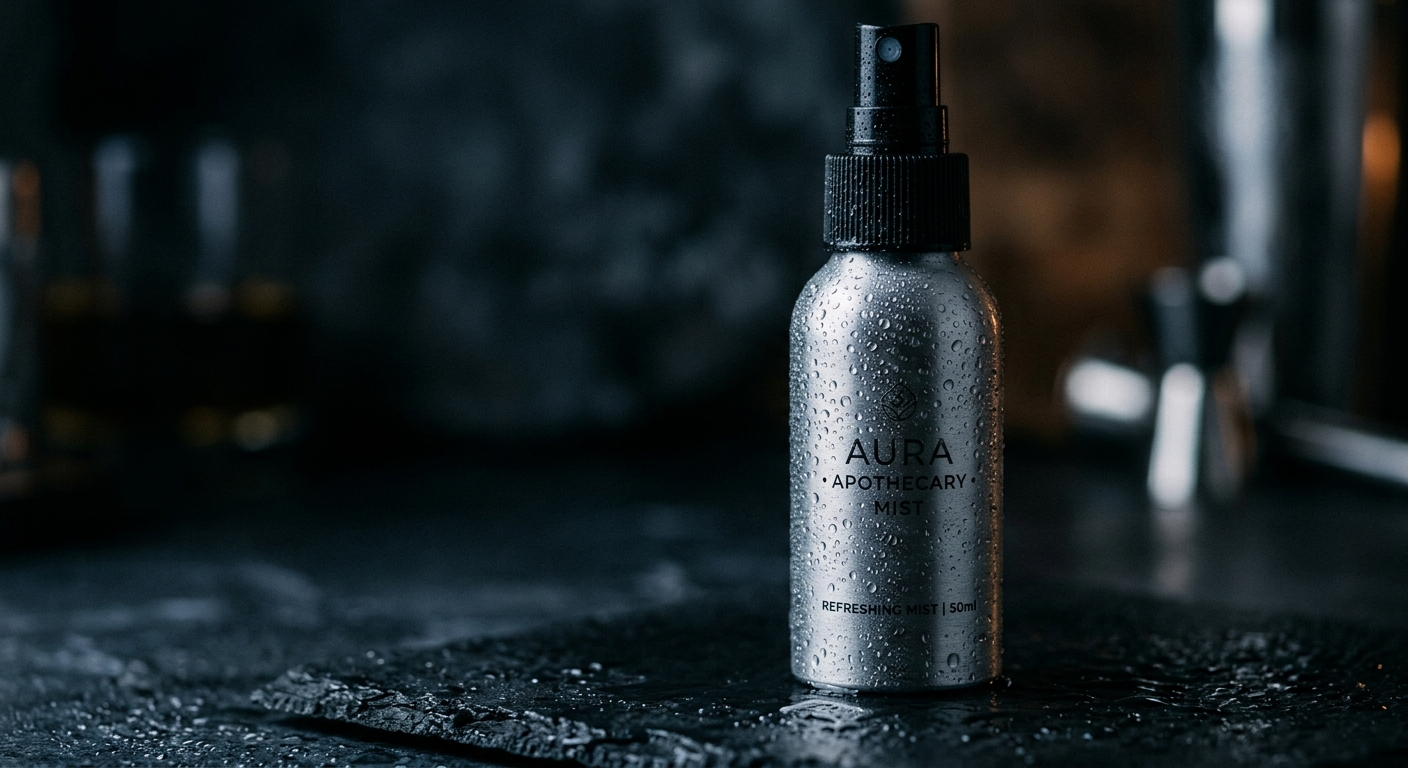
Picture a mid-size personal care brand relaunching a heat-protectant hair mist. The original formula sat in a clear PET bottle and customers complained the product ‘smelled different’ after a few months on the shelf — a telltale sign of oxidized fragrance oils and degraded actives from light and air exposure.
Switching to an aluminum bottle with an internal epoxy lining solved two problems at once: it blocked UV degradation entirely, and the matte aluminum finish photographed better for social content than the old plastic bottle ever did. The brand didn’t change the formula — they changed the container, and the complaints stopped. That’s the kind of quiet win packaging changes deliver, and it rarely gets credited to the bottle.
Where Aluminum Atomizers Make Sense (and Where They Don’t)
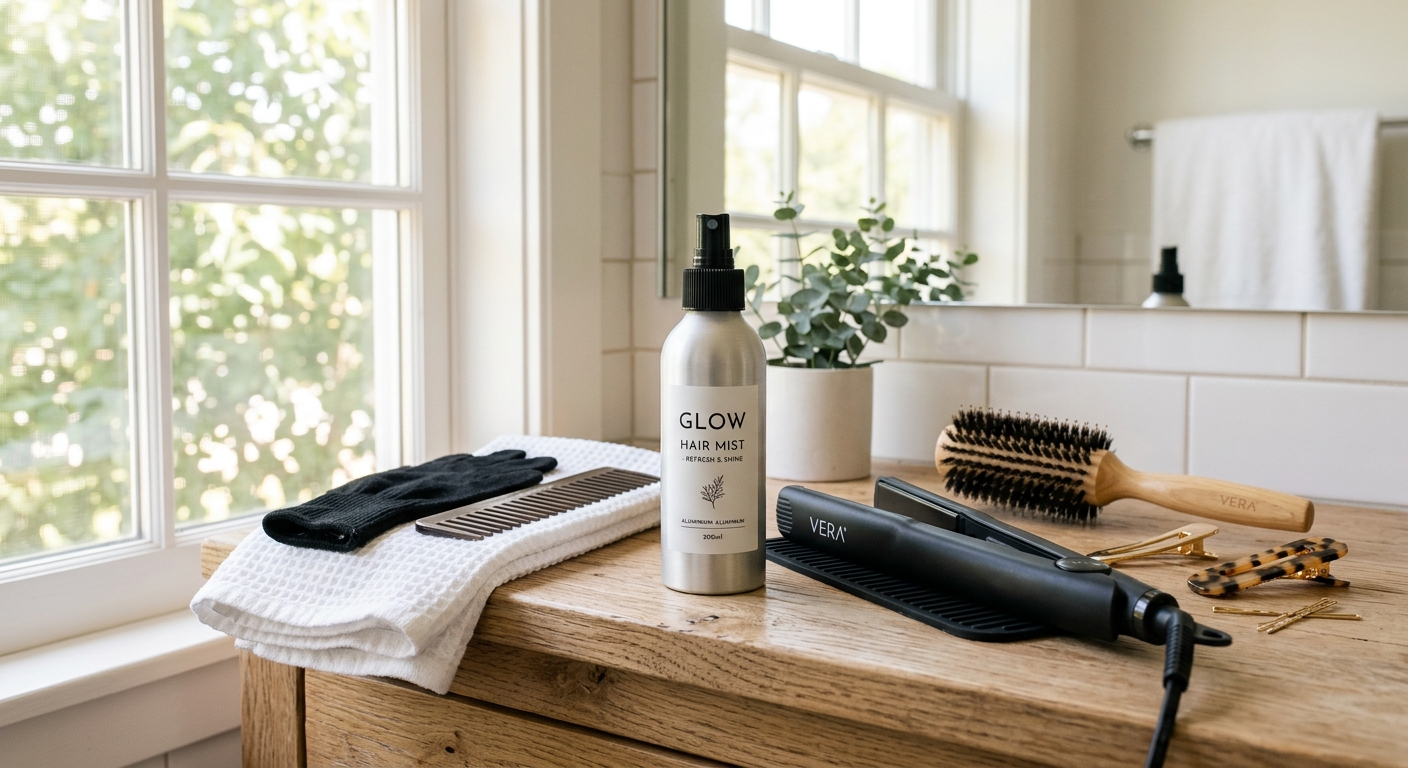
Aluminum bottles aren’t a universal replacement for plastic — let’s not oversell it. They’re the right call when light sensitivity, premium positioning, or sustainability messaging matter to the buyer. They’re the wrong call for ultra-low-cost mass-market SKUs where price per unit is the only variable that matters.
Strong fit
- Facial mists and toners with active ingredients
- Hair oils, serums, and leave-in sprays
- Sanitizing and hygiene sprays needing a premium retail look
- Travel-size personal care sets sold as gifting bundles
Weaker fit
- Very high-viscosity sprays that clog standard atomizer pumps
- Bulk refill formats where cost-per-ml is the primary driver
- Formulas with very high water content and no interior lining — check compatibility first
Customization: What You Can Actually Change
Buyers new to aluminum bottles often assume they’re locked into one shape and finish. Not true. A capable packaging supplier can adjust size, neck finish, spray pump type, surface texture, and decoration method independently.
Size and shape
From 15ml travel atomizers to 100ml+ standard bottles, aluminum can be drawn into cylindrical, oval, or slightly tapered shapes. Custom shapes require tooling investment, so they make more sense at higher order volumes.
Finish and decoration
Anodizing, brushed matte, high-gloss lacquer, and soft-touch coatings are all viable. Printing options include silkscreen, offset, and hot stamping — similar decoration logic to what we cover for custom lip gloss tubes, where finish and print method drive shelf differentiation just as much as shape does.
Closure and pump mechanism
Fine-mist pumps, coarser trigger-style sprayers, and locking caps for travel safety are all compatible with standard aluminum bottle necks — just confirm pump thread compatibility during sampling.
The Sustainability Argument Is Stronger Than People Think
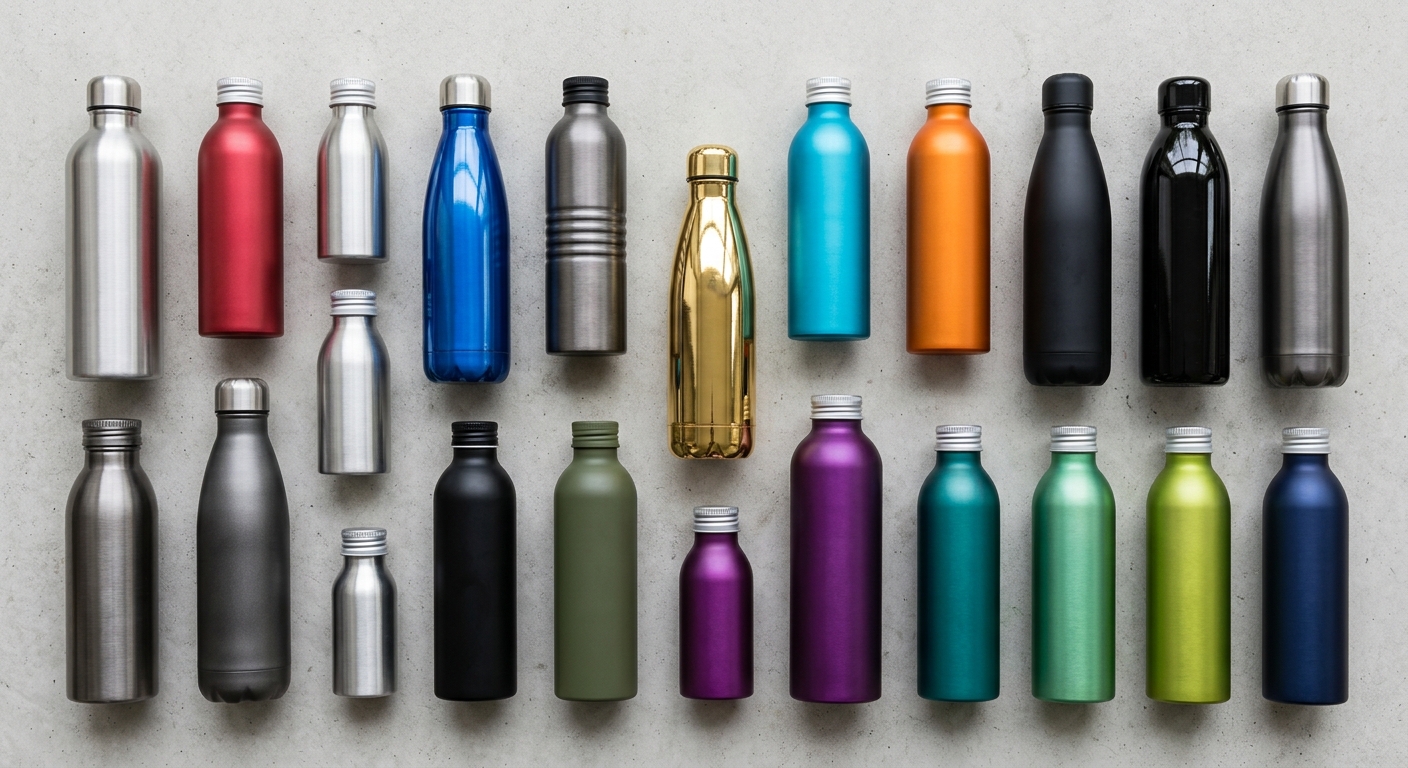
Aluminum has one of the highest scrap values of any packaging material, which means recyclers actually want it — unlike most plastics, which get downcycled or rejected outright depending on local infrastructure. That’s a meaningfully different story to tell customers than a vague ‘recyclable’ claim on a plastic bottle.
We’ve written before about how to separate real sustainability claims from marketing fluff in Sustainable Packaging in 2026: What Actually Works vs. What’s Just Greenwashing, and aluminum consistently comes out on the ‘works’ side of that line. If your brand’s sustainability page already leans on words like ‘infinitely recyclable’ or ‘closed-loop,’ aluminum bottles back that language up with actual material properties, not just intentions. See also sustainable aluminum packaging for cosmetics for the broader material case.
Interior Lining: The Detail That Determines Compatibility
Bare aluminum reacts with high-water, high-acid, or high-alcohol formulas — that’s just chemistry. The fix is a food-grade or cosmetic-grade epoxy or lacquer interior lining, which most reputable manufacturers apply as standard on cosmetic-grade bottles.
Before committing to aluminum for a new spray formula, always request compatibility testing with your actual formula, not a generic sample. A pH-balanced toner and a high-proof alcohol-based sanitizer spray will interact with lining materials very differently. This is the same due-diligence step we recommend in diagnosing leakage issues before a production run — testing early is cheaper than reworking a filled batch.
MOQ and Wholesale Realities for Aluminum Bottles
Aluminum atomizers typically carry a higher per-unit tooling cost than off-the-shelf plastic bottles, which means MOQs tend to run higher for fully custom shapes — but stock or semi-custom bottle bodies with custom printing can often start at much lower volumes. If your brand is testing a new SKU before committing to a full custom mold, that’s the smarter entry point.
For a deeper breakdown of how MOQ tiers actually work with metal packaging suppliers, see MOQ Explained: What Aluminum Tube Suppliers Won’t Tell You About Wholesale Pricing — the same negotiating logic applies whether you’re ordering tubes or bottles.


