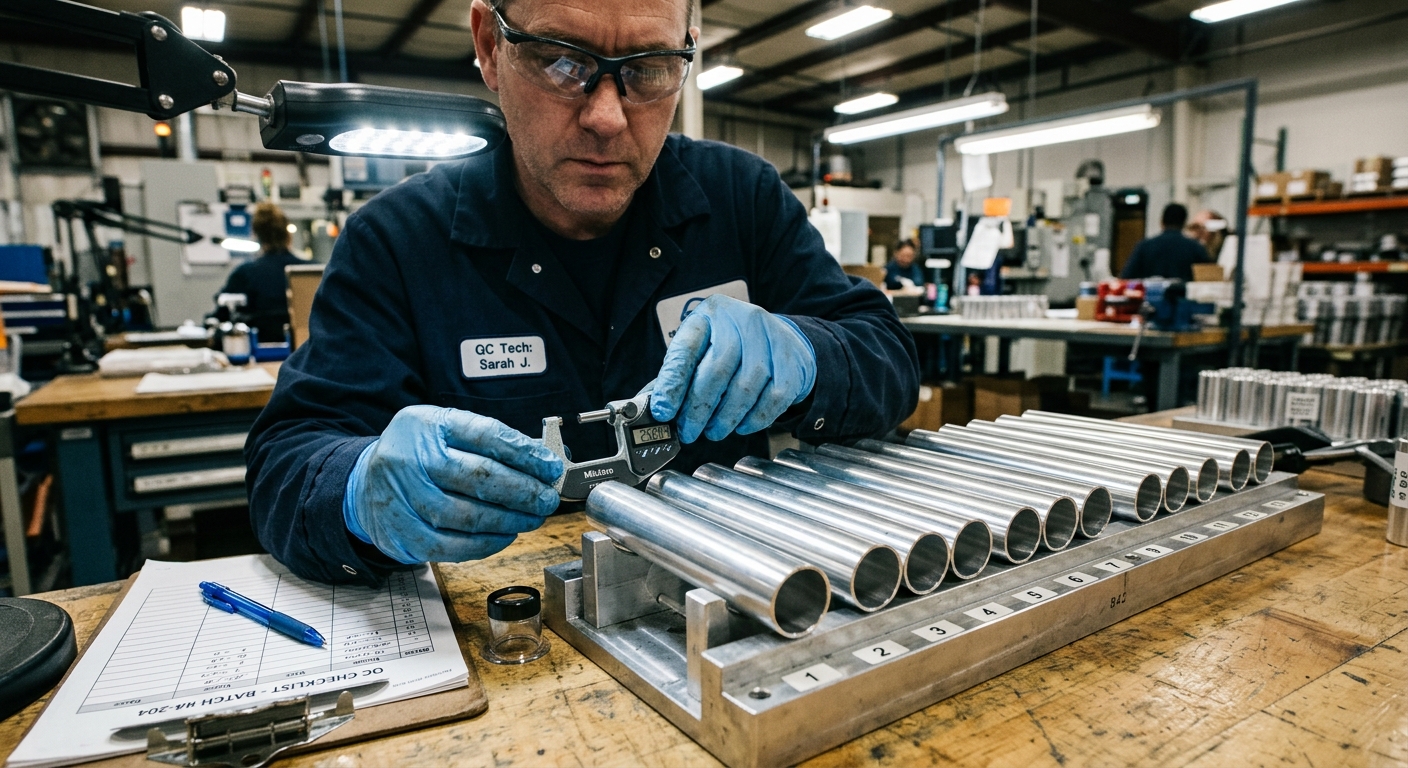
If you’re launching a private label skincare line, aluminum tubes should be the default packaging choice, not a premium upgrade you consider later. They protect light- and oxygen-sensitive actives far better than plastic, they photograph and feel more premium on shelf, and at realistic production volumes they’re often not the cost jump founders assume. The real question isn’t whether aluminum is worth it — it’s whether you can afford to launch without it.
Your Formula Is Probably More Fragile Than You Think
Retinol degrades in light. Vitamin C oxidizes on contact with air. Peptides break down faster than most brands realize once they’re exposed to UV. If your formula includes any of these, plastic packaging is quietly working against you from day one.
Aluminum tubes are essentially opaque and create a near-total oxygen barrier when properly lined internally. That’s not marketing language — it’s why pharmaceutical companies have used aluminum for decades for actives that can’t tolerate degradation. A recent breakdown on aluminum vs. plastic tubes and formula protection shows the difference isn’t marginal — plastic-packed vitamin C serums can lose potency within months, while aluminum-packed versions hold stability significantly longer.
The Cost of Getting This Wrong
Imagine a founder who launches a niacinamide serum in a clear plastic tube because it was cheaper and faster to source. Six months in, customer reviews start mentioning the product ‘doesn’t work like it used to.’ That’s degradation talking — and it’s a returns and reputation problem that costs far more than the packaging would have.
Aluminum Signals Premium Without Extra Design Work
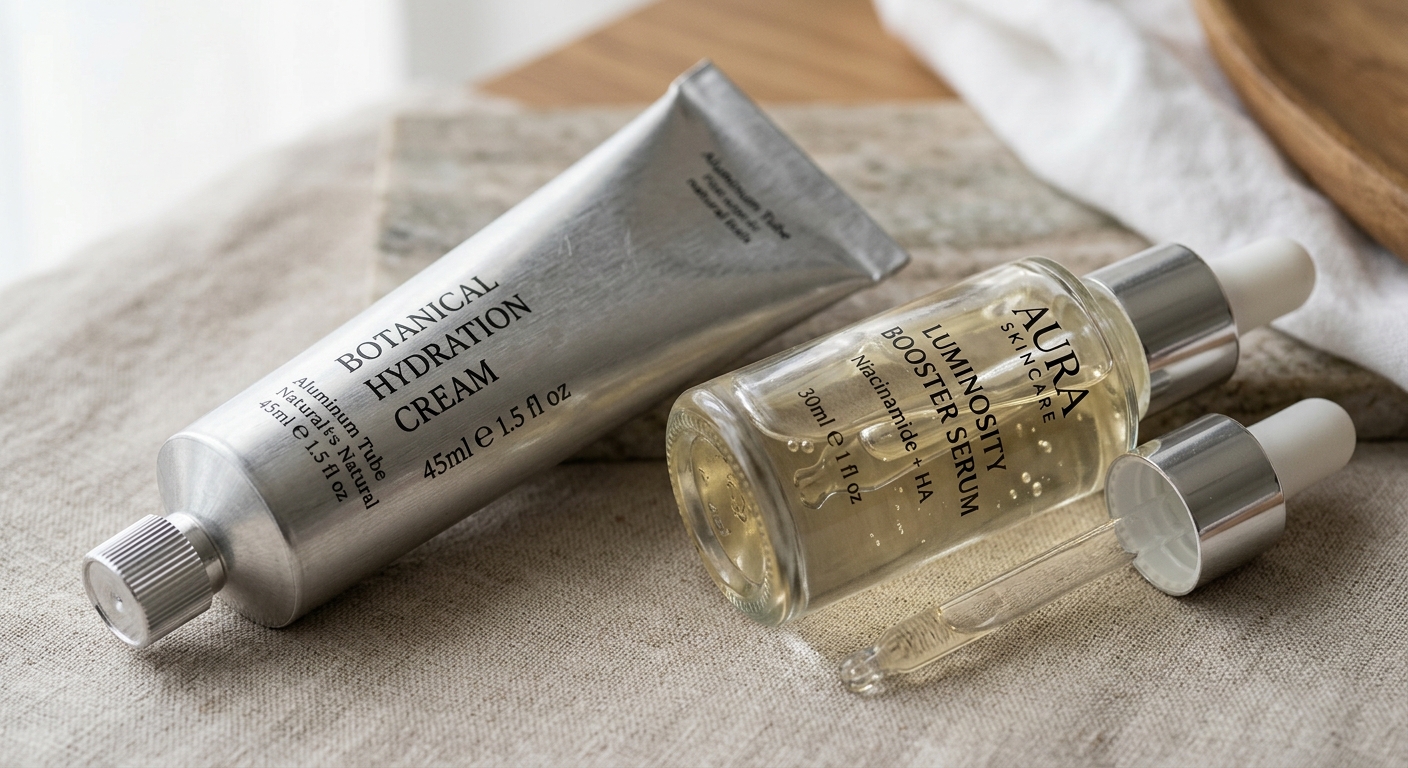
Plastic tubes need heavy decoration — foil stamping, thick labels, glossy coatings — to look expensive. Aluminum tubes start from a premium baseline because of the material itself. That metallic weight and cool touch communicates quality before a customer reads a single word on the label.
This matters enormously for private label brands competing against established names on a marketplace shelf or Instagram feed. You don’t have brand history to lean on yet — the packaging has to do that work. Metal squeeze tubes photograph beautifully under studio lighting, which is exactly where most skincare buying decisions happen now. For more on this effect, see how metal squeeze tubes elevate cosmetic packaging.
The MOQ Math Isn’t as Scary as You Think
Most first-time founders assume aluminum tubes require unrealistic minimum order quantities. That’s outdated thinking. Manufacturers now offer tiered MOQs starting around 5,000 units for custom-printed aluminum tubes — very workable for a first production run if you’ve validated demand.
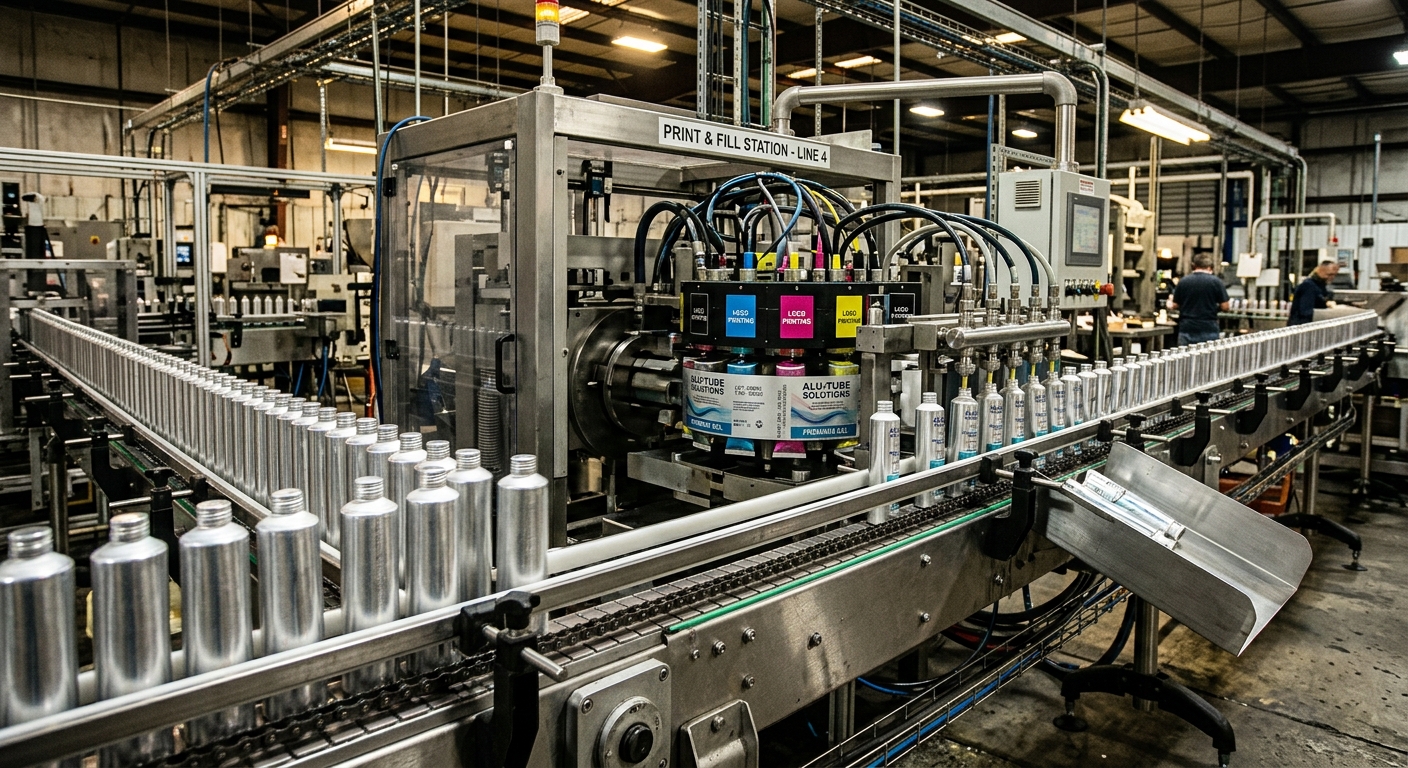
What actually drives cost isn’t the aluminum itself, it’s the printing method and finish complexity. A single-color screen print on a standard tube size is dramatically cheaper than a five-color offset design with custom closures. If budget is tight for launch, start simple and upgrade decoration once sales justify it. The MOQ breakdown on wholesale aluminum tube pricing is worth reading before you request quotes, so you know what’s actually negotiable.
A Practical Example
A private label hand cream brand launching on Amazon might start with 8,000 units in one size and one finish, then diversify into a travel-size SKU once repeat orders confirm demand. That staged approach keeps upfront capital risk low while still getting the aluminum quality advantage from day one.
Aluminum Solves the Squeeze Problem Better Than People Expect
One underrated advantage: aluminum collapsible tubes stay collapsed. Once the product is dispensed, the tube doesn’t spring back and pull in air the way some plastic tubes do — which matters for oxidation-sensitive formulas over the life of the product, not just at first fill.
This is also why toothpaste brands have used the same material logic for generations, and why it’s seeing a resurgence now. If you’re curious how another category solved this exact problem, toothpaste tube packaging’s aluminum comeback covers the mechanics in more depth — the physics translate directly to skincare and hand cream formats.
Sustainability Claims Actually Hold Up With Aluminum
Here’s an uncomfortable truth for skincare brands: most ‘eco-friendly’ plastic packaging claims don’t survive scrutiny. Bioplastics often aren’t recyclable in standard streams, and ‘recycled plastic’ tubes still degrade in recyclability over multiple cycles.
Aluminum is different. It’s infinitely recyclable without quality loss, and it has real scrap value that makes recycling economically viable, not just symbolic. If sustainability is part of your brand story — and for skincare launches in 2026, it increasingly needs to be — aluminum gives you a claim you can actually defend. See the recyclability of aluminum tube containers for the specifics, or check what actually works vs. greenwashing in sustainable packaging before you put anything in writing on your packaging.
What Actually Changes When You Customize an Aluminum Tube
Customization isn’t just print design. Size, closure type, and finish each affect cost, shelf presence, and dispensing behavior differently — and getting them wrong is a common first-time mistake.
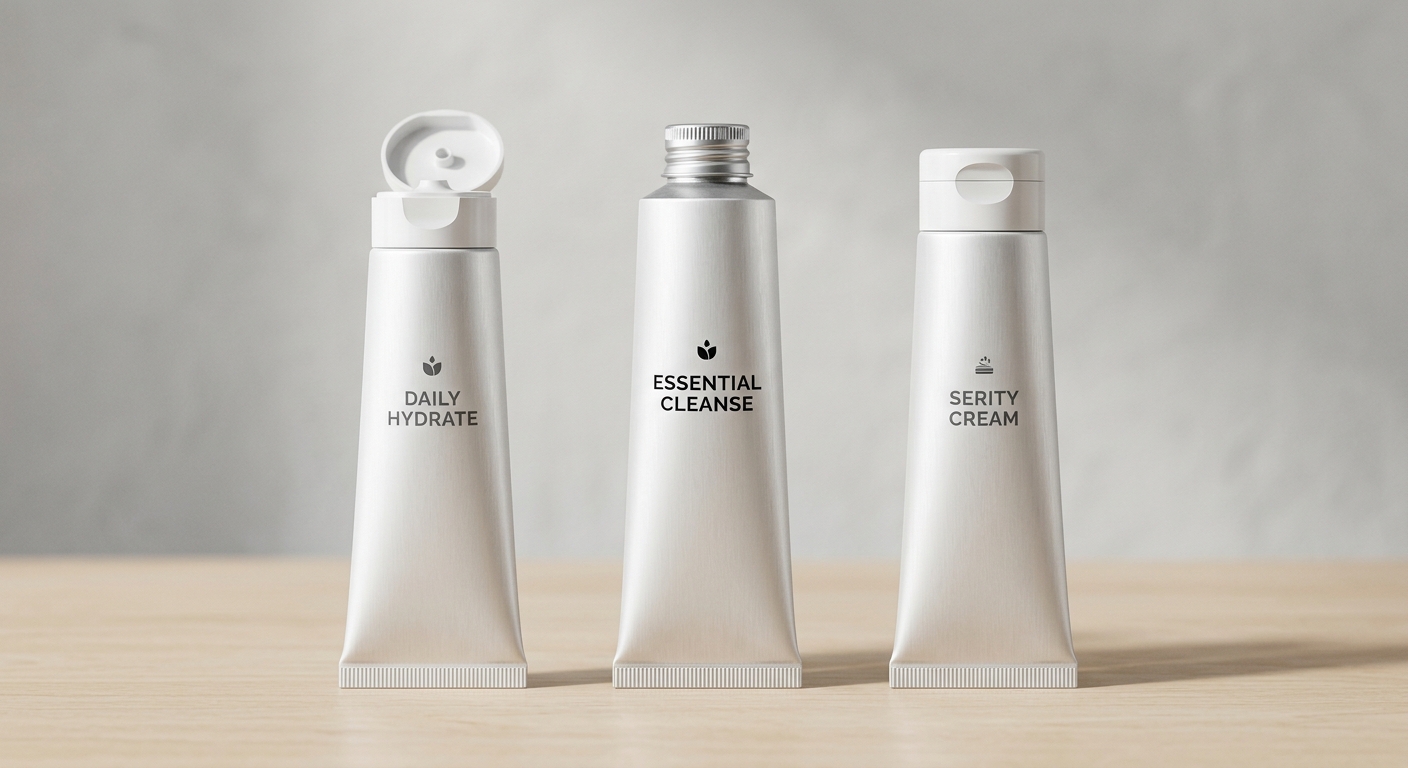
- Size: 30ml–50ml works well for face creams and serums; 75ml–150ml suits hand and body creams.
- Closure: Flip-top caps improve one-handed dispensing; screw caps feel more premium for higher-price-point serums.
- Finish: Matte finishes read as clean and clinical; glossy finishes read as more indulgent. Soft-touch coatings are trending for minimalist skincare branding right now — worth comparing before you commit to tooling. See matte vs. glossy vs. soft-touch finishes for metal tubes.
For a broader sizing and closure walkthrough specific to a related category, the hand cream tube packaging buyer’s guide maps directly onto most skincare tube decisions too.
Choosing a Manufacturer Who Won’t Slow Your Launch Down
The packaging isn’t the risk — a bad supplier relationship is. First-time private label founders lose weeks (sometimes months) to unclear MOQs, vague lead times, and printing proofs that don’t match samples.
Before you sign anything, ask for real production samples, not renderings. Confirm lead times in writing, and ask specifically how they handle leak testing on filled tubes, since leakage issues traced back to production are more common than most buyers expect. A manufacturer who can walk you through their own quality process without hesitation is usually the one worth working with. This is worth reading in full before your next quote request: how to vet a cosmetic tube manufacturer before you sign a contract.