
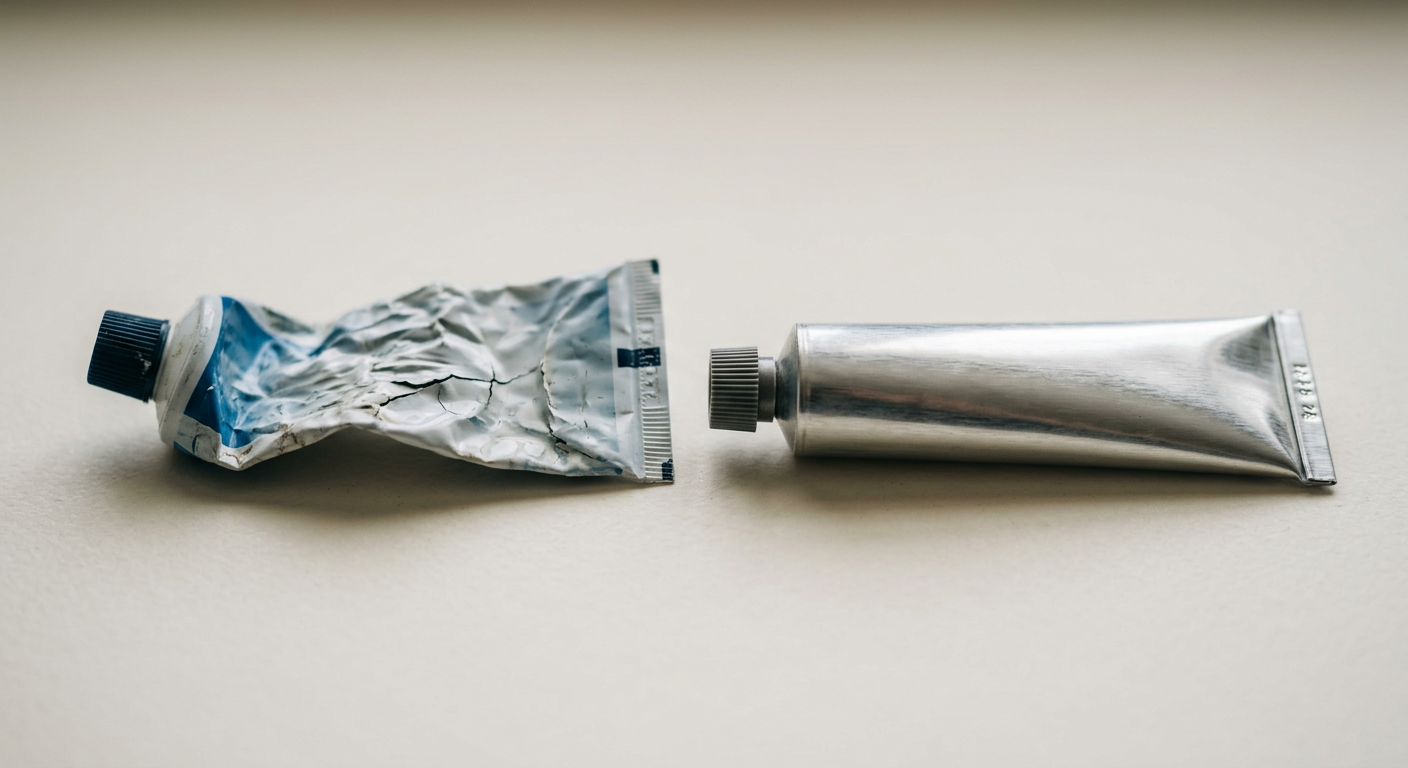
Aluminum is coming back into toothpaste tube packaging because plastic laminate tubes — the industry default since the 1990s — can’t be recycled economically, and both regulators and consumers have run out of patience with that. Oral care brands that switch to aluminum collapsible tubes get a genuine circular-economy claim, better barrier protection for actives like fluoride and essential oils, and a tube that actually stays collapsed instead of springing back and trapping product. It’s not nostalgia. It’s a materials decision driven by waste legislation, retailer pressure, and formula stability.
Why Plastic Laminate Tubes Became a Liability
Here’s the uncomfortable truth about the plastic laminate tube that’s been squeezed onto bathroom sinks for thirty years: almost none of it gets recycled. The typical toothpaste tube is made of five to seven layers — polyethylene, aluminum foil, and adhesive bonded together — which makes it nearly impossible for municipal recycling facilities to separate. Even brands that print a recycling symbol on the box know the tube itself is landfill-bound.
That contradiction has become a real brand risk. Retailers in the EU and increasingly in North America are pushing suppliers toward mono-material packaging, and some are threatening to delist products that can’t demonstrate a recycling pathway. A toothpaste brand claiming to be ‘natural’ or ‘eco-conscious’ while shipping a non-recyclable tube is an easy target for consumer callouts on social media.
The Regulatory Push
Extended Producer Responsibility (EPR) fees in several European markets now charge higher rates for multi-material packaging than for single-material recyclable formats. Aluminum tubes, being mono-material, often qualify for reduced EPR fees — a direct cost incentive on top of the brand reputation angle.
What Aluminum Actually Fixes for Toothpaste Formulas
Toothpaste isn’t just paste in a tube — it’s a chemically active formula with fluoride compounds, essential oils, and sometimes activated charcoal or whitening agents that degrade when exposed to oxygen and light. Aluminum tubes provide a near-total barrier, which plastic laminate simply can’t match over an 18-24 month shelf life.
For instance, a natural oral care brand using clove oil and baking soda in their formula found that after switching from a plastic laminate tube to an aluminum tube, customer complaints about ‘flat’ or ‘off’ flavor after a few months of shelf storage dropped noticeably. Essential oils are volatile — they migrate through plastic layers over time, even with foil lamination. Solid aluminum walls don’t have that problem.
This is the same barrier logic covered in our aluminum vs. plastic tubes formula protection comparison — toothpaste is simply one of the clearest real-world proof points.
The Squeeze-Back Problem Nobody Talks About
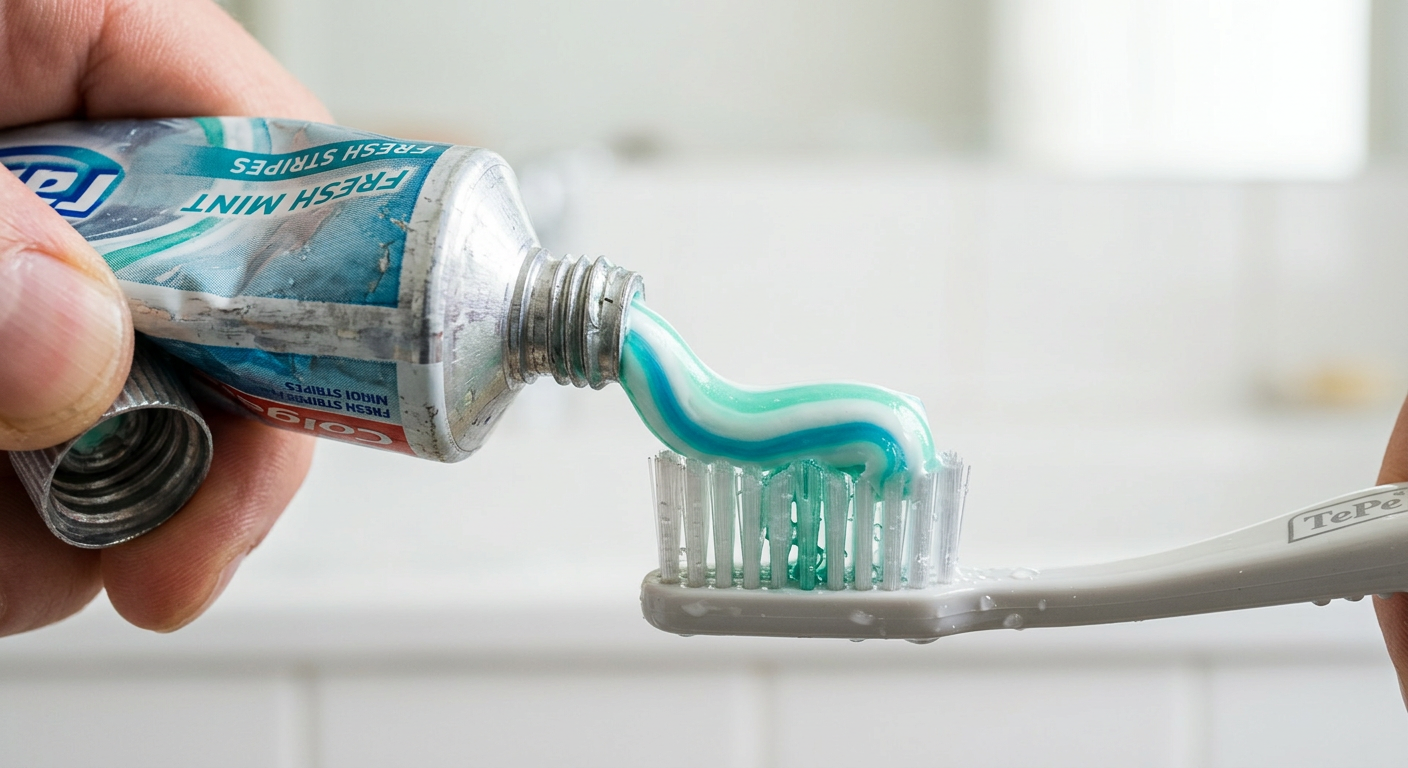
Ask any toothpaste brand’s customer service team what people complain about most, and ‘the tube springs back and I can’t get the last bit out’ comes up constantly. Plastic laminate tubes have memory — they want to return to their original round shape, which traps 10-15% of product inside and creates the maddening rolling-and-squeezing ritual everyone knows.
Aluminum collapsible tubes don’t do that. Once you flatten a section of an aluminum tube, it stays flat. The metal deforms permanently rather than springing back, which means customers use closer to 100% of the product they paid for. That’s not just a satisfaction improvement — it directly affects perceived value and repurchase intent, since nobody likes throwing away a tube that still has product stuck inside it.
Printing, Branding, and Shelf Presence
Metal has a premium feel that plastic can’t fake, and toothpaste brands positioning themselves as clinical, natural, or luxury-adjacent are leaning into that hard. Aluminum tube cosmetic packaging techniques — offset printing, matte or gloss lacquer finishes, embossed logos — translate directly to oral care tubes, giving brands a shelf presence that looks more like a skincare product than a commodity toothpaste.
Finish Options That Work for Oral Care
- Matte white lacquer — the clinical, dental-office look many whitening brands use
- Brushed metal finish — communicates ‘natural minerals’ or ‘charcoal’ positioning
- Full-color offset print — for brands wanting bold, colorful shelf blocking
If you’re weighing finish and printing options more broadly, our guide on choosing the right cosmetic tubes for your brand’s packaging needs covers the same decision tree that applies to toothpaste tubes.

Sustainability Claims That Actually Hold Up
Not every ‘eco-friendly’ packaging claim survives scrutiny — and that’s exactly the trap discussed in our piece on what actually works vs. what’s just greenwashing. Aluminum toothpaste tubes are one of the few claims that holds up under audit, because the recyclability isn’t theoretical. Aluminum is one of the most recycled materials on earth, with recovery rates far higher than mixed plastics, and it retains value in the recycling stream, which is why scrap processors actually want it back.
Compare that to a plastic laminate tube, where even if a facility could theoretically separate the layers, the economics rarely justify doing it. Our deeper breakdown on the recyclability of aluminum tube containers walks through exactly how the recovery process works if your sustainability team needs the technical backup for a claim.
Filling and Production Considerations Toothpaste Brands Overlook
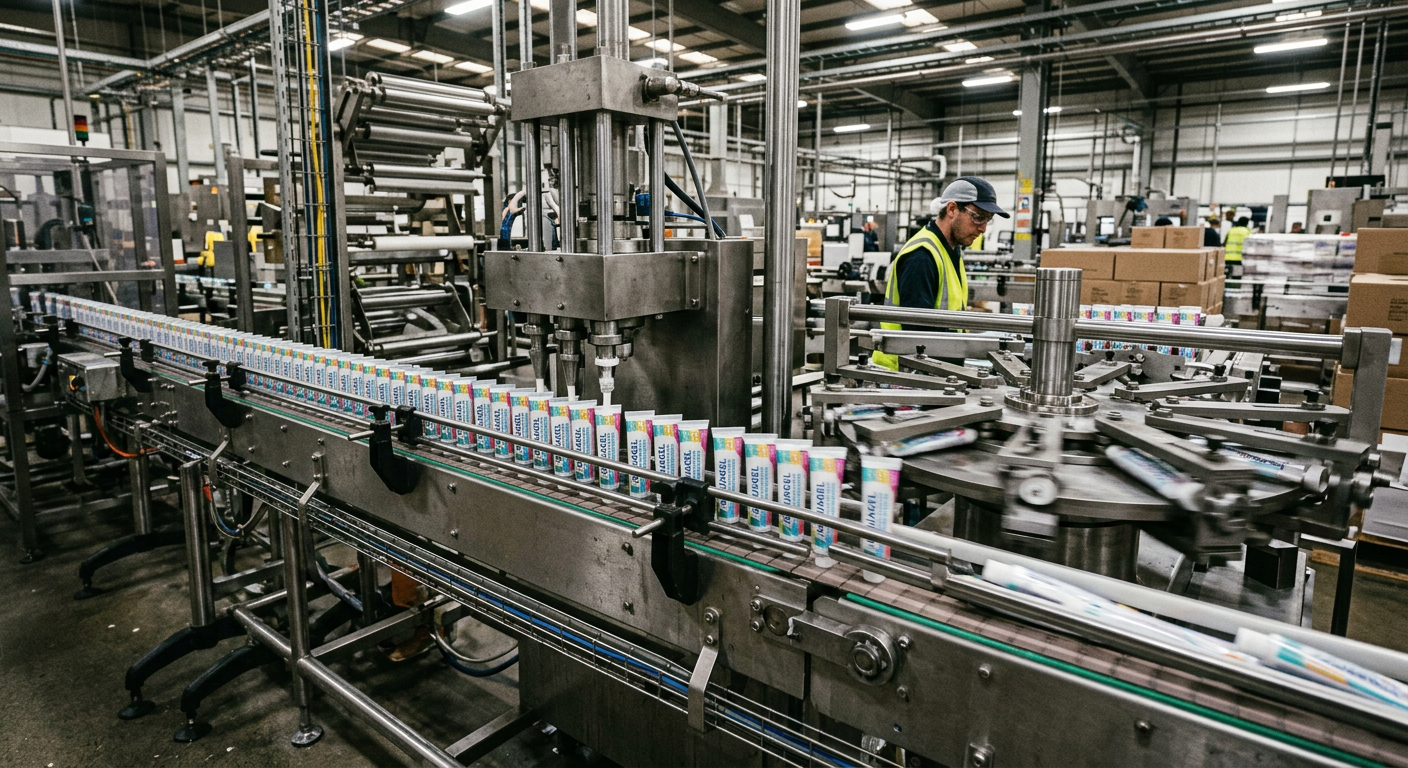
Switching from plastic laminate to aluminum isn’t a drop-in replacement on your filling line — and brands that assume it is usually run into avoidable delays. Aluminum tubes require slightly different sealing parameters (typically heat-sealing or fold-seal at the bottom after filling) compared to the ultrasonic welding common with plastic laminate.
A mid-size natural toothpaste brand switching suppliers mid-year found their existing fill line needed a minor tooling adjustment for tube diameter tolerance — a two-week delay that could have been avoided by confirming tube specs with their manufacturer before the production schedule was locked. This is exactly the kind of gap covered in why packaging lead times keep slipping. Always confirm shoulder diameter, orifice size, and cap thread compatibility before committing to a tube supplier, especially if you’re switching mid-contract.
Leak Prevention on Fold-Sealed Tubes
Fold-sealed aluminum tube bottoms are reliable, but only if the seal width and fold pressure are correctly specified for your paste viscosity. Thicker, gel-based toothpaste formulas need a slightly wider seal fold than standard paste to avoid the leakage issues detailed in why aluminum tubes are leaking — and how to fix it before the next production run.
Where This Fits Beyond Toothpaste
Toothpaste is just the most visible example of a broader shift — the same barrier and sustainability logic is pulling hand creams, ointments, and specialty personal care formulas back toward metal. If you’re evaluating tube packaging across multiple SKUs, it’s worth reading our hand cream tube packaging buyer’s guide alongside this one, since sizing and closure logic overlaps significantly with oral care lines. The broader versatility of the format is also covered in exploring the versatility of aluminum collapsible tubes across industries.
How to Evaluate a Toothpaste Tube Manufacturer
Not every cosmetic tube manufacturer has real experience with oral care fill lines, and that gap shows up fast in seal quality complaints. When vetting a supplier for aluminum toothpaste tubes, ask specifically about:
- Food-and-mouth-contact-grade internal lacquer compatibility with fluoride and flavoring compounds
- Minimum order quantities for your specific tube diameter (typically 19mm-35mm for toothpaste)
- Fold-seal tooling experience for gel versus standard paste viscosity
- Sample turnaround time before committing to a full production run
A reliable custom aluminum tube manufacturer should be able to walk you through all four points without hesitation. If they’re vague on internal lacquer specs, that’s a red flag worth escalating before you sign a purchase order.


