
If your aluminum tubes are leaking, the cause is almost always one of four things: an internal liner that's incompatible with your formula, a poorly executed tail crimp, a closure that doesn't match the orifice tolerance, or a filling temperature that's too high. Fix these four variables and leakage rates typically drop below 0.5% — well within commercial tolerance. Below is a practical, line-by-line breakdown so you can pinpoint your issue before the next run, not after another rejected shipment.
Start With the Liner — It's the Most Overlooked Culprit
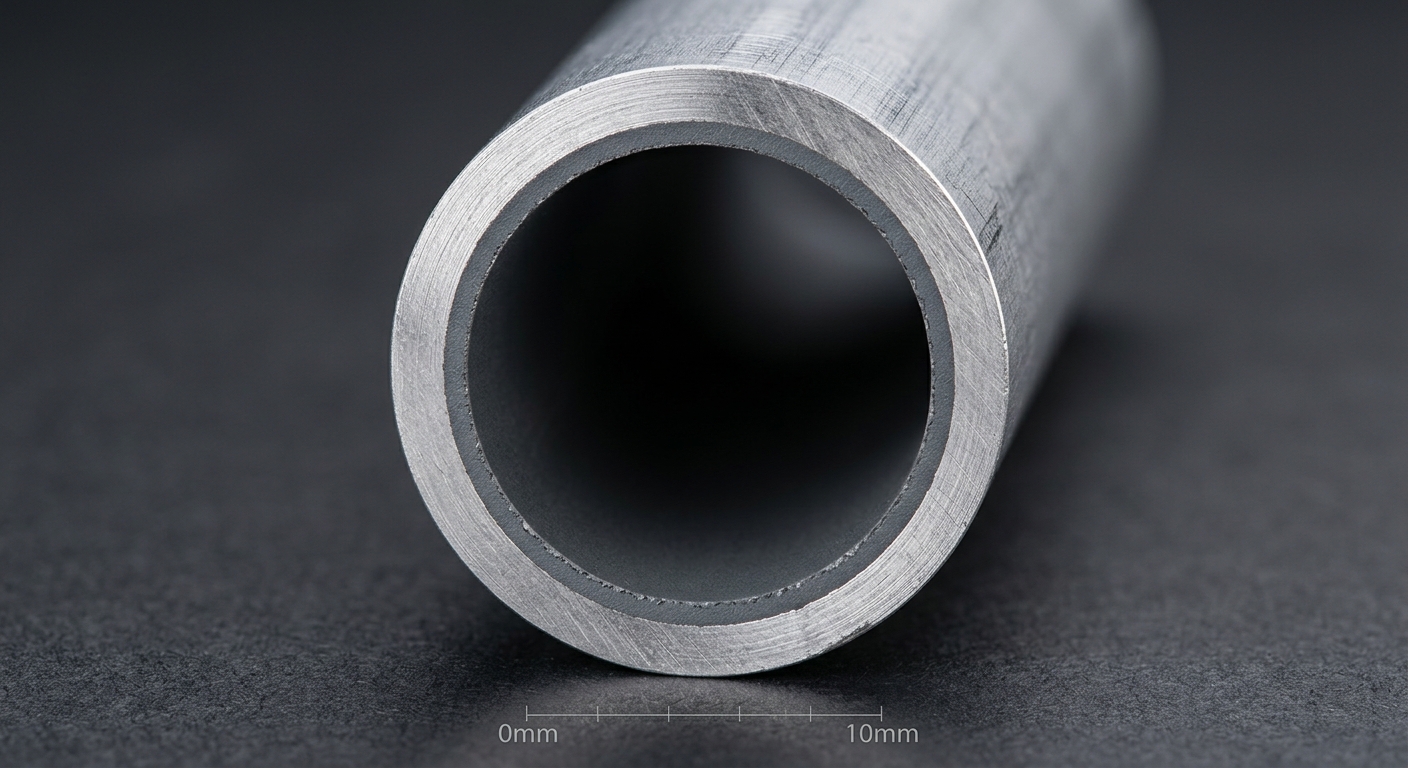
Most leak complaints we troubleshoot don't start at the crimp. They start at the liner. Pure aluminum is reactive, and if the internal coating is wrong for your formula, the metal slowly corrodes from the inside out, creating pinholes weeks or months after filling.
Common liner mismatches
- Epoxy phenolic liner — good for most cosmetics and pharma ointments, but fails with high-pH formulas above 9.
- BPA-NI (BPA non-intent) liners — required for pharmaceutical, oral care, and baby products in EU and US markets.
- Polyethylene (PE) inner coating — best for aggressive formulas like depilatory creams, sulfide-containing toothpaste, or sodium-based actives.
For instance, a skincare brand we worked with kept getting returns on a vitamin C serum tube. The formula was acidic (pH 3.2) and the standard epoxy liner was slowly oxidizing. Switching to a double-coated phenolic-epoxy liner solved it in one production run. If you're unsure which coating fits your chemistry, our breakdown on international regulations and standards for aluminum tube packaging covers compliant liner options by region.
Crimp Quality — The Single Biggest Source of Tail-End Leaks
The tail seal carries 90% of mechanical stress during shipping and use. A weak crimp will leak even if everything else is perfect. The good news: crimp problems show up immediately if you know what to look for.
What a bad crimp looks like
- Wrinkles or folds that don't sit flush — air channels form between the folds.
- Crimp width below 4mm — usually too narrow to hold pressure.
- Asymmetric folds (single fold instead of double or triple) — drastically reduces seal integrity.
- Visible pinholes or cracks along the fold line — usually caused by over-compression.
Crimp specs to lock in with your supplier
For standard cosmetic and pharma applications, you want a double or triple fold, crimp width between 5–7mm, and consistent pressure across the full tail. Ask your custom packaging supplier for the actual crimp jaw spec and a sample test run before bulk production. A 10-tube destructive test (squeeze until burst) tells you everything: if any of them fail at the tail before 4 bar of internal pressure, you have a problem.
Closure and Orifice Tolerance — Where Drip Leaks Hide
If your tubes pass crimp inspection but customers still report “greasy caps” or product seeping at the neck, the closure is to blame. This is more common than people think — especially with flip-top caps and long nozzles.
Three closure issues that cause leaks
- Thread mismatch: Caps from one supplier rarely match shoulders from another. Even a 0.2mm tolerance gap creates a slow weep.
- Missing or wrong gasket: Many low-cost flip-top caps skip the inner liner entirely. For viscous formulas this is fine; for serums and oils it's a disaster.
- Torque too tight or too loose: Recommended capping torque for most aluminum tubes is 6–10 in-lb. Over-torque cracks the shoulder; under-torque leaves the seal incomplete.
One toothpaste brand we supply switched to a longer nozzle for marketing reasons and started seeing leaks at the orifice membrane. The fix wasn't redesigning the tube — it was changing the cap from a standard flip-top to one with an internal sealing lip. For deeper context on matching closures to formula, see our guide to choosing the right cosmetic tubes.
Filling Temperature — The Silent Killer of Tube Integrity
Aluminum is dimensionally stable at room temperature but starts to deform under thermal stress combined with internal pressure. If you're hot-filling above 50°C, the metal walls relax slightly, the crimp loosens as the product cools, and you get a tube that passed QC at the factory but leaks in the warehouse two weeks later.
Safe filling windows
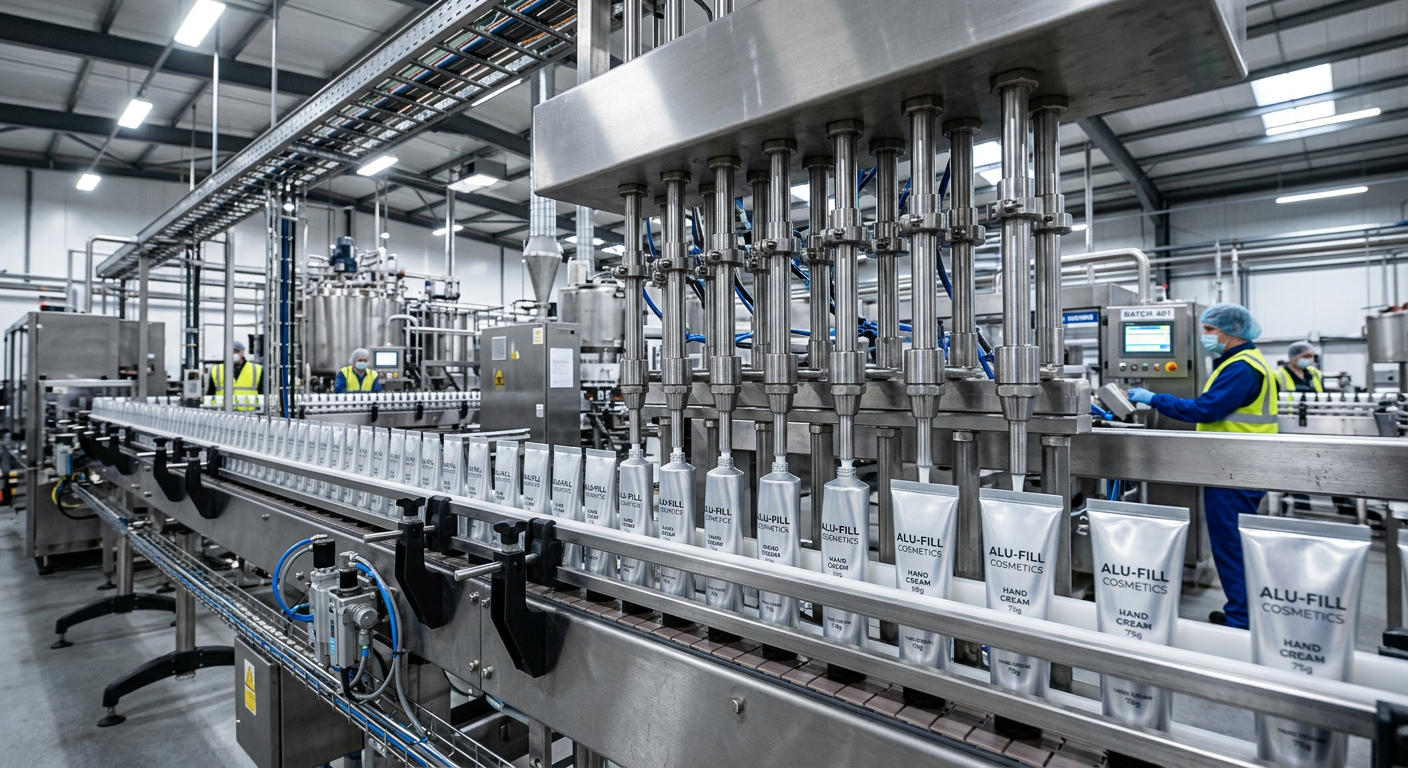
- Cosmetic creams and lotions: Fill at 25–35°C. Allow at least 4 hours of cooling before palletizing.
- Toothpaste and pharma ointments: 30–40°C maximum, with controlled cooling.
- Hot-fill products (lip balms, salves): Use thicker-walled tubes (0.15mm minimum) and a slower filling line speed to allow the tube to absorb heat without warping.
One contract manufacturer we worked with was hot-filling a body butter at 65°C straight off the cooker. The tubes looked fine at packaging but 8% of them leaked at the crimp within three weeks. Dropping fill temp to 38°C — and adding a 6-hour ambient cooling stage — cut returns to under 0.3%.
Wall Thickness and Tube Material Grade — Don't Cheap Out Here
Cheaper tubes use thinner aluminum (sometimes as low as 0.10mm) and lower-purity alloys. They look identical to higher-grade tubes on the shelf, but they puncture, pinhole, and split far more often during filling and transport.
What to ask for
- Aluminum purity: 99.7% or higher for pharmaceutical and food-contact applications.
- Wall thickness: 0.12–0.15mm for cosmetics; 0.15–0.20mm for toothpaste and ointments; up to 0.25mm for industrial adhesives.
- Shoulder thickness: Often overlooked — should be at least 1.5x the body wall thickness to prevent stress fractures near the neck.
If you're sourcing wholesale, push your supplier for the actual aluminum certificate (mill certificate) rather than relying on a spec sheet. We cover the broader trade-offs in aluminum vs. plastic tubes for formula protection — for high-value formulas, the extra cost of premium aluminum pays back fast in lower return rates.
Storage and Transport — Leaks That Happen After Production
Not all leaks are manufacturing defects. Some are caused by what happens after the tubes leave your supplier. Temperature swings, stacking pressure, and humidity all contribute.
Common post-production failure modes
- Stacking too high: Cartons stacked more than 6 high crush the tubes at the bottom, deforming the crimp.
- Temperature cycling: Containers going through 50°C heat then 10°C cold cause the air inside the tube to expand and contract, slowly working open weak seals.
- Humidity: If the external printing or lacquer is compromised, moisture can corrode the aluminum from the outside in, creating pinholes.
If you ship internationally, specify reinforced corrugated cartons with internal dividers, and limit stacking to 5 cartons high. For sensitive formulas, request a desiccant pack in the master carton.
How to Run a Pre-Production Leak Audit
Before signing off on a production run, do this checklist. It takes maybe 30 minutes and prevents 95% of the leak issues we see.
The 7-point pre-production check
- Confirm liner type matches formula pH and active ingredients (request COA).
- Pull 20 random tubes from the lot and inspect crimps under magnification.
- Pressure-test 10 tubes to burst — record failure point and location.
- Verify cap torque on 10 filled tubes against spec.
- Run a 24-hour inversion test (filled tubes capped, stored upside down).
- Run a thermal cycle test: 24 hours at 40°C, then 24 hours at 5°C, check for leakage.
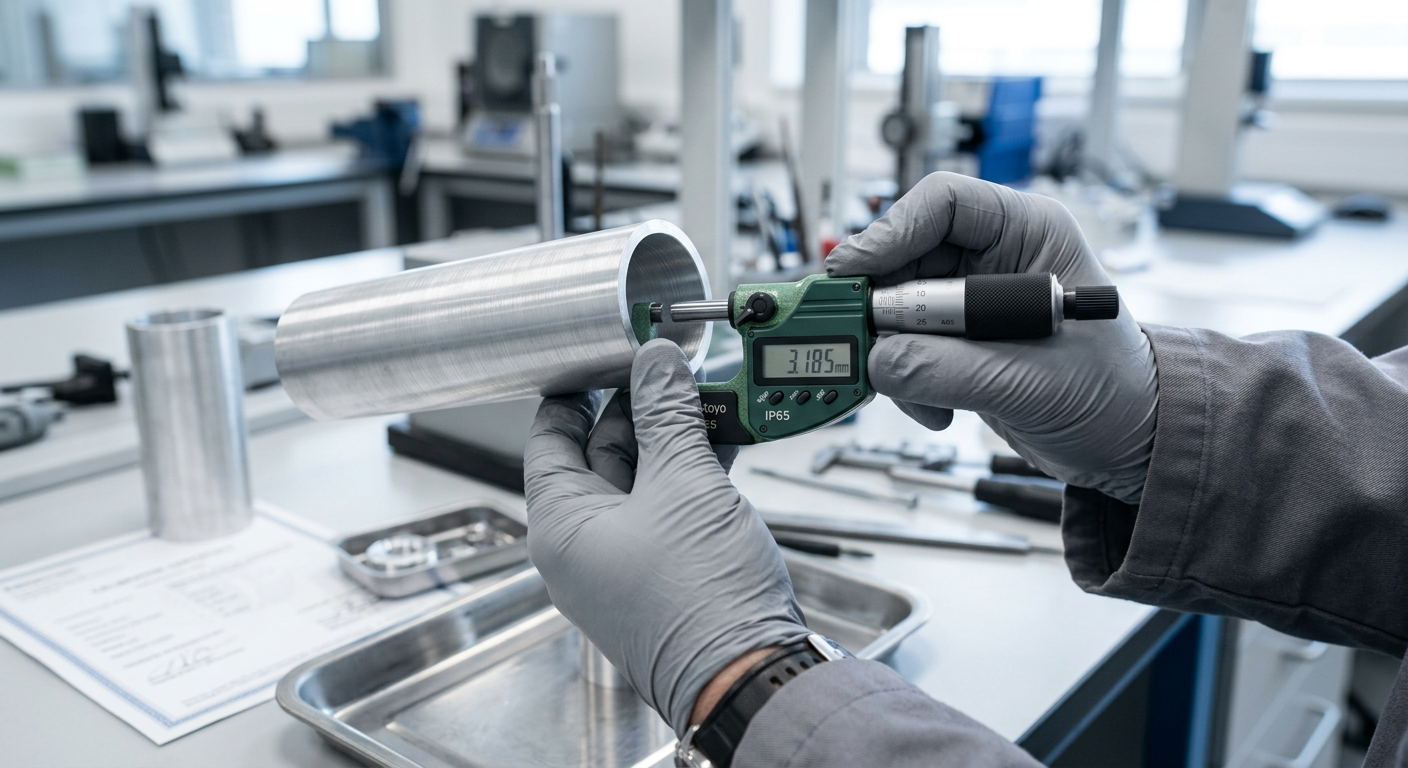
- Confirm wall and shoulder thickness with a micrometer on 5 random samples.
If any test fails, fix it before scaling. The cost of a 5,000-unit recall is 50x the cost of a pre-production audit. For brands working with us, we run this audit as part of every custom packaging order — it's why our average leak rate stays under 0.3%.
When to Walk Away From Your Current Supplier
Sometimes the problem isn't fixable on your end. If you've changed liners, adjusted crimps, swapped caps, and still see leakage above 1%, your supplier's process control is the issue. Red flags include: no mill certificate available, no destructive testing on incoming aluminum, crimp jaws that haven't been calibrated in over a year, and no documented SOP for fill temperature.
A reliable aluminum tube manufacturer will share quality documentation, run pre-production samples, and offer a corrective action report when issues arise. If yours doesn't, you're not paying for quality — you're paying for risk.
Stop Leakage Before It Costs You the Next Order
Leaking aluminum tubes are almost never random. They're the predictable result of a process gap — wrong liner, weak crimp, mismatched closure, hot fill, thin wall, or bad transport. Fix the inputs and the output stabilizes fast. Most brands we work with see leak rates drop by 80% within one production cycle after running through the checklist above.
If you're planning your next run and want a second opinion on tube specs, liner compatibility, or crimp tolerance, send us your formula details and current tube spec. We'll review it against our quality protocol and flag anything that's likely to cause leakage — before you commit to the order.


