
If you’re choosing between matte, glossy, and soft-touch finishes for your aluminum cosmetic tubes, here’s the short answer: matte suits minimalist, ingredient-forward skincare brands; glossy works best when you need bold color and high-shine shelf impact; soft-touch is the premium choice when you want customers to physically feel the difference the moment they pick up the tube. Each finish changes not just how the tube looks under store lighting, but how it photographs on Instagram, how it feels in a customer’s hand, and how much it costs per unit. Get this decision wrong and you’ll either underwhelm a premium product or overspend on a finish your customer never notices.
Why Finish Matters More Than Most Brands Realize
Here’s a mistake we see constantly: brands spend weeks perfecting their tube shape, cap style, and print design — then treat the surface finish as an afterthought. Big error. The finish is the first thing a customer’s hand touches, often before they’ve even read the label.
Finish affects three things simultaneously: perceived value, print clarity, and durability under handling. A $40 retail hand cream in a glossy tube can look cheap next to competitors, while the exact same formula in a soft-touch tube reads as premium — same aluminum, same print, different tactile signal. This is packaging psychology at work, and it’s not subtle once you start noticing it on shelf.
For a deeper look at how packaging choices influence buying decisions, see The Art of Cosmetic Packaging Psychology.
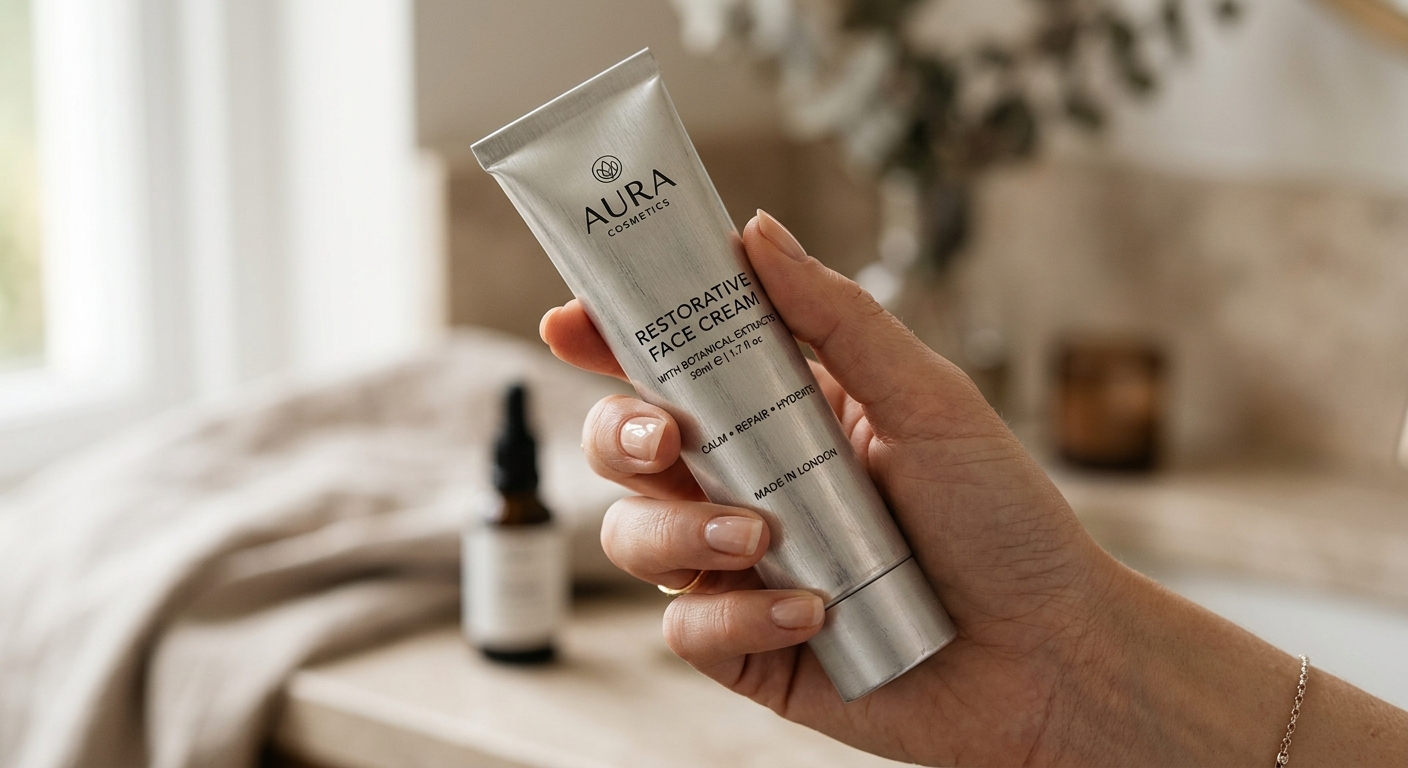
Matte Finish: The Minimalist’s Default
Matte is the go-to for skincare and clean-beauty brands, and there’s a practical reason beyond aesthetics: it hides fingerprints and micro-scratches far better than glossy surfaces. If your product gets handled a lot at retail — think testers, counter displays — matte holds up visually longer than gloss.
Where matte falls short
Matte doesn’t do bold color well. Deep reds and saturated brand colors look muted under a matte coating, which is fine for a botanical skincare line but a problem for a punchy, Gen-Z-targeted lip product. If vibrant color is core to your brand identity, matte will fight against you.
Cost-wise, matte typically adds only 5-10% over a standard uncoated aluminum surface — one of the more affordable upgrades in aluminum tube packaging.
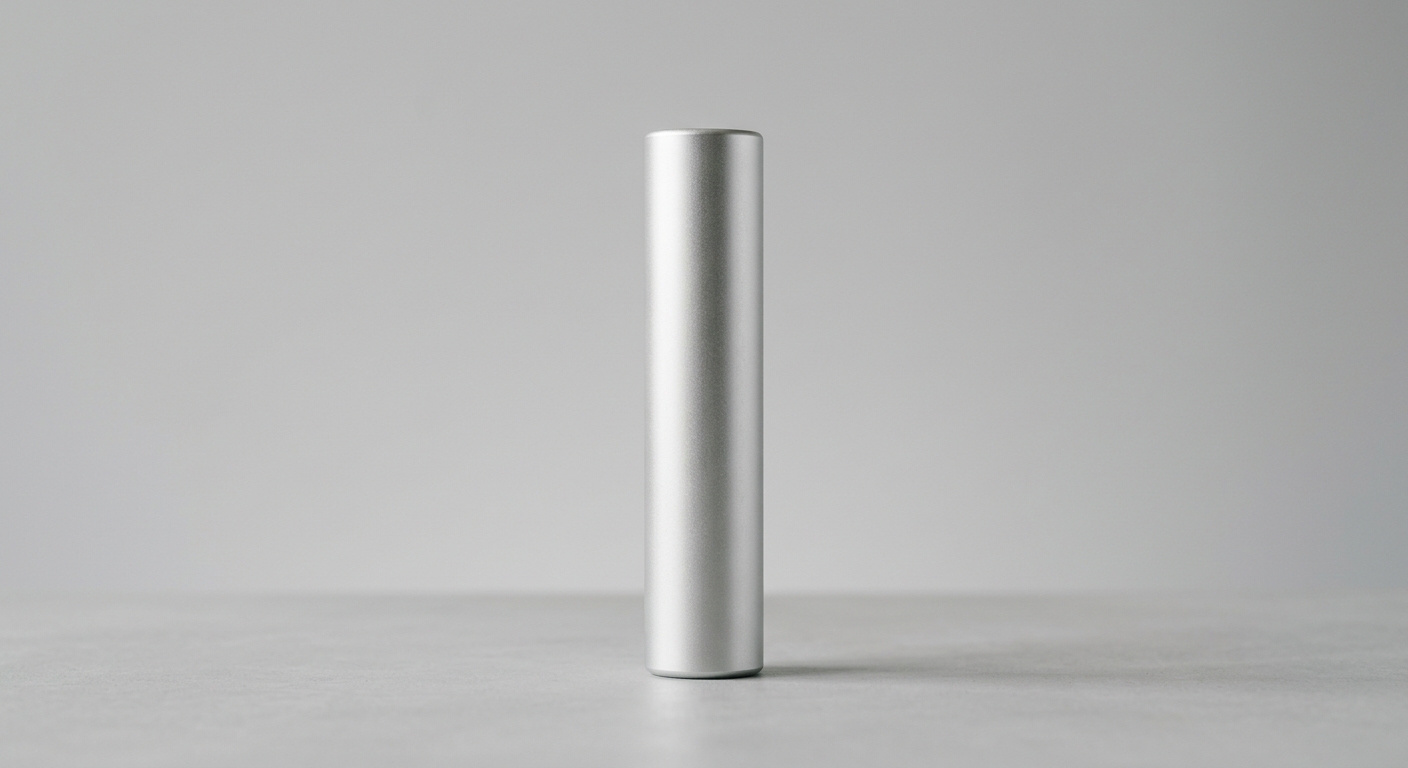
Glossy Finish: When You Want Shelf Presence
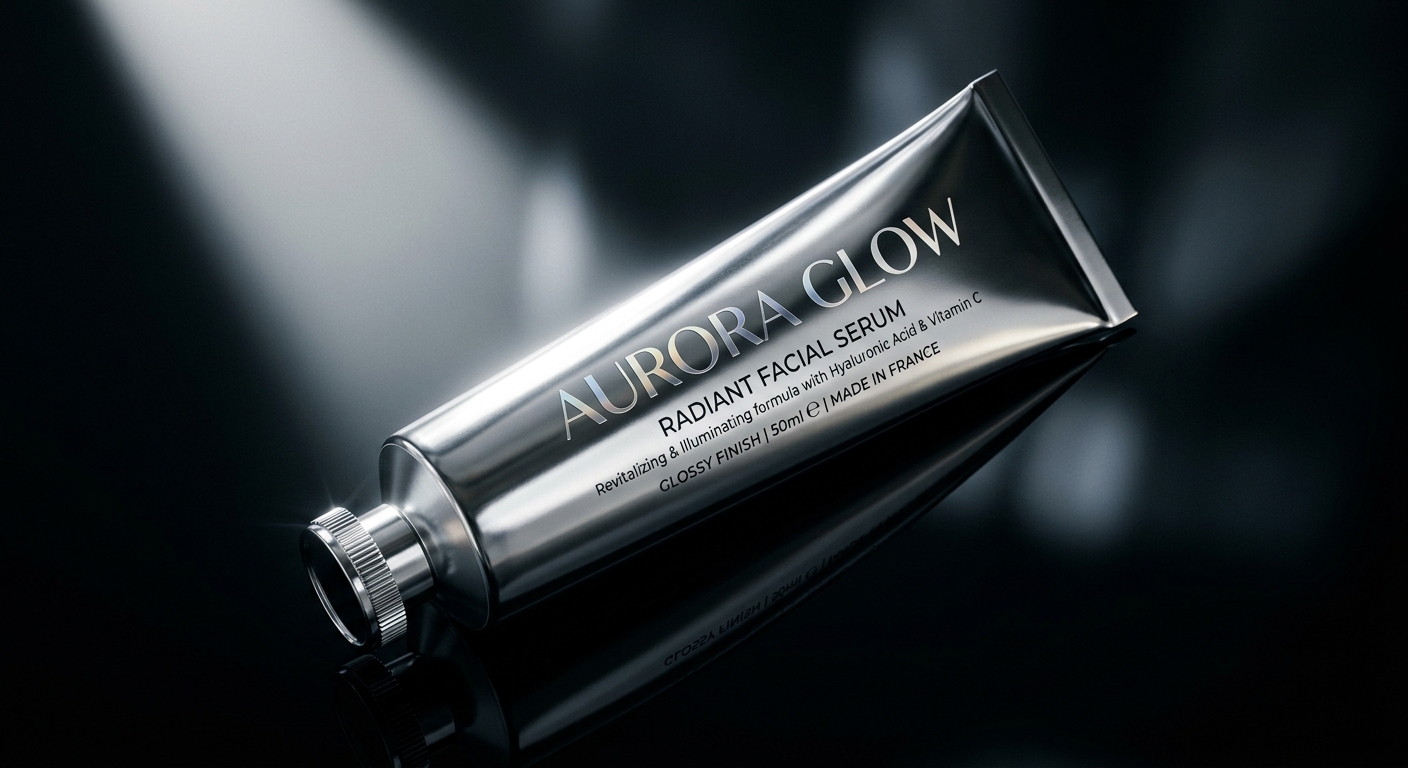
Glossy finishes exist for one reason: maximum visual impact. If your tube needs to pop under fluorescent retail lighting or compete against a wall of color cosmetics, glossy wins on raw shelf visibility every time.
The trade-off is durability of appearance, not structural durability. A glossy tube is just as strong as a matte one — aluminum is aluminum — but every fingerprint, scuff, and minor scratch shows up immediately on a reflective surface. For a limited-run seasonal lip gloss that sells out in weeks, that’s a non-issue. For a hand cream tube that sits on a bathroom counter for months, it becomes a real problem.
Real-world example
A color cosmetics brand we’ve seen in the market ran a holiday lip gloss collection in high-gloss aluminum tubes with metallic gradient printing — the shine amplified the gradient effect and drove strong unboxing content on social media. Same design in matte would have looked flat by comparison. Check out our guide on custom lip gloss tubes for more on this category.
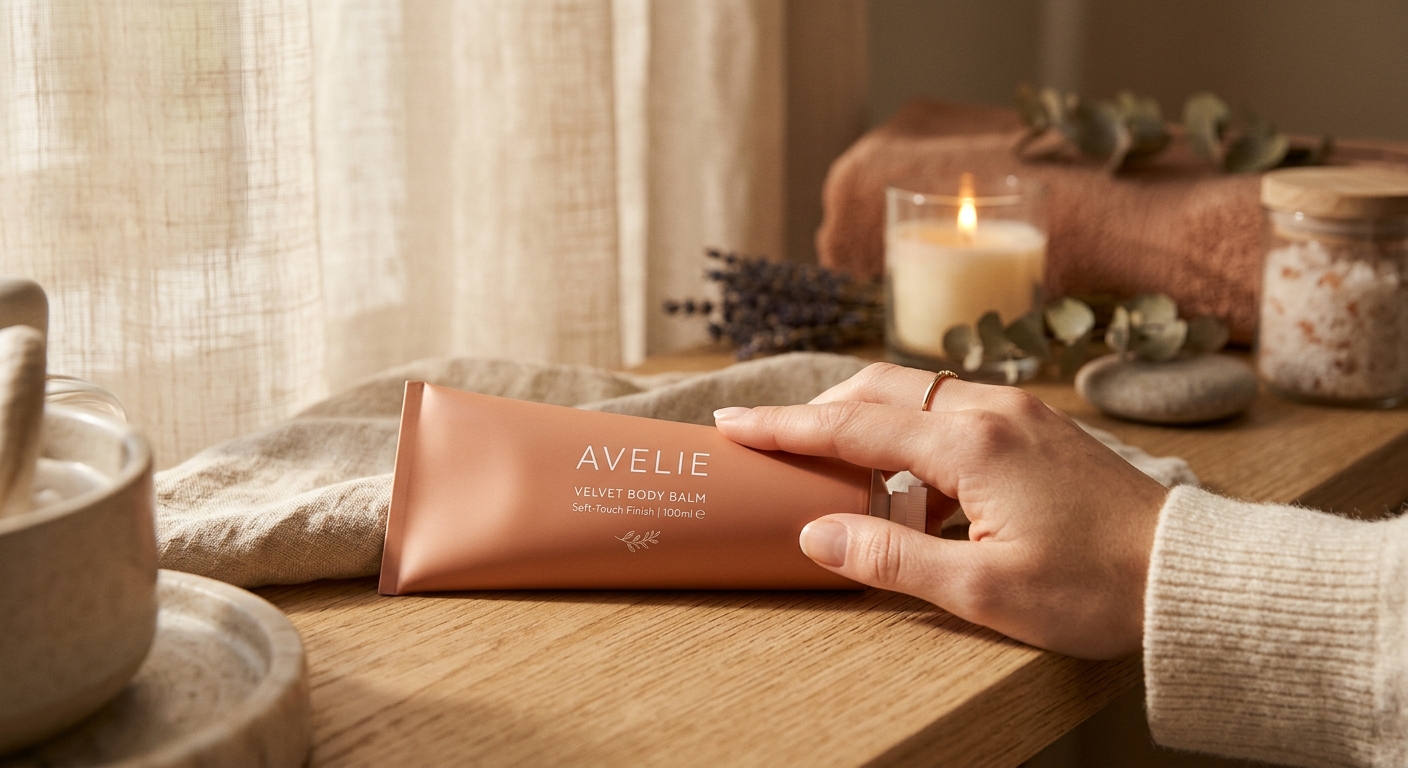
Soft-Touch Finish: The Premium Tactile Upgrade
Soft-touch coating is the finish people describe as ‘feeling expensive’ before they even open the tube. It’s a rubberized or velvet-like coating applied over the aluminum, and it does two things well: it kills fingerprints almost entirely, and it creates a memorable physical sensation that plastic packaging simply can’t replicate.
It costs more — typically 15-25% above a standard finish — and adds 1-2 weeks to production lead time because the coating requires a separate curing process. That’s worth knowing if you’re planning around procurement timelines for a Q4 launch.
Best applications
- Luxury hand creams and body butters positioned above $30 retail
- Premium lip balm and lip gloss lines targeting gifting occasions
- Spa and wellness brands where tactile experience is part of the brand story
See our hand cream tube packaging buyer’s guide for sizing and closure pairing recommendations that work well alongside soft-touch coating.
Full Comparison: Matte vs. Glossy vs. Soft-Touch
Here’s the side-by-side breakdown procurement teams actually need when weighing cost against brand impact.
| Criteria | Matte | Glossy | Soft-Touch |
|---|---|---|---|
| Visual impression | Minimal, premium, muted | Bold, vibrant, high-shine | Warm, tactile, modern |
| Fingerprint visibility | Low | High | Very low |
| Cost vs. standard finish | +5-10% | Baseline | +15-25% |
| Print/color vibrancy | Muted, subtle | Excellent, saturated | Good, softened edges |
| Scratch resistance | Moderate | Low-moderate (shows scratches) | Moderate-high |
| Best for | Skincare, minimalist brands | Color cosmetics, bold branding | Luxury hand cream, premium lip products |
| Production lead time | Standard | Standard | +1-2 weeks typically |
How Finish Interacts With Printing Method
Here’s something suppliers don’t always mention upfront: your finish choice limits or expands your printing options. Offset printing on glossy aluminum produces the sharpest, most vibrant results — it’s why cosmetics brands chasing color accuracy often default to gloss. Matte surfaces slightly soften ink saturation, which actually works in favor of pastel and earth-tone palettes common in clean beauty.
Soft-touch coatings are trickier. Because the coating sits on top of the metal, fine detail and small text can lose crispness compared to printing directly on bare or lacquered aluminum. If your design relies on tiny ingredient lists or fine linework, discuss proofing samples with your manufacturer before committing.
For a full breakdown of printing techniques and their compatibility with different finishes, read Offset, Screen, or Digital: Choosing the Right Printing Method for Aluminum Tubes.
Sustainability: Does Finish Affect Recyclability?
Short answer: barely, but not zero. Aluminum tubes remain recyclable regardless of matte, glossy, or soft-touch coating — the base metal recycling stream isn’t disrupted by a thin surface treatment. However, soft-touch coatings use more polymer material per unit than a simple matte or gloss lacquer, which matters if you’re marketing sustainability credentials heavily.
If eco-messaging is central to your brand, matte or standard gloss with water-based lacquer is the cleaner story to tell. Learn more in Recyclability of Aluminum Tube Containers for Packaging and our related piece, Sustainable Packaging in 2026: What Actually Works vs. What’s Just Greenwashing.
Making the Final Call: A Quick Decision Framework
Ask yourself three questions before locking in a finish:
- Will this product sit on a shelf for months, or sell fast in limited runs? Long shelf life favors matte or soft-touch; fast-selling seasonal items can afford glossy’s scuff sensitivity.
- What’s my price point? Under $15 retail, glossy or matte keeps margins healthy. Above $25, soft-touch’s cost premium pays for itself in perceived value.
- Does my brand rely on bold color or muted tone? Color-forward brands lean glossy; ingredient-led, minimalist brands lean matte.
There’s no universally ‘best’ finish — only the right one for your product, price point, and customer expectations. If you’re still weighing material choice more broadly, our guide on How to Choose the Right Packaging Material for Your Product is a useful companion read.


