
An aluminum tube destined for antibiotic ointment and one destined for luxury hand cream share the same base metal, the same collapsible barrel, and the same barrier protection against oxygen and light — but almost nothing else about them is identical. What changes between pharma, cosmetics, and food is the interior coating chemistry, the compliance paperwork, the alloy purity grade, and the closure system. What stays the same is the core value proposition: aluminum blocks light and oxygen better than plastic, holds its shape after each use, and gives brands a premium, recyclable format that plastic simply can’t match.
The One Thing That Never Changes: Barrier Performance
Strip away the industry labels and you’re left with one universal truth: aluminum is aluminum, and it behaves the same way whether it’s holding toothpaste or topical steroid cream. Zero oxygen transmission. Zero light transmission. That’s not marketing copy — it’s physics. A 0.15mm to 0.3mm aluminum wall is functionally impermeable to gases, which is exactly why light-sensitive actives, volatile fragrance compounds, and oxidation-prone actives in pharma creams all get the same protection.
This is the reason aluminum consistently outperforms plastic in formula protection testing regardless of category. A vitamin C serum degrades in a plastic tube within weeks under normal retail lighting. The same formula in an aluminum tube holds stability for the full shelf life. That physical behavior doesn’t change whether you’re a skincare brand, a generic pharma manufacturer, or a condiment producer.
What Changes: Interior Lining Chemistry
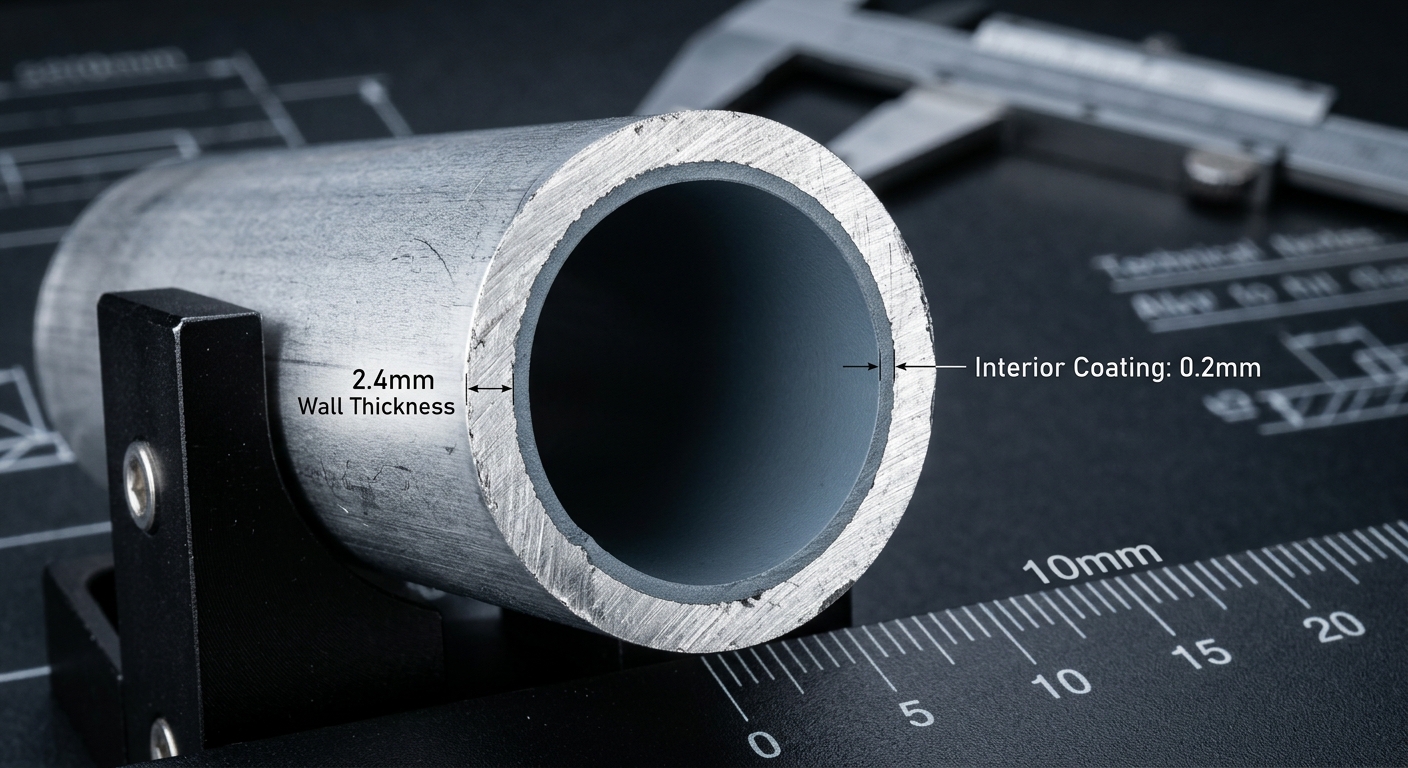
Here’s where things diverge fast. The raw aluminum never touches the product directly — an interior lacquer or coating sits between the metal and the fill, and that coating has to be engineered specifically for what’s inside.
Pharmaceutical linings
Pharma tubes typically use pharma-grade epoxy-phenolic coatings that are chemically inert and validated against extractables and leachables testing. Regulatory bodies want documented proof that nothing migrates from the tube into the drug product — and that testing can take weeks per formula. See our breakdown of pharmaceutical tube packaging compliance requirements for the specifics.
Cosmetic linings
Cosmetic-grade coatings are less regulated but still need compatibility testing against surfactants, oils, and preservative systems common in creams and gels. A poorly matched lining can cause discoloration or separation at the tube neck within months.
Food linings
Food-contact coatings must meet FDA 21 CFR or EU 10/2011 migration limits, and they’re tested for taste-transfer, not just chemical safety — a lining that’s perfectly safe can still fail if it imparts a metallic aftertaste to a paste or sauce.
What Changes: Compliance Paperwork and Traceability
Cosmetics need a safety data sheet. Pharma needs a paper trail that could survive an FDA audit. That gap is enormous, and it’s the single biggest driver of lead time differences between industries.
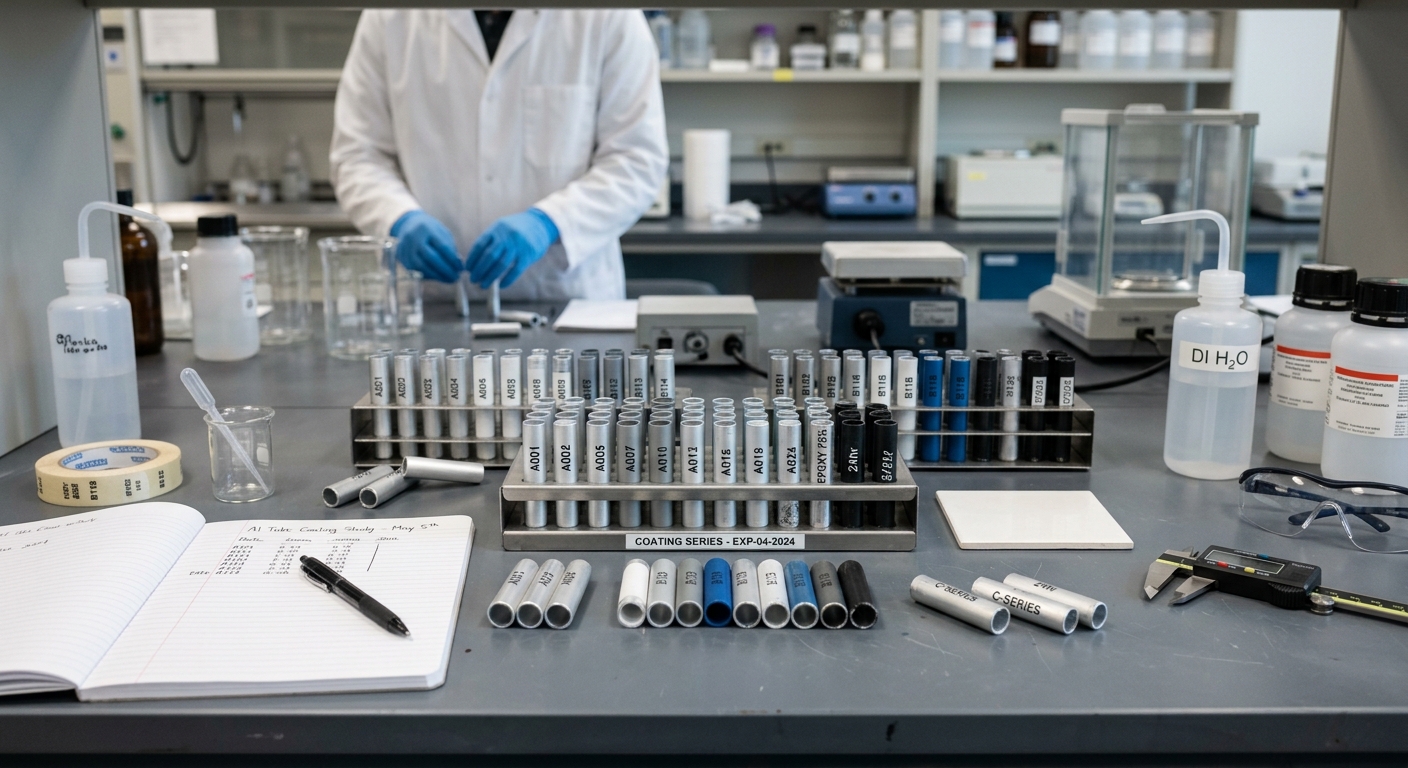
For pharmaceutical tube orders, buyers typically need batch-level certificates of analysis, Drug Master File cross-references if the coating supplier changes, and full GMP facility audits before the first production run is even approved. A generic ibuprofen gel manufacturer switching tube suppliers might spend three to four months just on qualification testing before placing a commercial order.
Cosmetic brands, by contrast, mostly need ingredient-safe material declarations and sometimes ISO 22716 compliance from the manufacturer — a fraction of the documentation burden. Food packaging sits in between, requiring migration test reports but rarely full audit trails unless the buyer is a major retailer with its own supplier compliance program.
What Stays the Same: Collapsibility and Dispensing Behavior
Regardless of industry, the mechanical performance a buyer needs is identical — the tube has to collapse cleanly, not spring back, and dispense the full contents without trapping product at the shoulder. This is a manufacturing quality issue, not a regulatory one, and it’s where a lot of cheaper suppliers cut corners.
For instance, a toothpaste brand and a topical antifungal cream brand have the exact same complaint when tube quality is poor: product gets stuck at the shoulder, customers squeeze harder than they should, and the tube ends up looking half-used when it’s actually empty. Wall thickness consistency and proper annealing during manufacturing solve this across every category — see how it’s actually done in our look inside an aluminum tube factory.

What Changes: Closure and Tamper-Evidence Requirements
A flip-top cap that looks great on a hand cream tube would fail a pharma compliance review instantly — no tamper-evidence, no child-resistance option, no lot-code visibility. Closures are one of the clearest lines separating the three industries.
- Pharma: tamper-evident seals, sometimes child-resistant caps, often with a foil membrane under the cap that must be pierced before first use.
- Cosmetics: branding-forward closures — flip-tops, screw caps with embossed logos, applicator tips for lip and eye products (see custom lip gloss tube applicator options).
- Food: straightforward hygienic screw caps, occasionally with induction seals for extra freshness assurance during transit.
A private label supplement brand moving a topical cream from cosmetic to OTC drug classification, for example, often has to redesign the entire closure system — not just relabel the box.
What Changes: Printing Space and Regulatory Text
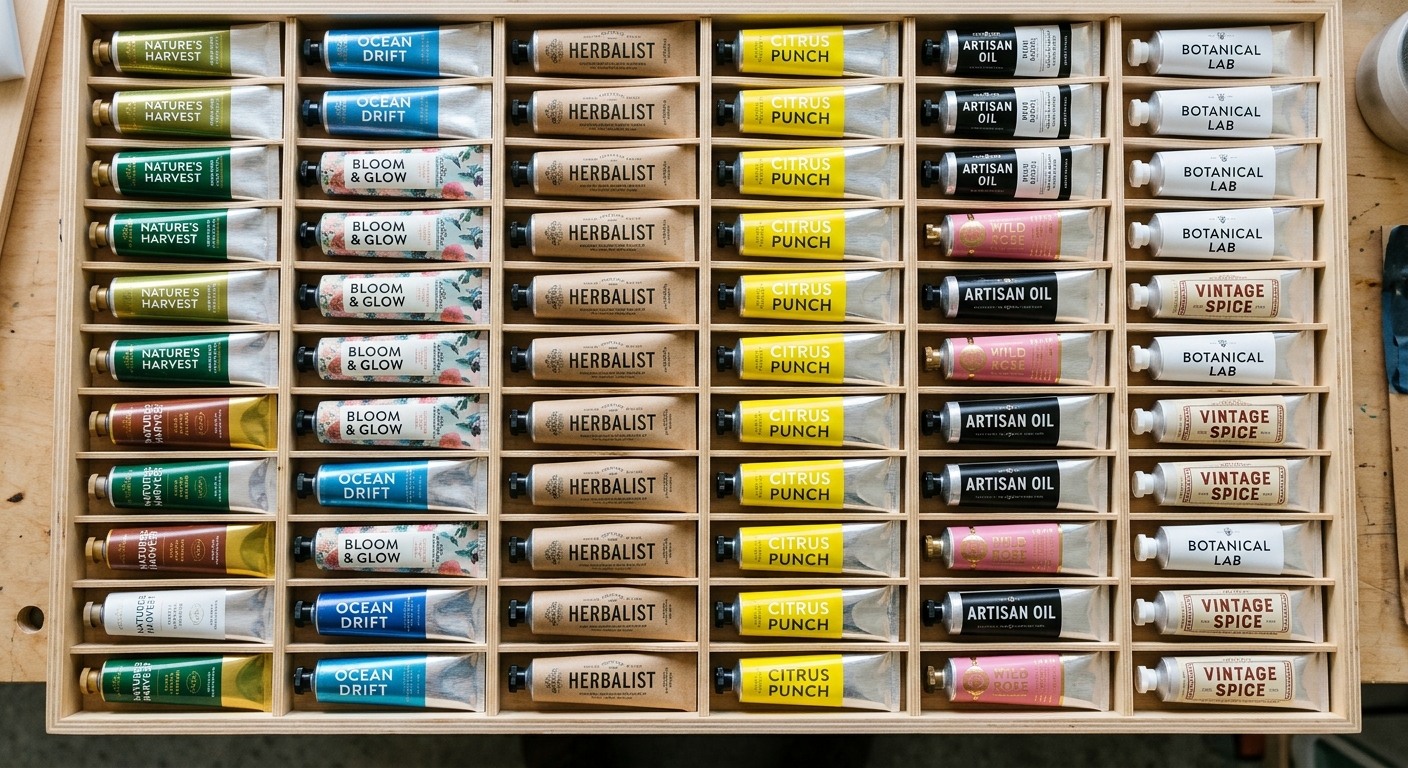
Cosmetic tubes get the most creative freedom — full-body offset printing, metallic finishes, embossing, the works. Pharma tubes lose a lot of that real estate to mandatory text: dosage instructions, batch numbers, expiry dates, and warning statements that can’t be omitted or shrunk below legibility thresholds.
Food tubes sit in the middle — nutrition panels and ingredient lists take priority, but there’s usually still room for strong brand graphics. If you’re deciding between decoration methods for any of these, our guide on choosing offset, screen, or digital printing for aluminum tubes covers which method holds up best under each industry’s label requirements.
What Stays the Same: Sustainability Math
Whether it’s a pharma tube, a cosmetic tube, or a food tube, the recyclability argument is identical — aluminum tubes can be recycled indefinitely without losing material quality, and recycled aluminum takes roughly 95% less energy to reprocess than producing virgin metal. That number doesn’t shift by industry.
What does shift is how much marketing weight brands put on it. Cosmetic and personal care brands lean hard into sustainability messaging on-pack. Pharma brands rarely mention it at all, even though the tube itself is just as recyclable. Food brands increasingly use it as a differentiator against plastic squeeze pouches. For a deeper look at the actual recycling process, see how aluminum tube containers get recycled.
A Practical Example: One Formula, Three Regulatory Paths
Consider a hypothetical antibacterial hand gel. Sold as a cosmetic, it needs standard branding and a cosmetic-grade lining — production can start in weeks. Reformulated with a higher active concentration and marketed as an OTC antiseptic, it now needs pharma-grade inert lining, tamper-evident closures, and stability testing documentation — timeline stretches to months. Sold instead as a food-contact hand-cleaning product for kitchen use, it needs food-safe migration testing and different labeling entirely.
Same tube geometry, same collapsible barrel, three completely different qualification paths. This is exactly why buyers should clarify the intended product classification with their tube manufacturer before signing a contract — the wrong lining assumption early on can cost months of rework later.
How to Choose the Right Path for Your Product
Start with classification, not aesthetics. Know whether your product is regulated as a drug, cosmetic, or food before you spec the tube — that decision drives lining, closure, and documentation requirements more than anything else. From there, confirm the coating supplier’s compatibility data against your actual formula, not a generic product family.
Brands frequently underestimate lead time differences: a cosmetic tube run can move from artwork approval to shipment in four to six weeks, while a pharma tube run with new lining qualification can take three to four months. Build that into your procurement timeline before Q4 planning so you’re not scrambling.


