
If you’re protecting an oxygen-sensitive, light-reactive, or active-rich formula, aluminum tubes win — decisively. Aluminum delivers a true zero-permeability barrier and prevents the suck-back effect that lets air re-enter plastic tubes after every squeeze. Plastic still has its place for cost-driven mass-market products and water-heavy formulas, but for shelf life, ingredient integrity, and premium positioning, aluminum is the technically superior choice in 2026.
The Barrier Performance Gap Nobody Talks About Honestly
Here’s the part most plastic tube suppliers gloss over: oxygen transmission rate (OTR). Aluminum has an OTR of essentially zero. Plastic PE tubes typically test between 100–400 cc/m²/day, and even multi-layer PBL (plastic barrier laminate) tubes with an EVOH layer sit around 1–5 cc/m²/day. That’s better — but still not zero.
Why does that matter? Vitamin C (L-ascorbic acid), retinol, peptides, benzoyl peroxide, and most pharma actives oxidize on contact with air. A 2 cc/m²/day OTR means measurable degradation over 18 months. With aluminum, that variable disappears entirely.
Light is the second barrier. Aluminum is 100% opaque across UV and visible spectrum. Most plastic tubes — even “white” ones — let 3–15% of light through, which is enough to break down photosensitive ingredients like tretinoin or essential oils.
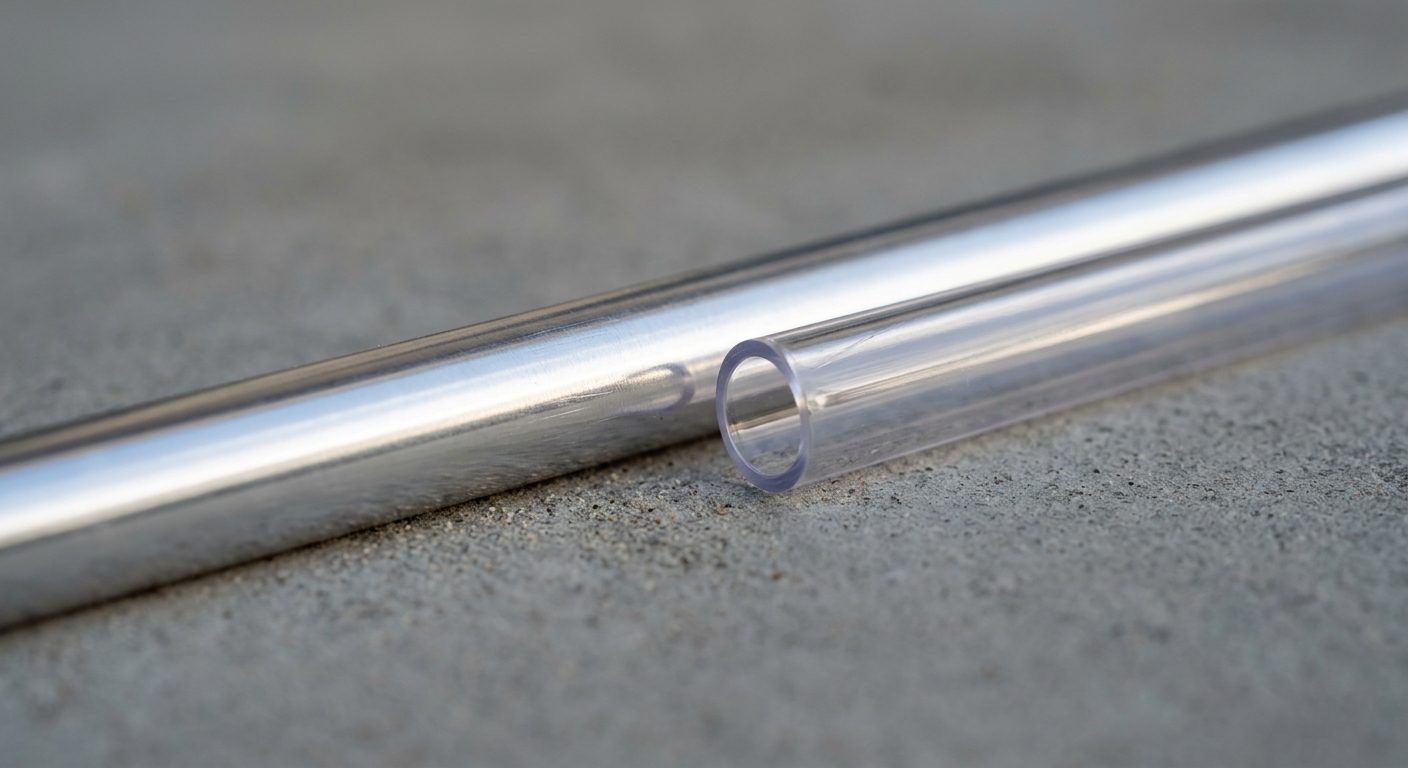
Side-by-Side: The Technical Comparison
Here’s how the two materials stack up across the criteria that actually matter to a packaging buyer:
| Criteria | Aluminum Tubes | Plastic Tubes (PE/PBL) |
|---|---|---|
| Oxygen barrier | Absolute (0 OTR) | Permeable |
| Light barrier | 100% opaque | Variable, often translucent |
| Chemical resistance | Excellent (with internal lacquer) | Moderate, formula-dependent |
| Typical shelf life | 24–36 months | 12–18 months |
| Recyclability | Infinitely recyclable | Limited, often mixed-material |
| Squeeze memory | No suck-back | Returns to shape, draws air in |
| Unit cost | Higher (~20–40% premium) | Lower |
| Best for | Pharma, premium cosmetics, actives | Mass-market, water-based formulas |
The cost premium for aluminum is real, but for a $40 retinol serum or a prescription topical, the packaging is 3–6% of COGS. The shelf-life extension easily pays for itself.
The Suck-Back Problem: Why Plastic Tubes Re-Contaminate
Squeeze a plastic tube. It flexes. Release it — and it springs back to its original shape, pulling ambient air (and microbes) back inside through the orifice. Every single use. Over a 90-day product life, that’s hundreds of air exchanges.
Aluminum doesn’t do this. Once you squeeze an aluminum collapsible tube, it stays collapsed. The dispensed volume is replaced by collapsing tube walls, not incoming air. This is functionally similar to an airless pump — but at a fraction of the cost and tooling complexity.
For preservative-free formulas, sensitive actives, or pharma ointments where contamination risk is a regulatory issue, this single property of aluminum is often the deciding factor.
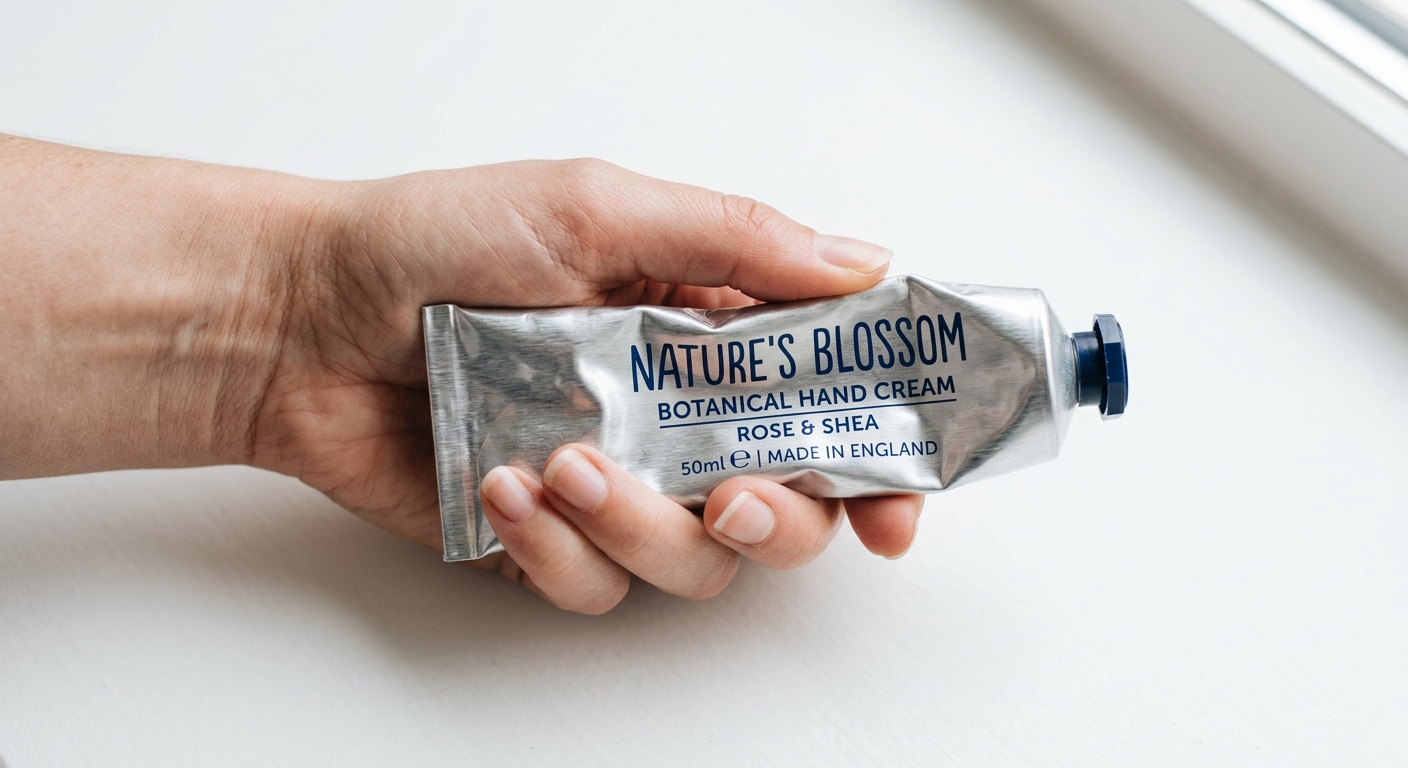
Chemical Compatibility: Where Plastic Quietly Fails
Plastic tubes interact with formulas more than buyers realize. Essential oils, high-percentage alcohol, retinol esters, and certain silicones can plasticize, swell, or leach additives from PE walls. The result: tube softening, off-odors, and migration of antioxidants or slip agents into the formula.
Aluminum tubes use an internal epoxy phenolic or BPA-NI (non-intent) lacquer that’s selected based on your specific formula chemistry. This is where supplier expertise matters. For example, a brand we worked with had a 30% tea tree oil spot treatment that destroyed three different plastic tube samples within four weeks. Switching to aluminum with a tea-tree-compatible internal lacquer solved the problem entirely — and extended their stability data to 30 months.
Quick compatibility rule of thumb:
- Water-based lotions, hand creams, sunscreens: both work; aluminum extends shelf life
- Alcohol >15%, essential oils, retinol: aluminum strongly preferred
- Pharma APIs, peroxides, fluorides (toothpaste): aluminum or ABL only
- Hair color, oxidative formulas: aluminum required
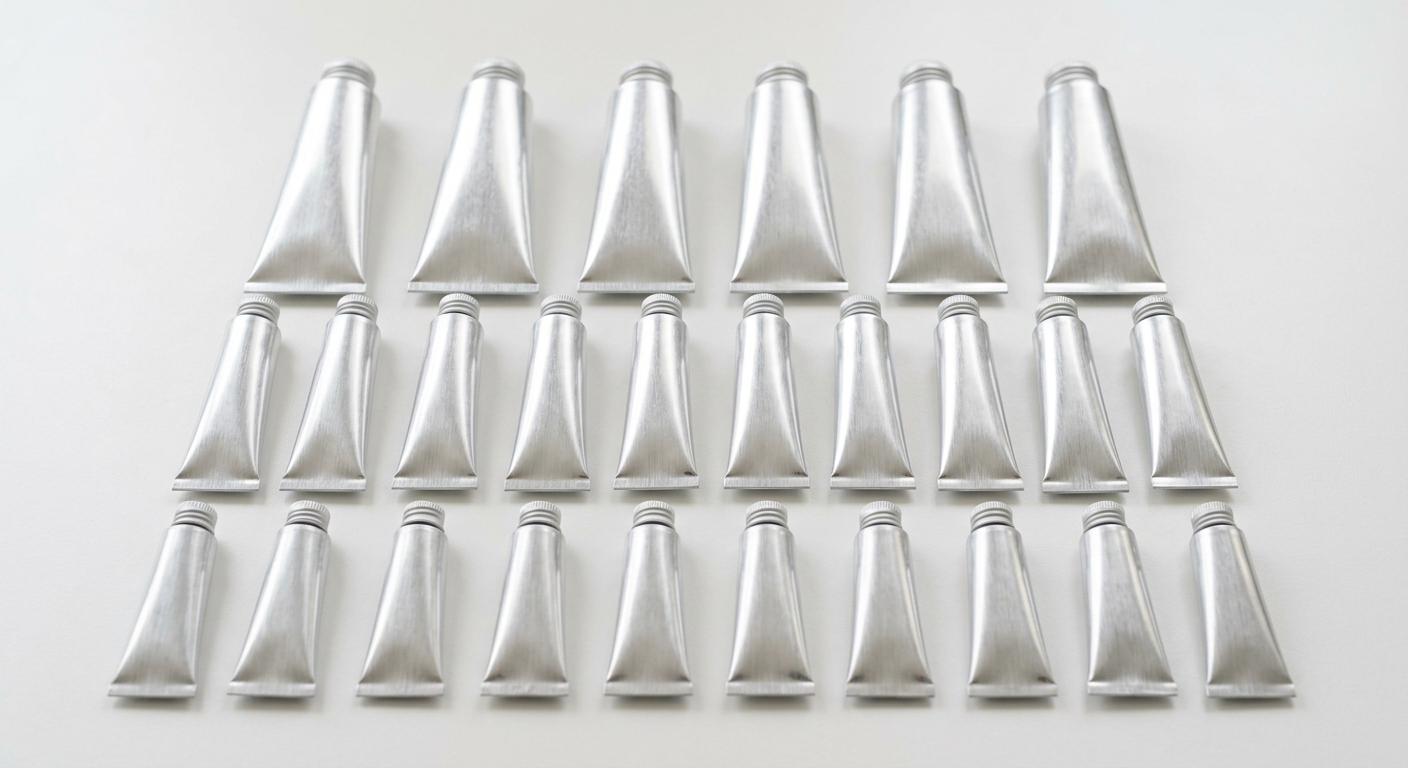
Shelf Life in Real Numbers
Independent stability testing in our industry typically shows the following ranges (assuming identical formula and storage at 25°C / 60% RH):
- Vitamin C serum (10% L-ascorbic acid): Plastic tube — 6 to 9 months before significant browning. Aluminum tube — 18 to 24 months.
- Retinol 0.5% in oil base: Plastic — 12 months. Aluminum — 30+ months.
- Fluoride toothpaste: Plastic laminate — 18 months. Aluminum — 36 months (still the regulatory standard for most pharma toothpastes).
- Hand cream, water-based, with preservatives: Plastic — 24 months. Aluminum — 30 months.
If your stability data isn’t hitting your target shelf life, the tube — not the formula — is often the bottleneck. We see this constantly with brands who reformulate three times before realizing the packaging is the variable.
Sustainability: The Numbers Behind the Marketing
Both materials get spun in sustainability marketing. The honest picture:
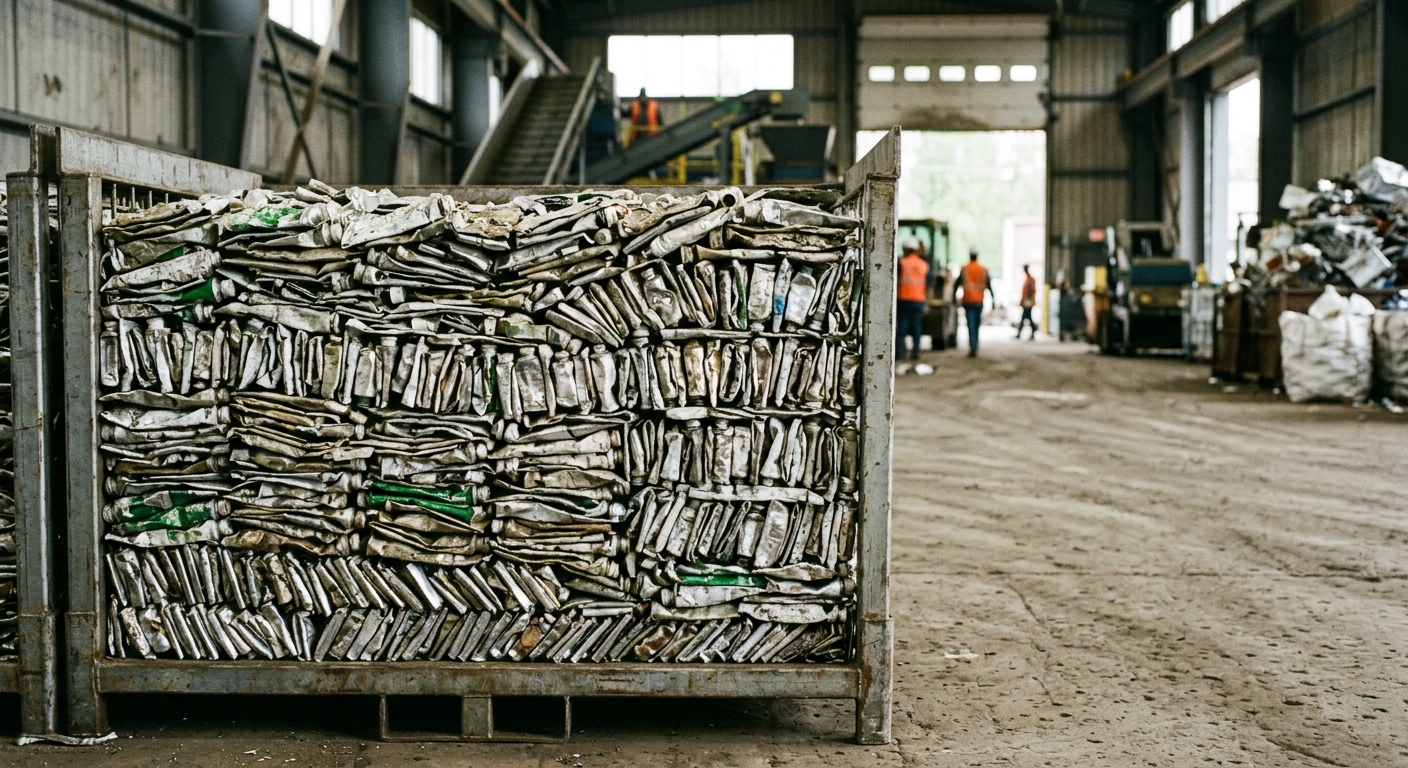
Aluminum: infinitely recyclable with no quality loss. Approximately 75% of all aluminum ever produced is still in use today. Recycled aluminum uses 95% less energy than virgin production. Single-material aluminum tubes (with HDPE cap removed) recycle through standard metal streams.
Plastic: most cosmetic tubes are multilayer laminates (LDPE/EVOH/LDPE or aluminum-foil-laminated PBL), which are technically recyclable but practically not — most municipal facilities reject them. Mono-material PE tubes exist but sacrifice barrier performance.
If your sustainability claim is “recyclable in real-world infrastructure,” aluminum is the more defensible choice. We’ve written more on this in recyclability of aluminum tube containers and what actually works vs. greenwashing.
When Plastic Is Actually the Right Choice
To be fair: aluminum isn’t always the answer. Pick plastic when:
- Cost per unit is the dominant constraint: drugstore brands, promotional sizes, sachets where retail price is <$5
- Formula is water-based and well-preserved: a basic body lotion doesn’t need a metal barrier
- You want translucency: some brands want consumers to see the product color (clear gels, for example)
- Squeezability for kids/elderly products: plastic is more forgiving on grip strength
- Low MOQ flexibility: stock plastic tubes are easier to source in small quantities
A mass-market shampoo brand selling 50,000 SKUs at $3 retail simply cannot justify aluminum economics. That’s fine — match the packaging to the product. For help thinking through this, our guide to choosing the right packaging material walks through the full decision framework.
Customization and Branding: A Premium Edge
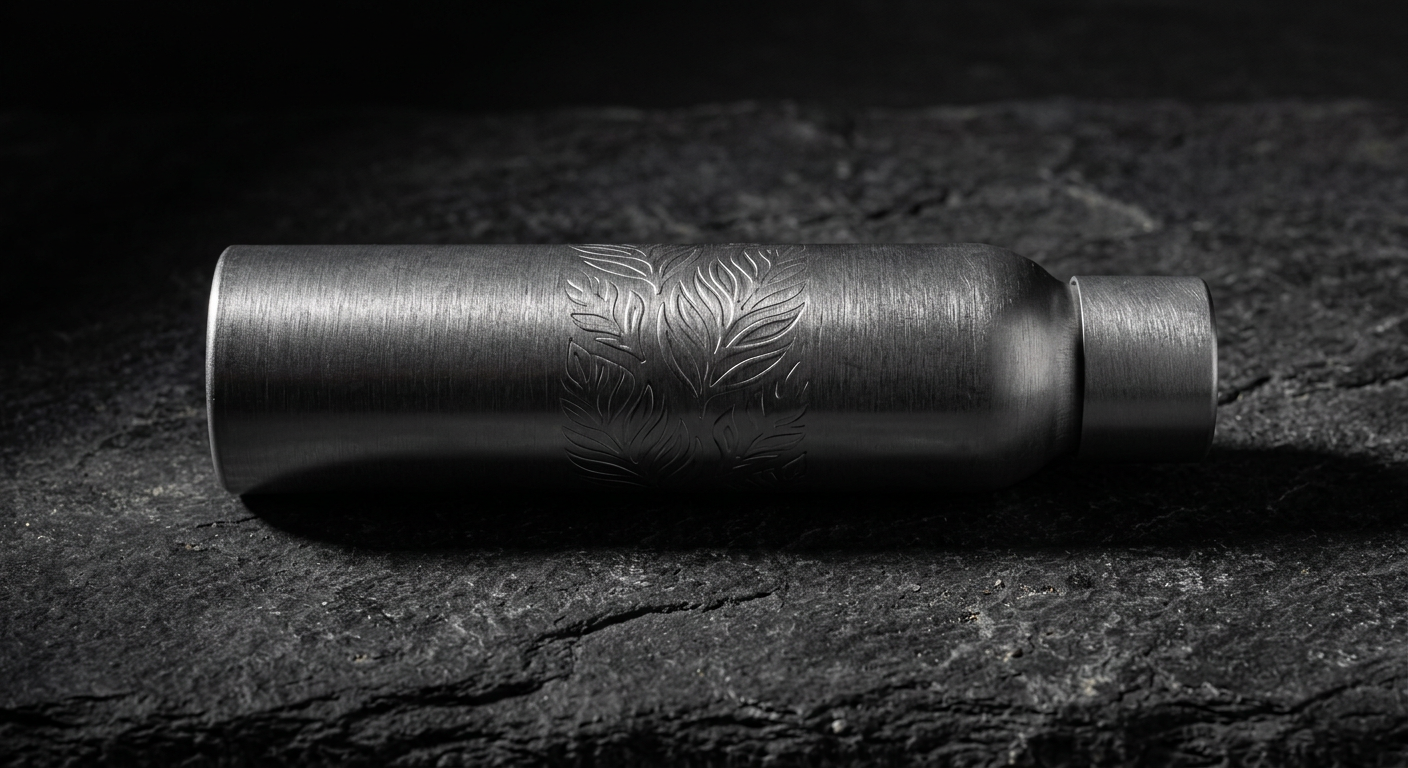
Aluminum tubes accept a wider range of decoration techniques: offset printing, silk screen, hot stamping, embossing, matte/gloss varnishes, brushed metal finishes, and anodized color effects. The metallic substrate creates depth that printed plastic genuinely cannot replicate.
For example, a Korean skincare brand we supply uses brushed-finish aluminum tubes with a single hot-foil logo — no full-wrap print. The bare metal becomes the design. That look is impossible in plastic without expensive metallization, which compromises recyclability.
If you’re targeting the $25+ retail segment, this matters. Shelf perception studies consistently show aluminum reads as “premium,” “effective,” and “clinical” — which is exactly the positioning most active-skincare and pharma brands want. Explore decoration options in our custom packaging section.
How to Decide: A Practical Framework
Ask these five questions in order. The first “yes” usually points you to aluminum:
- Does my formula contain oxygen-sensitive actives (vitamin C, retinol, peptides, peroxide)?
- Do I need 24+ month shelf life?
- Is my product preservative-free or low-preservative?
- Is my retail price $20+ and is premium perception important?
- Is my product regulated as pharma, OTC, or medical device?
If you answered “no” to all five and you’re cost-sensitive — plastic is reasonable. Answer “yes” to any one, and aluminum is the safer, more defensible technical choice.
Match the Tube to the Formula, Not the Trend
The right answer isn’t “aluminum is always better.” It’s: aluminum protects sensitive formulas dramatically better, extends shelf life by 50–100%, eliminates suck-back contamination, and signals premium quality — at a 20–40% packaging cost premium that’s negligible for mid-to-premium products. For oxidative, photosensitive, or active-rich formulas, it’s not really a debate.
If you’re weighing materials for a new launch or reformulation, our team can review your formula chemistry, target shelf life, and brand positioning to recommend the right tube spec, internal lacquer, and finish. Get in touch with DOLYPACK to request samples and a custom quote — we manufacture aluminum collapsible tubes for cosmetic, pharmaceutical, and personal care brands worldwide.


