
Soft-touch finishes give aluminum collapsible tubes a rubberized, velvet-like lacquer coating over the standard metal surface, giving brands a premium tactile finish while keeping aluminum’s full barrier protection and recyclability intact. The tube underneath stays the same: same aluminum core, same BPA-free lining. Only the surface finish changes. If you’ve seen the term tossed around at a trade show booth or buried in an Alibaba listing without explanation, this guide fills that gap.
Key takeaways
- Soft-touch is a rubberized topical lacquer coating applied to an aluminum tube’s exterior after forming, distinct from both glossy lacquer and matte-anodized finishes, which involve chemical oxidation of the metal itself.
- Soft-touch resists visible fingerprints well but shows scuffs and nail marks more readily than gloss or anodized finishes, making it a stronger fit for premium skincare and lip care than for high-handling products like toothpaste.
- Foil stamping and embossing tend to look more dramatic on soft-touch surfaces than on gloss, while fine-detail offset printing may need ink adjustments to adhere evenly.
- Before committing to a production run, request a pre-production sample in your actual size, cap style, logo, and colors, and ask your manufacturer directly about batch coating consistency and MOQ for the custom finish.
What Is Soft-Touch Finish, Actually?
Most suppliers mention “soft-touch finish” as a checkbox option and move on. That’s a disservice, because the coating itself determines how your tube feels, prints, and holds up over months on a retail shelf.
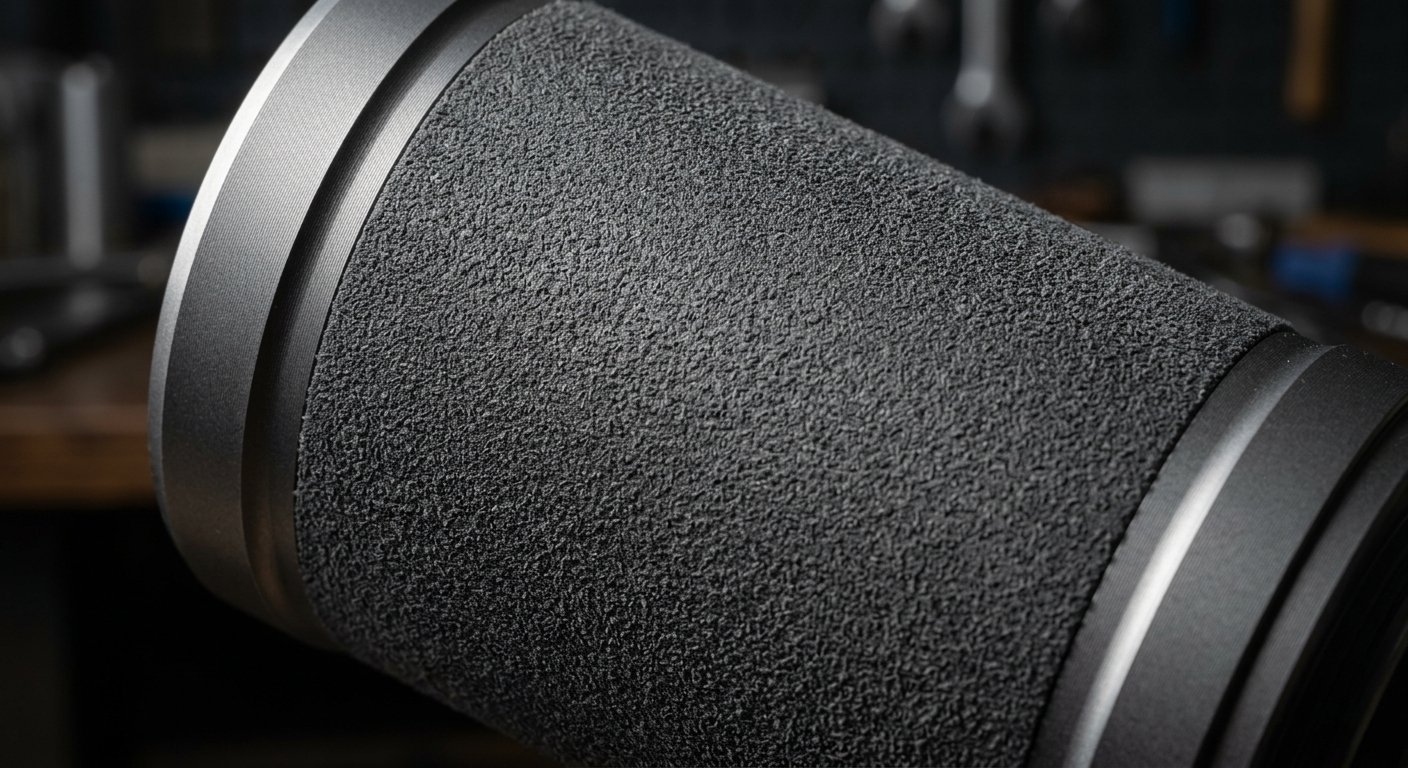
Soft-touch is a specialized lacquer applied to the exterior of an aluminum tube, formulated to cure into a rubberized, velvety texture rather than a hard, slick surface. It’s a topical coating, meaning it sits on top of the metal, applied during the finishing stage after the tube is formed and before printing or decoration goes on.
How It Differs From Gloss and Matte-Anodized
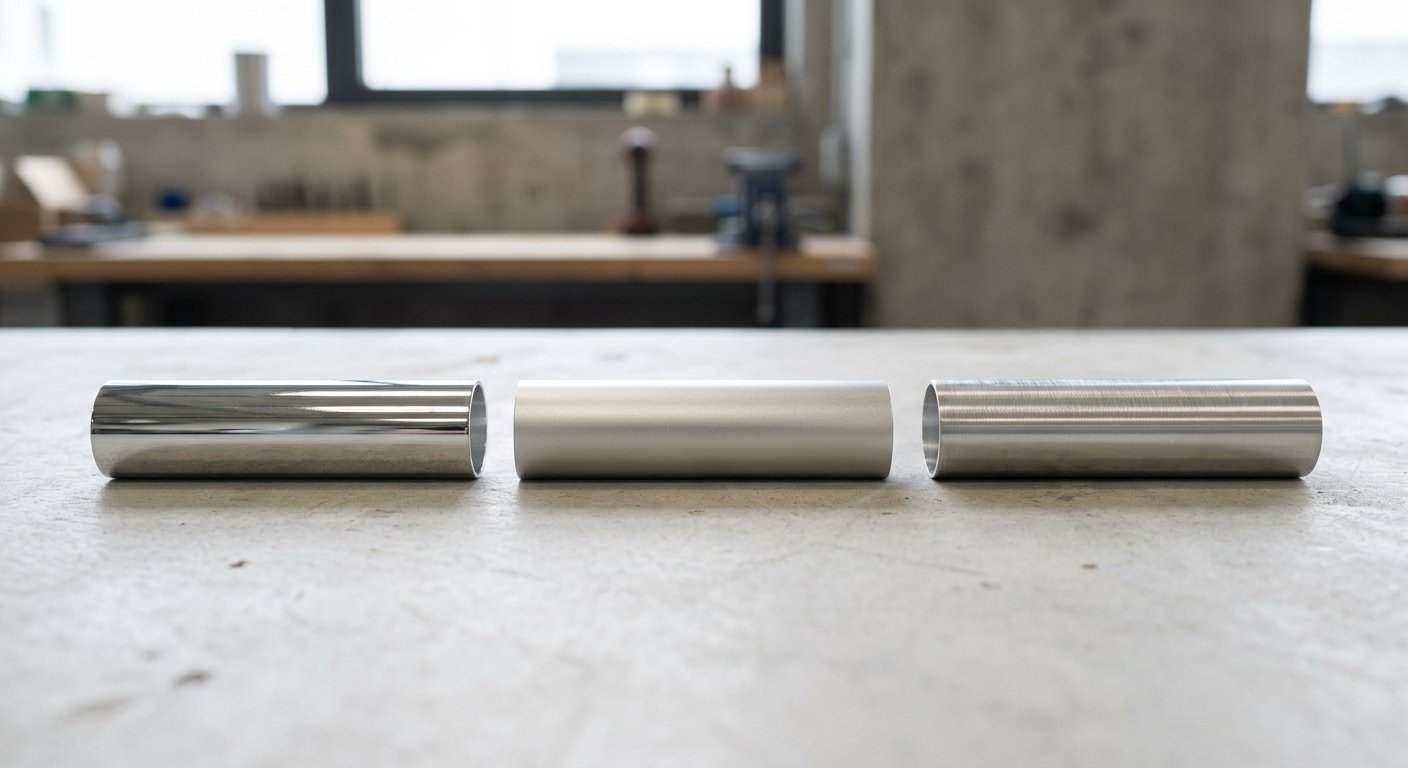
Glossy lacquer is also a topical coating, but formulated for reflectivity and hardness instead of texture. Matte-anodized is a different animal entirely: it’s a chemical oxidation process performed directly on the aluminum substrate, not a coating applied on top. That distinction matters for durability, which we’ll get to.
Because soft-touch coating has thickness and a cure cycle, it directly affects how well printing and embossing adhere later. Get the coating step wrong and you’ll see adhesion problems downstream, regardless of shape or closure. Dolypack’s tubes come in round, oval, or customized profiles, with flip-top, screw cap, or customized closures, and the interior lining stays BPA-free, safe, and stable no matter which exterior finish you choose.
Why Premium Brands Are Choosing Soft-Touch for 2026 Launches
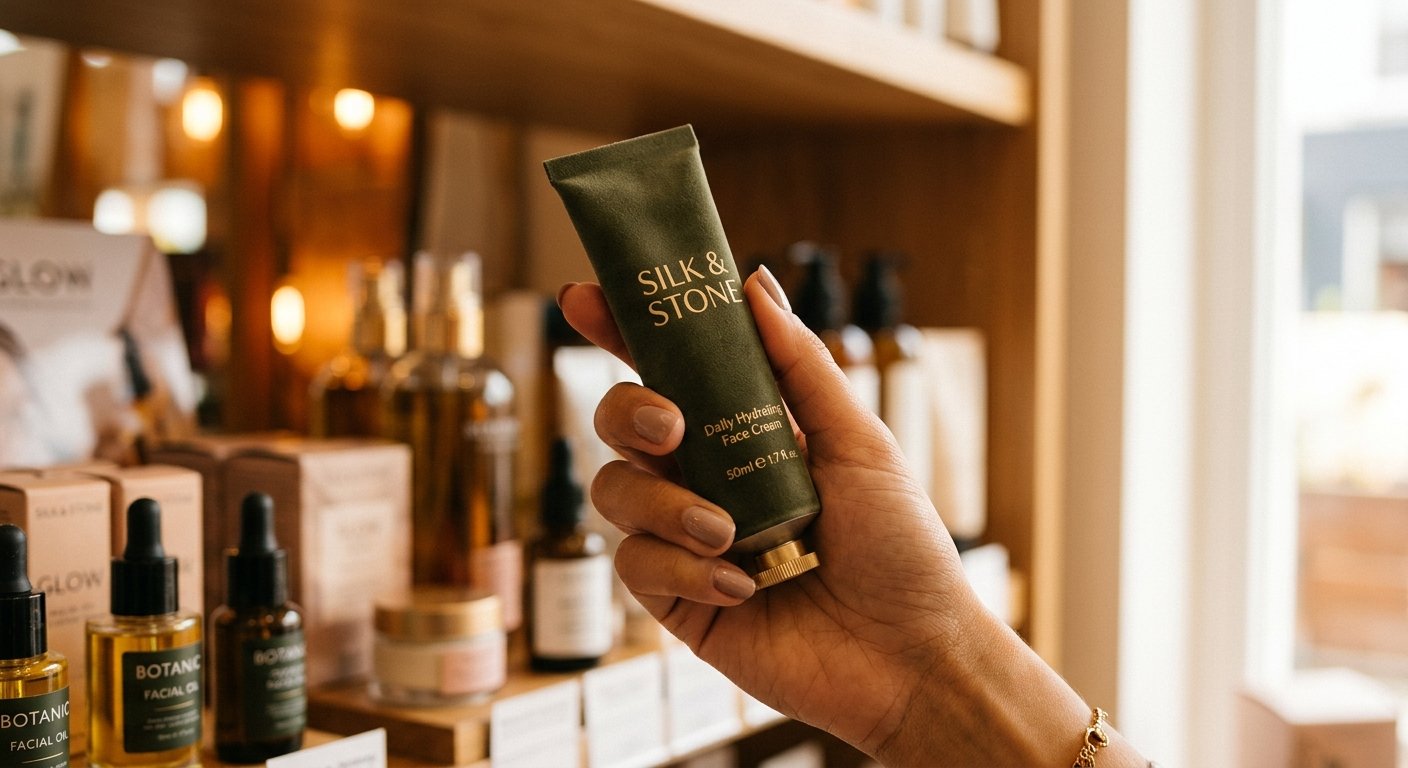
Touch is a branding signal before a single word of copy gets read. Pick up two nearly identical tubes, one glossy and one soft-touch, and in my experience most people trust the one that feels more substantial in hand. Tactile perception shapes how a product is judged before anyone reads the label, and that’s exactly why premium skincare and cosmetic brands keep gravitating toward this finish.
Soft-touch coating mutes light reflection compared to gloss. Less glare means color printing underneath often reads richer and more saturated, which is a real advantage for brands leaning into deep, muted color palettes popular in clean-beauty positioning.
It performs especially well on skincare creams, lip care, and premium hand treatments, categories where the unboxing moment and first physical impression carry real weight. If your packaging strategy already leans on aluminum’s premium positioning over plastic, soft-touch is simply the next layer of that story.
Soft-Touch vs. Glossy vs. Matte-Anodized: The Real Trade-offs
Every finish has a cost somewhere. Soft-touch coatings tend to show scuffs and nail marks more readily than hard gloss lacquer or anodized metal over repeated handling. If your product gets tossed in a bag daily, that’s worth knowing before you commit to a full production run.
On the upside, soft-touch often resists visible fingerprints better than glossy finishes, since the textured surface diffuses light rather than reflecting it directly. Printing compatibility is more nuanced: offset and screen printing adhere differently to a textured soft-touch surface than to smooth gloss, which can affect sharpness on fine-detail logos.
Adding a coating step generally means added production time compared to standard lacquer. We’re not going to invent a number here, but it’s a real factor to put on the table when you talk to your manufacturer about timelines and cost.
Soft-touch isn’t the right call everywhere. Travel-size impulse buys, gym bag products, anything that gets handled roughly and often, are places where scuff resistance probably matters more than tactile branding. For a deeper side-by-side, see our earlier piece on comparing finishes for metal cosmetic tubes.
Does Soft-Touch Finish Affect Barrier Protection or Safety?
No, and this is the part buyers worry about unnecessarily. The coating sits entirely on the exterior surface. It never touches the formula inside and doesn’t change the aluminum core’s barrier against light, oxygen, and moisture.
The interior lining stays BPA-free, safe, and stable regardless of which exterior finish you pick. That separation between exterior aesthetics and interior compliance is what makes soft-touch viable across cosmetic, personal care, and even pharmaceutical-adjacent products without triggering a compliance conversation.
Recyclability isn’t affected either. The core material is still aluminum, and aluminum keeps its recycling credentials regardless of what’s coated on top. The global recovery rate for aluminum stands at 75% and rising, and roughly 75% of all aluminum ever produced is still in circulation today. Switching finishes doesn’t touch any of that. For a closer look at how aluminum holds up over a product’s shelf life, see our shelf-life breakdown.
Which Products Suit Soft-Touch, and Which Don’t
Not every formula deserves the premium treatment, and forcing it where it doesn’t fit just adds cost without adding value. Use this as a starting checklist:
- Strong fit: premium hand cream, facial cream, serum-gel hybrids, and lip care where the unboxing experience is part of the brand story. Dolypack’s customizable aluminum tubes for skincare and makeup cream run D11.5-D40 with a custom range up to 200mm and capacities from 4-200ml, a size window that covers most premium skincare formats.
- Weaker fit: toothpaste tubes handled daily in wet bathroom environments, where scuffing and grip reliability matter more than tactile luxury.
- Weaker fit: pharmaceutical tubes, where label clarity and durability under repeated handling usually outweigh a soft tactile finish.
- Mid-ground option: soft-touch on the tube body paired with a glossy or metallic cap for contrast. This pairing shows up often on skincare lines and works well for eye cream, lip balm, mascara, and similar small-format products in the same D11.5-D40 size range.
Pairing Soft-Touch With Printing, Embossing, and Foil Stamping
Decoration choices interact with surface texture in ways that are easy to get wrong without a sample in hand. Embossing reads more dramatically on soft-touch because the contrast between raised and flat areas is more tactile than it would be on a smooth gloss surface. A logo pressed into velvet feels different than one pressed into hard lacquer, and customers notice.
Foil stamping against soft-touch creates strong visual contrast: a metallic logo against a matte velvet body is a common premium look for a reason. It works.
Fine-line offset printing may need adjusted ink formulation to lay down evenly on a textured coating, while screen printing tends to hold up well without much fuss. If you’re deciding between methods, our guide on choosing a printing method for aluminum tubes walks through the mechanics in more detail.
Before committing to a full run, always request a physical sample with your actual logo and colors. A swatch of plain coated metal tells you almost nothing about how your specific artwork will render.
How to Brief a Manufacturer for Consistent Soft-Touch Quality
Soft-touch coating is one of the easier finishes to get wrong at scale, and the failures are almost always about consistency, not the concept itself. Here’s what to ask before you place a production order:
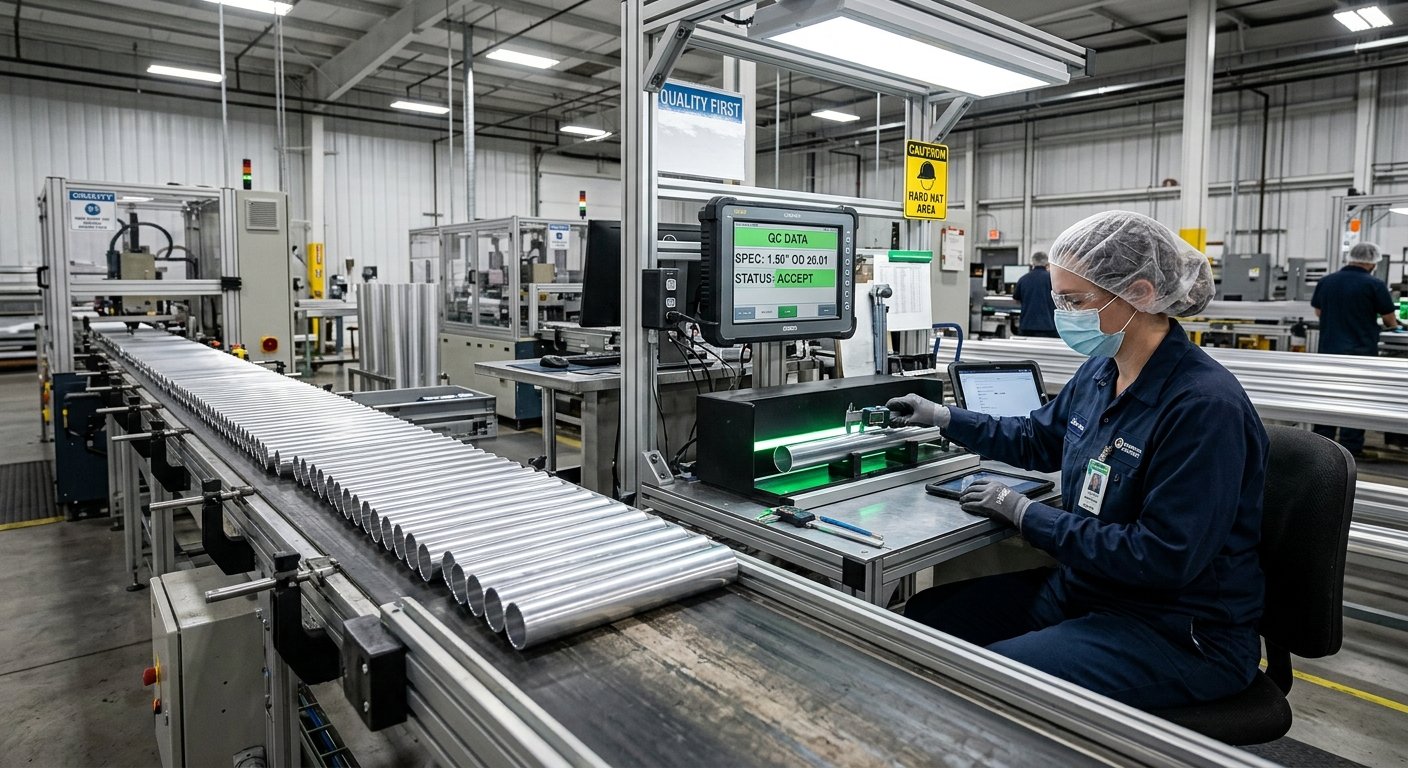
- Ask about batch consistency. Uneven texture or sheen between tubes within the same batch is the most common soft-touch defect, and it’s usually a sign of inconsistent cure time or spray application.
- Ask how adhesion is tested. A good manufacturer should be able to explain how they verify the coating won’t peel or rub off during shipping and handling, not just assume it.
- Clarify MOQ separately. A specialty coating run can carry a different minimum order quantity than a standard lacquer finish. Don’t assume they’re the same; ask directly.
- Request a real pre-production sample. Get it in the actual size and cap style you intend to use in production, not a generic swatch that tells you nothing about your final SKU.
Dolypack offers aluminum collapsible tubes, also called aluminum squeeze tube packaging, and runs an R&D team of over 22 people alongside a library of more than 260 standard and non-standard molds. That combination supports custom size, shape, and closure development generally, which gives the flexibility to match a soft-touch brief to specific size and cap requirements rather than forcing a standard shape.
Getting Started With Dolypack’s Soft-Touch Collection
Choose soft-touch when tactile brand perception matters more than maximum scuff resistance for your specific product and audience. That’s the whole decision framework, stripped down. For a premium hand cream or lip care line meant to feel special in hand, it’s worth the extra production step. For a toothpaste tube or a travel-size impulse buy, it probably isn’t.
Either way, the finish sits on top of the same protective aluminum core your brand already relies on.
Dolypack has over 10 years of experience producing pure aluminum collapsible tubes, aluminum bottles, boxes, and aerosol cans, with a reported 99.99% customer satisfaction rate across its production work. If you’re weighing a soft-touch run for 2026, request a sample in your target size and cap style before committing to full production, and bring your actual logo and colors so you can see exactly how it will look and feel.
Frequently asked questions
Is soft-touch finish more expensive than standard glossy lacquer on aluminum tubes?
Generally yes, because it adds a separate coating and cure step to the finishing process. There’s no fixed number that applies across suppliers, so ask your manufacturer directly how the added step affects cost and lead time for your specific size and order volume before finalizing a brief.
Does soft-touch coating work on small tube sizes like lip balm or eye cream?
Yes, soft-touch coating applies to small-diameter tubes just as it does to larger ones, commonly in the D11.5-D40 size range used for lip balm, eye cream, and mascara. Pairing a soft-touch body with a glossy or metallic cap is a common design choice at this scale.

