
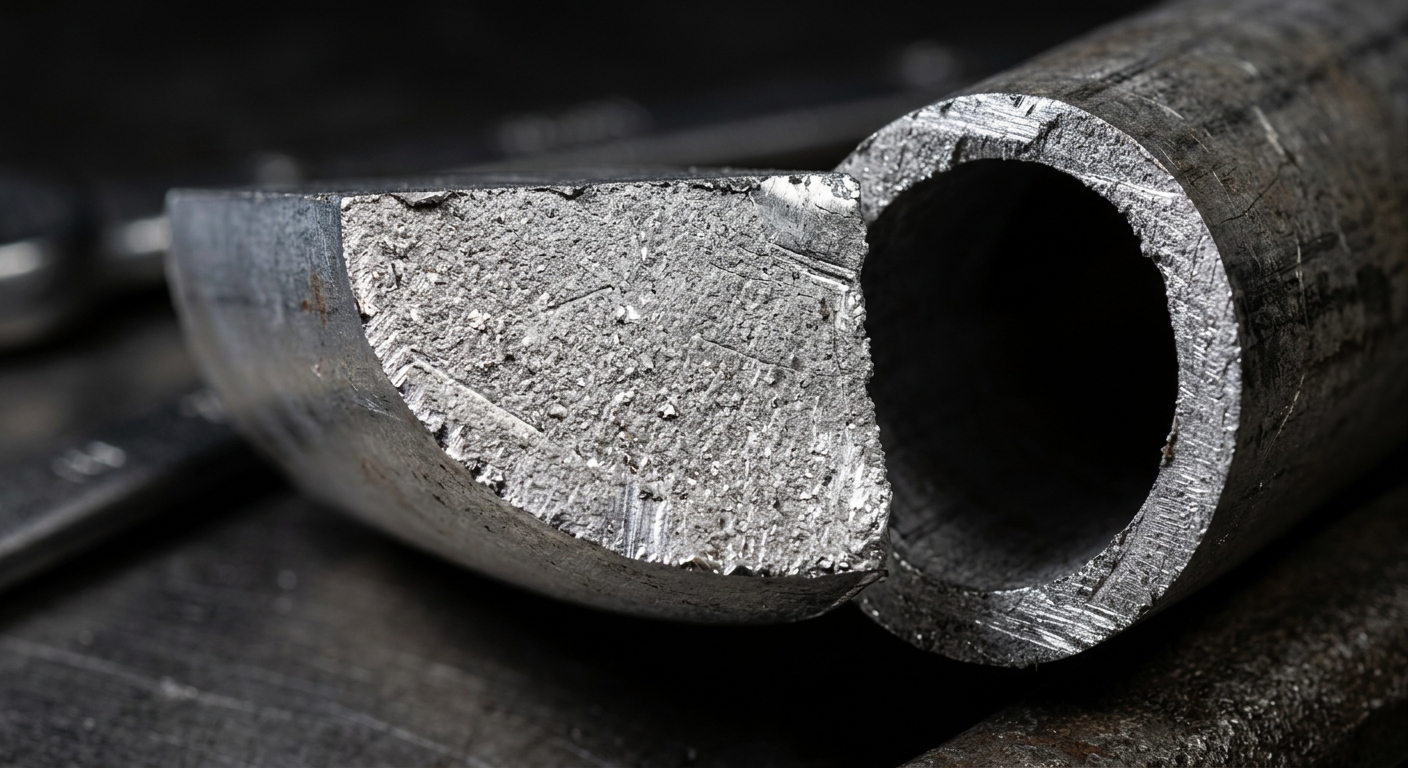
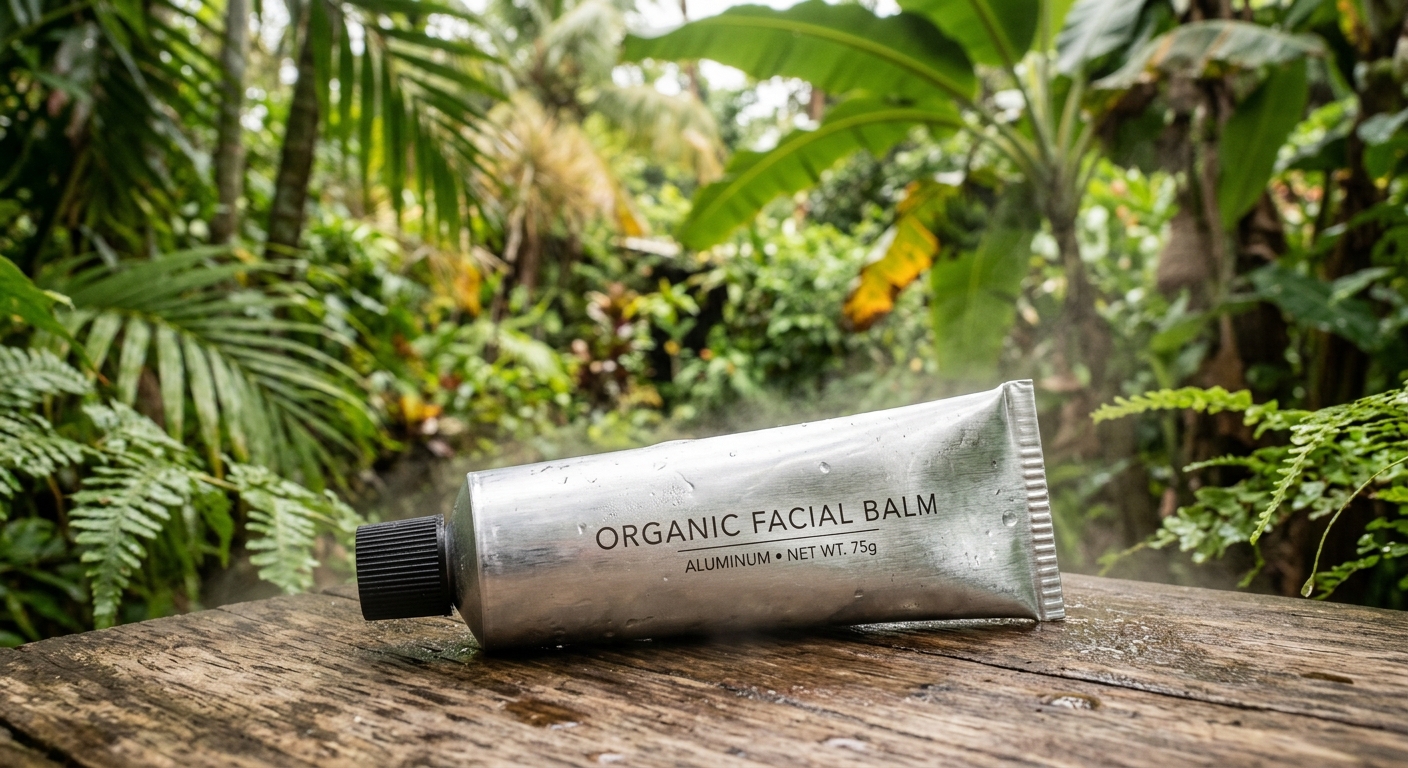
A well-made aluminum tube can extend a formula’s real-world shelf life by 6 to 18 months compared to standard plastic packaging, mainly because it blocks oxygen and UV light almost completely. That’s not a marketing claim — it’s basic material physics. Aluminum has zero oxygen transmission rate, while even the best HDPE plastic tubes let some gas through the walls over time, slowly degrading actives, fragrances, and preservative systems.
Why Oxygen Is the Real Enemy (Not Time)
Most brands blame “time” when a formula goes bad. Wrong villain. The actual culprit is usually oxygen slowly seeping through the container wall and reacting with your ingredients. Vitamin C serums, retinol creams, and natural oils are especially vulnerable — oxidation changes their color, smell, and efficacy long before the stated expiration date.
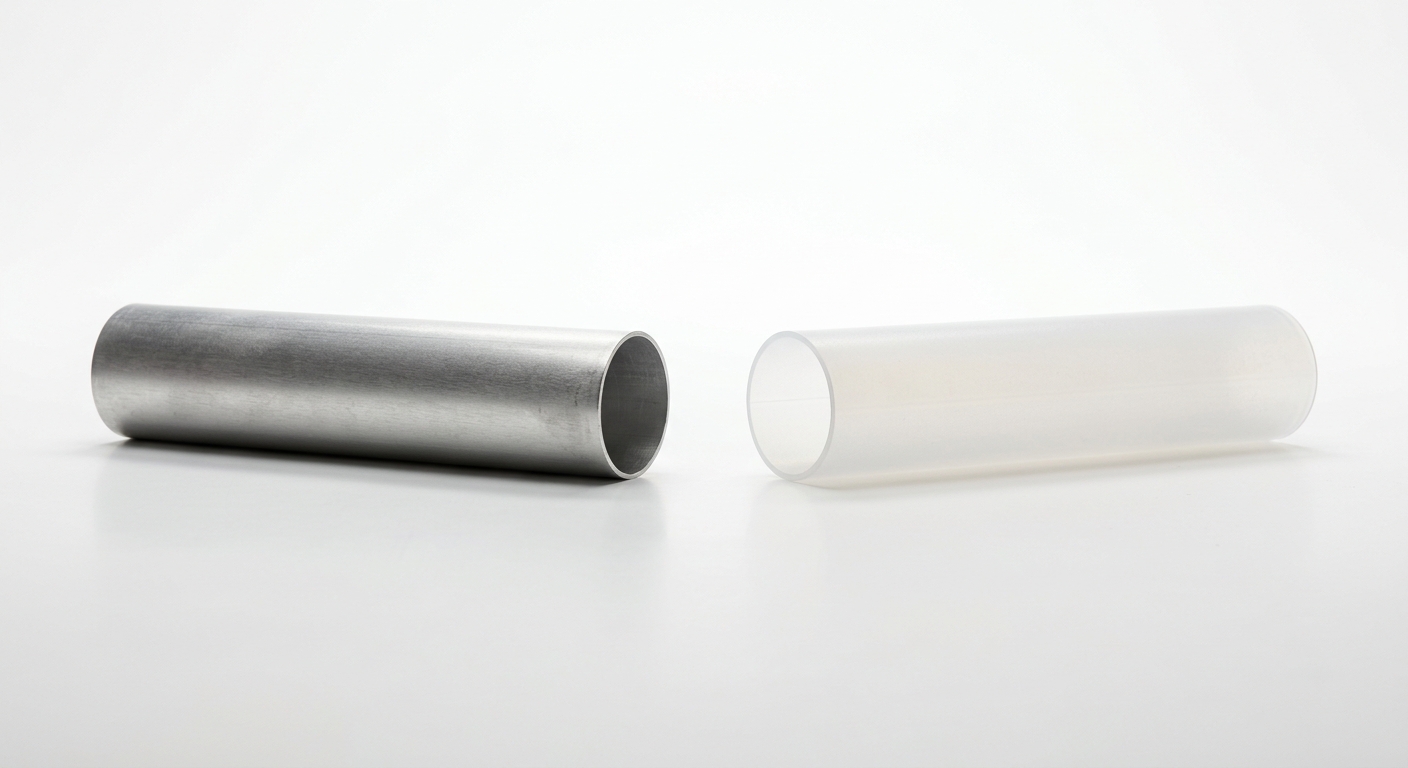
Plastic tubes, even multi-layer ones, have a measurable Oxygen Transmission Rate (OTR), typically ranging from 0.5 to 5 cc/m²/day depending on resin and thickness. Aluminum’s OTR is effectively zero. That single number explains why the same vitamin C serum can look fresh in an aluminum tube a year after the identical batch in plastic has already turned brown.
What This Means in Practice
For oxidation-sensitive actives — think antioxidants, retinoids, and essential oil blends — this isn’t a marginal improvement. It’s often the difference between a product that performs as promised and one that quietly underdelivers by month four.
Light Exposure: The Silent Shelf-Life Killer
UV and even ambient visible light degrade far more ingredients than people realize — retinol, certain SPF filters, and botanical extracts are notoriously photosensitive. Aluminum tubes solve this instantly because the metal is fully opaque; zero light gets through, period. No pigment, no UV additive, no compromise.
Clear or translucent plastic tubes require light-blocking additives to get anywhere close to this performance, and even opaque plastics can have micro-thin spots or seam weaknesses where light sneaks in. If your formula has a light-sensitivity warning on the safety data sheet, aluminum removes that risk from the packaging conversation entirely rather than just reducing it.
Moisture and Humidity: Why Powder and Anhydrous Formulas Benefit Most
Water vapor transmission is another quiet threat, especially for anhydrous balms, waxy sticks, or powder-based formulas that clump or cake when moisture creeps in. Aluminum’s seamless barrier keeps humidity out just as effectively as it keeps oxygen out.
For example, a specialty balm brand using an aluminum collapsible tube for a beeswax-based lip repair product reported zero texture complaints over 24 months in humid export markets — a problem they’d previously seen with plastic packaging in the same climates. That’s the kind of real-world stability data that matters more than a lab shelf-life estimate on paper.
How Aluminum Compares to Plastic and Laminate, Number by Number
If you want a side-by-side breakdown of protection performance, our detailed comparison in Aluminum vs. Plastic Tubes: Which One Actually Protects Your Formula Better? goes deeper into lab-tested transmission rates. The short version: laminate tubes split the difference, offering better protection than pure plastic but still relying on seam integrity that aluminum simply doesn’t need to worry about.
Where Laminate Falls Short
Laminate tubes use a foil layer sandwiched inside plastic, which sounds like it should match aluminum’s performance. It doesn’t — the seam where the tube is heat-sealed remains a weak point for gas and moisture ingress, especially after repeated squeezing near the bottom fold.
Shelf-Life Gains by Product Category
Not every formula benefits equally. Here’s how the numbers generally shake out based on industry testing and typical stability data:
- Vitamin C and retinol serums: 8-15 months longer stable shelf life vs. plastic
- Hand and body creams: 4-8 months longer, mainly due to fragrance preservation
- Toothpaste: historically packaged in aluminum for exactly this reason — see our piece on why aluminum is making a comeback in toothpaste tube packaging
- Pharmaceutical ointments: often mandated to use aluminum specifically for stability compliance, detailed in pharmaceutical tube packaging compliance guidance
- Lip and color cosmetics: 3-6 months longer for pigment stability, especially relevant if you’re exploring custom lip gloss tubes
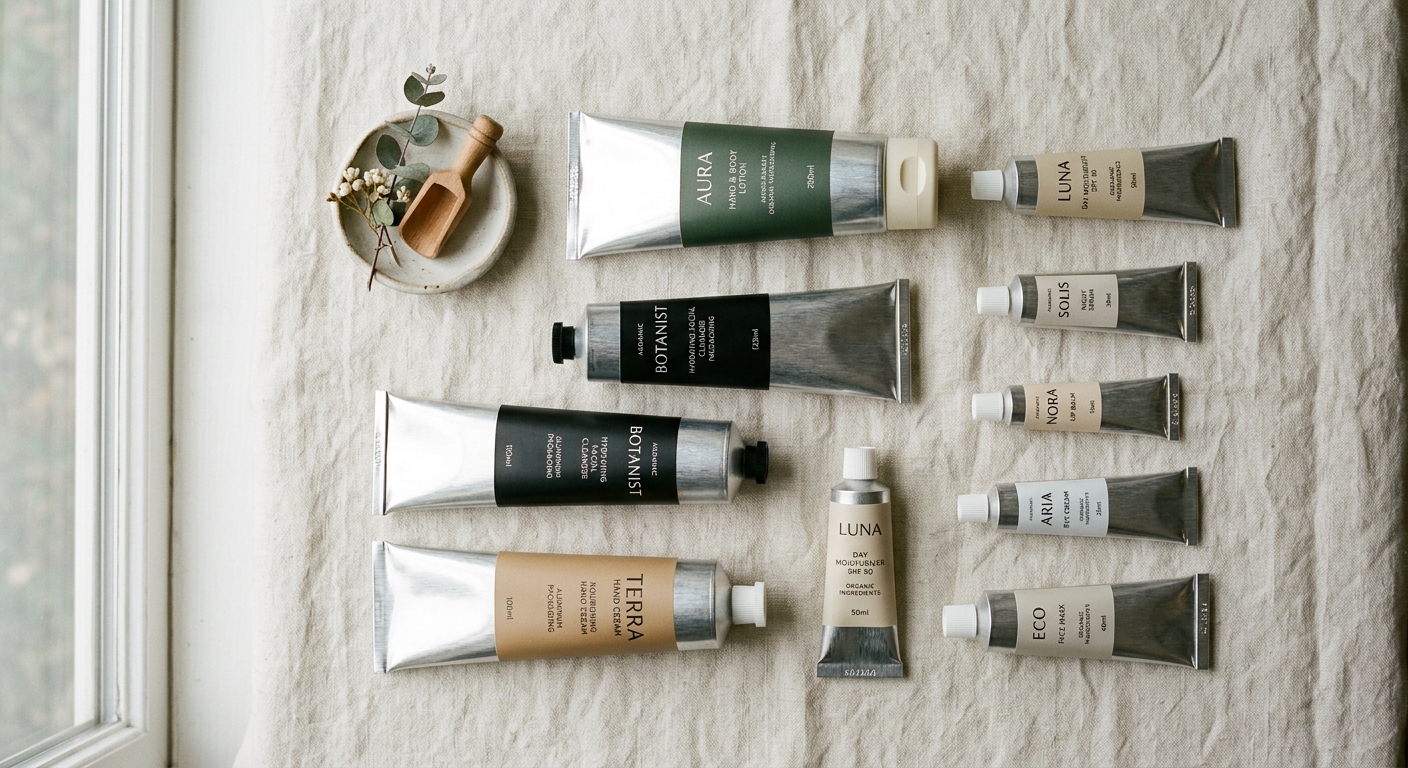
Notice a pattern? The more sensitive the actives, the bigger the shelf-life win from switching to aluminum tube cosmetic packaging.
The Coating Layer Nobody Talks About
Here’s a detail most buyers miss: raw aluminum reacts with certain formulas, so tubes are internally lined with an epoxy or lacquer coating to prevent direct metal-to-product contact. This lining is what actually determines chemical compatibility, not the aluminum itself.
A poorly chosen internal coating can cause discoloration, off-odors, or even corrosion pinholes over time — undermining the very shelf-life benefits you’re paying for. This is why a reputable cosmetic tube manufacturer will ask about your formula’s pH and active ingredients before recommending a coating type, rather than offering a one-size-fits-all lining.
Real-World Testing vs. Lab Projections
Lab-projected shelf life and real-world performance don’t always match, especially once you factor in shipping heat, storage humidity, and repeated opening/closing cycles. A skincare brand shipping to Southeast Asia, for instance, deals with far harsher heat and humidity than one selling only in Northern Europe — and aluminum’s barrier advantage becomes even more valuable in those tougher conditions.
If you’re scaling into new export markets, it’s worth running accelerated stability testing (typically 40°C/75% RH for 3 months) with your actual production tubes rather than relying purely on resin or metal specification sheets.
When Aluminum Isn’t Necessary
Let’s be honest — not every product needs this level of protection. A simple, stable hand cream with minimal actives and a short 12-month shelf-life target might do just fine in a well-made plastic squeeze tube. Our guide to choosing the right packaging material covers when a lower-cost option genuinely makes sense.
The decision comes down to formula sensitivity, target markets, and how much of a stability buffer your brand actually needs before you’re chasing complaints or returns.


