The internal coating is the sprayed lacquer film on the inside wall, shoulder and neck of an aluminum collapsible tube, and it, not the alloy and not the outside finish, decides whether your formula stays stable through shelf life. Choose it from your formula’s pH, halide content and solvent load, then verify how it was applied and cured, because an incomplete film is worse than no film at all. What follows is written to end in a purchase specification you can paste into an email to a tube manufacturer.
Key takeaways
- External anodizing and internal lacquering solve two different problems, and only the lining touches your formula, so a perfect outside finish says nothing about whether the fill will survive.
- Halide content often drives the lining choice faster than pH does, which is why two hand creams from the same brand can need two different linings.
- Cure completeness beats film weight: a thick undercured film passes a weight check and fails an odour, adhesion and taste check.
- Demand an enamel rater result with the zones named plus adhesion after folding, because an average across the flat wall hides a bare neck.
- For water-bearing, acidic, fluoride or sulfur-active fills the lining decides the project; for anhydrous, near-neutral, halide-free balms bare aluminum remains defensible.
Your Tube Has Two Surfaces, and Only One of Them Touches Your Product
Most buyers write one line called surface treatment and assume it covers the whole component. It does not. The outside of a tube is decorated and protected for appearance and handling. The inside gets an organic film whose only job is to keep metal and formula apart. Confusing the two is how a brand ends up with a tube that looks flawless on the shelf and fails in the bathroom cabinet.
Anodizing converts the metal. A lining covers it
Anodizing is an electrochemical conversion of the aluminum surface itself. It grows an oxide layer on the part, which is why it needs immersion of the whole component and why it belongs on the outside of a tube for colour, wear resistance and a premium feel. It does not place a film between your product and the metal inside a formed collapsible tube. Even where an anodic layer exists, it is an inorganic oxide, and fluoride and strong acid attack it exactly as they attack the natural oxide the tube already carries.
What the internal coating has to cover
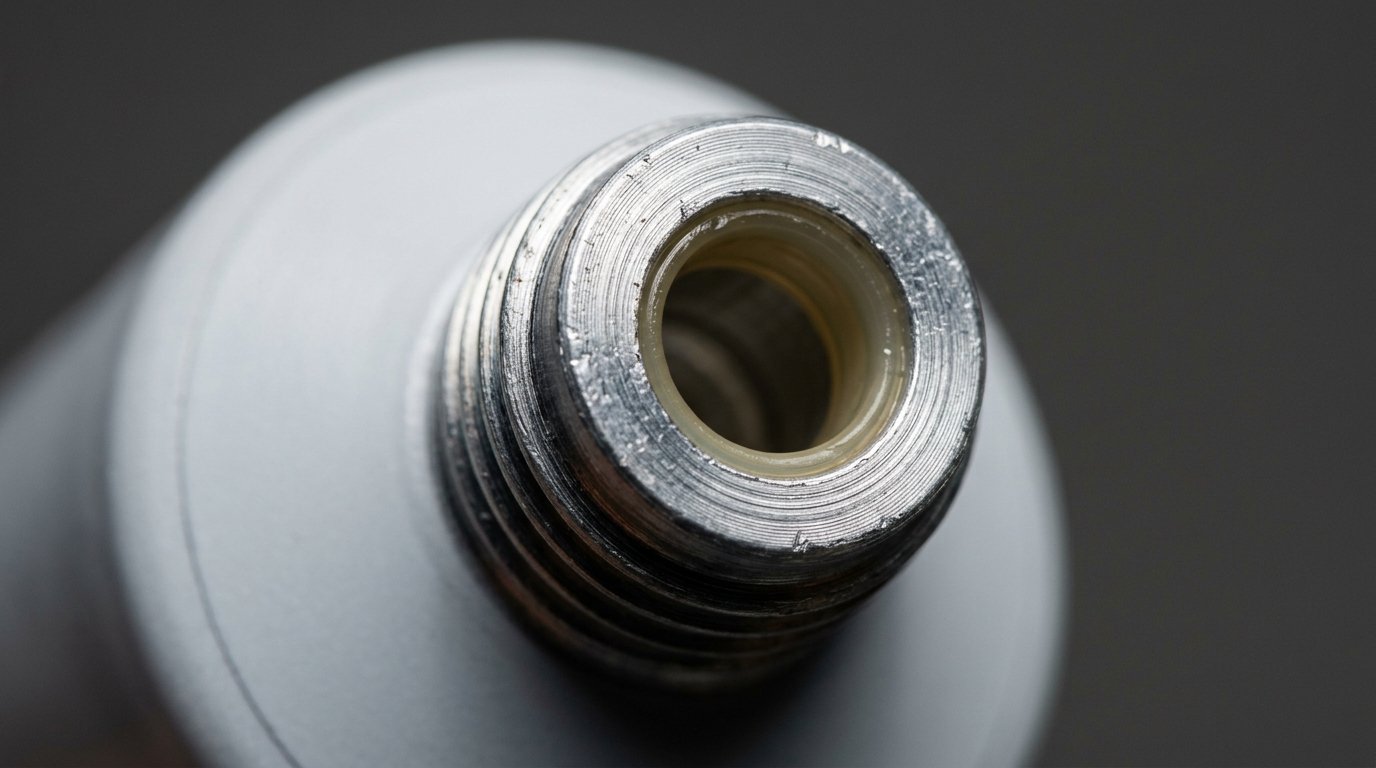
The lining is sprayed on, drained and oven cured. Its coverage window runs from the open end down the inner wall to the shoulder dome, through the neck bore, and around the rim of the orifice. The flat wall is easy. The shoulder and neck are not, and they are where most coverage arguments start, because product sits against that shoulder for the entire shelf life.
Bare aluminum is a real option, inside a narrow band
An anhydrous, near-neutral product with no halides and no aggressive solvent genuinely does not need a lining. Adding one inserts a cure variable and a cost line for no protective gain. The defensible line is narrower: for anything water-bearing, acidic, fluoride-containing or sulfur-active, the lining is the specification that decides whether the project works.
The two specs are bought and tested separately. A tube can pass every external inspection and fail inside within weeks, and a perfectly lined tube tells you nothing about decoration quality. Dolipack describes its aluminum tube linings as BPA-free, safe and stable, which is a starting position rather than a test result you can file.
What the Lining Is Actually Fighting: The Oxide Layer and the Formulas That Beat It
Aluminum does not rust the way steel does, which is why so many buyers assume it is inert. It is not. The metal forms an oxide in air almost instantly. That oxide is extremely thin, self-limiting, and stays put rather than flaking away to expose fresh metal, and that self-sealing behaviour is the only reason bare aluminum survives contact with a formula at all.
The oxide has one real weakness: it is amphoteric
An amphoteric oxide dissolves in strong acid and in strong alkali. Once it dissolves, no barrier is left. Fresh metal meets the fill and the reaction begins, with no visible warning, because the attack happens on the inside of a sealed tube.
Attack vectors worth naming in your own formula
- Low-pH actives: AHA, BHA and stabilised vitamin C systems
- Fluoride in toothpaste, which attacks the oxide directly
- Chloride from salts and from some process water
- Sulfur-containing actives, including thiol-based depilatory chemistry
- Prolonged moisture sitting against the shoulder seam
- High-alcohol gels that dehydrate and stress the film at the fold
What failure looks like in the product rather than on the tube
Not a hole. Off-odour from metal reacting with fatty acids, colour shift and darkening, gassing and pressure build inside a sealed tube, formula separation, and pinholes or thinning at the fold after repeated squeezing. Cut the tube open and it looks fine. The product does not. The timeline along which a sealed tube changes is covered in how long aluminum tubes actually protect a formula, and it is shorter than most briefs assume.
The inside of a filled, sealed tube is its own environment: warm, humid, low-oxygen, in permanent contact with the wall. Corrosion guidance written for exposed tubing does not transfer, because exposed tubing dries, drains and can be inspected. A filled tube does none of that. Once the crimp closes, the wall under the shoulder seam sits against the same film of moisture for the whole shelf life, with no air movement to carry anything away and no way to look at the surface until the tube is cut open.
Before the Lacquer: Alloy, Forming and Pretreatment Decide Whether the Coating Holds
Adhesion is settled before the spray gun is switched on. Collapsible tubes are drawn from soft, high-purity aluminum, because the wall has to deform under thumb pressure and stay deformed. Alloy and temper are chosen for foldability. A harder temper fights the user on every squeeze, which is the opposite of what the format exists to do.
Forming puts the stress exactly where adhesion is weakest
The body is formed first, then the shoulder and neck are created by severe deformation. Worked metal at the shoulder behaves differently from the flat wall, and that is precisely where the coating must hold through crimping, filling and a shelf life of squeezing.
Pretreatment is the step nobody asks about
Drawing lubricant, handling residue and a loose, contaminated oxide all sit between the lacquer and the metal. A line has to degrease, then etch or remove oxide so the film bonds to active metal rather than to debris. Adhesion is mechanical and chemical at once. Skip pretreatment and the film can look perfect on the bench and lift after filling, or undercut from a scratch near the crimp.
Wall quality sets the ceiling on barrier quality
A lining cannot bridge a defect it was never designed to cover. Wall thickness variation and pinholes in the formed tube are thin spots in the barrier, however good the resin is. Dolypackage specializes in pure aluminum collapsible tubes, which is the substrate this whole argument depends on.
Ask two suppliers quoting the same resin what pretreatment their line runs and how that step is monitored. The answers will differ, and a film bonded to debris rather than to active metal fails from the inside out: it lifts and undercuts at the shoulder and the crimp, fill reaches bare aluminum through that gap, and the first sign is a change in the product rather than a visible defect on the tube.
The Four Lining Families: Epoxy-Phenolic, Epoxy-Urea, Organosol and Polyamide-Imide
Lining is not one product. Ask which lining you need and you may get a colour name or a product category. Ask which resin family and which cure schedule, and you find out whether a specification exists at all.
Epoxy-phenolic
The workhorse of the category. Strong acid resistance, low flavour and odour pickup, good adhesion to properly pretreated metal, and the default for a large share of cosmetic and oral-care fills. Its weak spots are strong alkali and some solvent systems, and it needs a genuinely complete cure to lose its own residual smell. A tube that reeks of solvent is an epoxy-phenolic tube pulled from the oven early.
Epoxy-urea
Flexible and adhesion-forward. Chosen where the film must survive deformation and impact rather than sit undisturbed on a flat panel, which describes any tube that is folded and refolded by the user.
Organosol
A dispersion-type lining chosen for aggressive contents and for stress-crack resistance at the fold. It also raises a question worth asking out loud in markets with restrictions on chlorinated plastics, particularly if your brand has made a recyclability claim it intends to publish.
Polyamide-imide
The high-performance, high-cure option for solvent-heavy or demanding technical pastes. It costs more, cures hotter, and is over-specified for a simple hand cream.
Two rules that override the family name
- A thick, undercured film performs worse than a thin, fully cured one.
- The resin name means nothing without the cure schedule and the list of coated zones.
If a supplier answers the lining question with a product category instead of a chemistry and a cure condition, the spec has not been written yet.
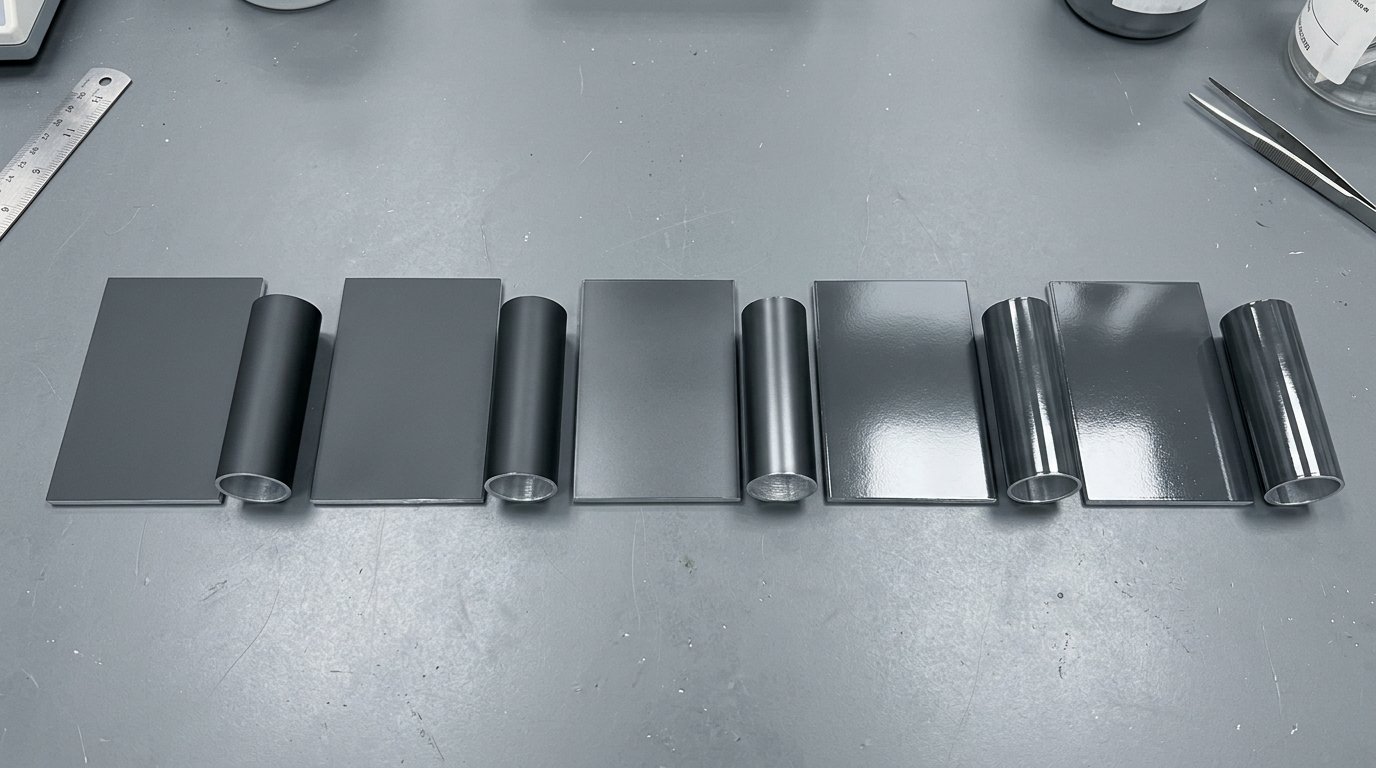
Mapping Your Formula to a Lining: pH, Halides, Sulfur, Solvent and Water
Halide content usually decides the lining faster than pH does, which surprises buyers who have been told to sort products by pH alone. Build a fact sheet before you talk to anyone.
The formula fact sheet
- pH, and whether the system is buffered
- Water content and water activity
- Fluoride and chloride content
- Sulfur-containing actives
- Alcohol and solvent percentage
- Oxidisers, fragrance oils and preservatives
- Fill temperature and any heat exposure during filling or storage
Where the risk actually sits
- Low-pH skincare with AHA, BHA or vitamin C is the classic acid case. It needs acid-resistant chemistry plus a verified continuous film, not a pH number on a finished-product certificate.
- Toothpaste is a compound problem: fluoride attacks the oxide, abrasives scuff any film, surfactants help wet out imperfections. Bare aluminum is the wrong call here, which is part of why toothpaste tube packaging decisions hinge on the lining rather than the decoration.
- Sulfur actives are the ones buyers underestimate. Thiol-based depilatory chemistry and many acne actives react with aluminum to darken and stain, and the failure shows up as discoloured product, not as a hole.
- High-alcohol gels test solvent resistance and can leave the film brittle at the fold after a few months.
- Anhydrous, near-neutral, halide-free ointments and balms are where bare aluminum stays defensible.
The mistake worth naming out loud
Choosing from the product category label. Imagine two hand creams from the same brand: one at pH 5 with vitamin C, one a rich balm with no water and no halides. Same category, two different lining answers.
Close the loop with a trial, not a data sheet
Request a fill-and-store trial in the actual tube, at the real fill temperature, for a period that reflects the shelf life you intend to claim. Ask about trial quantities on the specific tube you plan to run. The range to ask about is documented: Dolipack’s cosmetic aluminum tube line covers diameters from D11.5 to D40 and capacities from 4ml to 200ml, taking in eye creams, gels, mascara, lip balm and cream products.
How the Lining Goes On, and Why Cure Beats Thickness
The lining is applied as a liquid. Lacquer is sprayed into the bore, drained and distributed across the surface, then carried through an oven where solvent leaves and the resin crosslinks into a film. It is a wet process on a curved, closed surface, so uniformity is engineered rather than automatic.
Coverage zones to specify by name
Inner wall, shoulder dome, neck bore, orifice rim. Write all four into the spec. The shoulder and neck are the hardest to coat evenly, the last place anyone inspects, and the exact place where product sits for the length of the shelf life. Shoulder and neck coverage gaps are also behind a share of the complaints covered in why aluminum tubes leak.
Cure completeness is the variable that beats film weight
Undercured film holds solvent, hands the product a chemical smell and adheres poorly. Overcured film goes brittle and cracks at the fold within the first few squeezes. Both failures are invisible in a weight check, which is why grams per square metre is a lazy acceptance criterion on its own.
The internal lining shares an oven with your artwork
The lining is one coating pass with its own thermal cycle, and the tube may then run through base coat, offset printing and overprint varnish, each with its own cure. Every extra pass adds heat history to a film that has already been cured once. Take a plant that changes artwork late and adds a print pass: the lining now passes through an oven exposure nobody re-validated.
Lock the internal coating spec and the artwork together at briefing. Tube geometry constrains what the line can coat, so size, shape and lining belong in one conversation. Dolipack runs 4ml samples to 200ml full-size tubes in round, oval and custom profiles, with flip-top, screw and custom closures, so the format decision and the coating decision can be made in the same meeting.
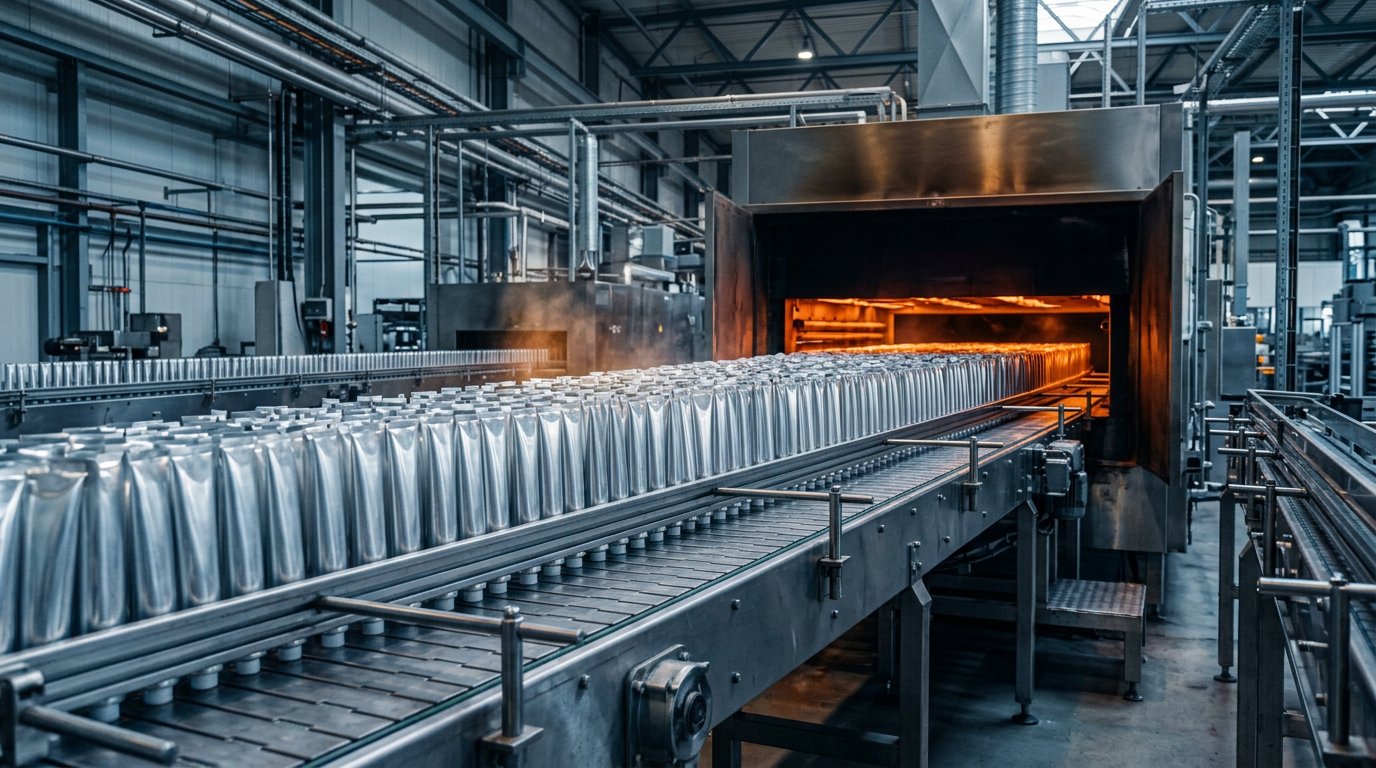
Reading a Coating Spec Sheet, and the Four Tests Worth Demanding
A coating spec sheet is either a functional document or decoration. The difference is the acceptance criteria and the zones.
The four tests worth demanding
- Enamel rater. Measures electrical continuity through the film to detect exposed metal and thin spots. Specify a limit and, more importantly, the zones it is measured on. An average across the flat wall hides a bare neck.
- Porosity and continuity checks. The same family, and they matter most at the shoulder, neck bore and orifice rim rather than on the easy wall.
- Adhesion after deformation. Bend, impact or fold the finished tube, then re-check the film. A lining that passes flat and fails at the fold has not been tested at all.
- Cure and residue checks. A solvent wipe or extraction result plus a documented cure condition. Sniffing an empty tube in a meeting room is a warning sign, not a test.
Film weight belongs on the sheet as a process control, not as a standalone acceptance criterion.
What a complete specification states
- Resin family
- Film weight target and range
- Cure schedule
- Zones coated
- Test methods by name
- Acceptance criteria per test
- Scope of the compliance statement: which market, which regulation
Red flags
A spec that names only colour and thickness. Tests listed with no acceptance limit. A compliance claim with no document behind it. A generic lining offered for every product in the catalogue, regardless of chemistry.
Compliance and Migration: The Questions to Ask, Not the Advice to Follow
The rules depend on the destination market and they change, so confirm current requirements with the relevant authority and your own regulatory team. What follows is the set of questions a buyer actually controls.
Scope is where documentation quietly falls short
Ask which framework the coating supplier’s declaration of compliance covers, and whether the declaration is for the resin, the finished coating, or the finished coated tube. Those are three different documents. A declaration at resin level does not describe what the film is after curing, crimping and a print pass.
Evidence rather than intent
Ask for the migration or extraction test report: who ran it, when, against which conditions of use, and on which substrate. A declaration without a test report is a statement of intent. Then ask what the declaration covers in terms of substances of concern, and how the supplier tracks a resin supplier reformulating a product. Change notification is the part of the chain nobody documents until it becomes a recall.
Traceability and the recycled-content story
Ask whether the coating is documented per batch, who holds the records and for how long. If you cannot trace a tube batch back to a coating lot, you cannot answer a customer complaint. On recycled content, keep the two stories apart: the recyclability of aluminum tube containers is a genuine selling point, and Dolipack states that recycling aluminum uses only 5% of the energy required for virgin production, but a recyclability claim and a food-contact declaration are different documents. For the market-by-market picture, see international regulations and standards for aluminum tube packaging.
Build that file before the first purchase order. Scope, test conditions, batch lot and change notification are the four things a customer complaint will ask you for, and none of them can be reconstructed afterwards.
Pick Your Lining by Product Category, Then Send This Inquiry Checklist
The table below is a starting point, not an answer. Category is a shortcut; formula is the decision. Two rows can carry the same label and land in different lining directions.
| Product category | Formulation risk | Bare aluminum | Lining direction | Verify this |
|---|---|---|---|---|
| Toothpaste | Fluoride, abrasive, surfactant, high water | No | Acid-resistant epoxy-phenolic, fully cured and continuous | Fluoride level plus enamel rater results at the neck bore |
| Hand cream and body lotion | Water-bearing emulsion, fragrance oils, mildly acidic | No | Epoxy-phenolic unless actives push pH down | pH, buffer, fragrance load and fill temperature |
| Pharmaceutical ointment | Often anhydrous, API sensitivity | Sometimes | Bare only when strictly anhydrous and halide-free, otherwise epoxy-phenolic with pharma documentation | Scope of the migration report and batch traceability |
| Hair colour and oxidative dye | High pH, oxidisers, aggressive actives | No | Polyamide-imide or an aggressive-service organosol | Alkali resistance and film continuity after deformation |
| Depilatory cream | Thiol sulfur actives, high pH | No | Lining selected against sulfur staining, not pH alone | A stored-sample colour check, not a data sheet |
| Acidic skincare with AHA, BHA or vitamin C | Low pH, acid actives | No | Acid-resistant epoxy-phenolic, continuity verified | Adhesion after folding plus enamel rater at shoulder and neck |
| Food pastes such as tomato and mustard | Acidic, water-bearing, salted | No | Acid-resistant food-contact lining with market-specific documentation | Which regulation and which market the declaration covers |
| Lip balm and eye cream | Mostly anhydrous, sensitive sensory profile | Often | Bare when anhydrous and halide-free, otherwise low-odour epoxy-phenolic | Odour and taste check on the coated tube |
| Technical and industrial paste | Solvent-heavy, abrasive, non-cosmetic | Depends | Polyamide-imide or organosol by solvent load | Solvent resistance and cure condition |
What to put in the first email
- The formula fact sheet from earlier in this article, with every line answered rather than left blank
- Destination market and any regulatory claim you intend to publish
- Target shelf life and the storage conditions you will claim
- Fill and sealing conditions
- Decoration and finish plan, including print passes
- Annual and first-order volumes with a size range
- Tests and documents required, by name
- Sample timeline and the deadline you are working to
Then compare answers, not prices
Score suppliers on whether they ask follow-up questions about the formula, whether they can name a resin family and a cure condition without checking with someone, and whether they offer a fill-and-store trial rather than only a data sheet. A quote per thousand tells you nothing about whether the film will hold.
The next step
Dolipack manufactures aluminum collapsible tubes, also called aluminum squeeze tube packaging and collapsible metal tubes, from 4ml to 200ml in round, oval or custom profiles with flip-top, screw or custom closures. Behind that range sit an R&D team of over 22 people and more than 260 standard and non-standard molds across factories in Yuyao, Wuxi, Yangzhou and other sites. Customized packaging for daily chemical, pharmaceutical, food and mechanical sectors is the day job.
Send the formula fact sheet and your target market, and ask for a lining recommendation with the cure condition and test methods attached. A price per thousand without those three items is not a quote yet.
Frequently asked questions
Does every aluminum tube need an internal coating?
No. An anhydrous, near-neutral formula with no halides and no aggressive solvent can run in bare aluminum, and adding a lining then introduces a cure variable and cost you do not need. Anything water-bearing, acidic, fluoride-containing or sulfur-active is a different case, because there the lining is the specification that determines whether the product stays stable through shelf life.
How do you check that an aluminum tube lining is complete?
Use an enamel rater, which measures electrical continuity through the film to find exposed metal and thin spots, and specify which zones it is measured on rather than accepting a wall average. Pair it with porosity checks at the shoulder and neck bore, then fold or impact the finished tube and re-test adhesion. A lining that passes flat and fails at the fold has not been tested.
Can a coated aluminum tube still be recycled?
Yes. The tube body is aluminum, which is why the format holds up well against plastic on recyclability. Dolipack states that recycled aluminum can re-enter production within 60 days and that recycling uses about 5% of the energy needed for virgin metal. Confirm the accepted stream with your local waste handler, since coating and cap material can affect what a given facility takes.