
The tube that sells lip gloss isn’t the prettiest one — it’s the one where shape, applicator, and finish all match the formula’s viscosity and the brand’s shelf position. Get the wand wrong and you’ll get streaky application or a gloopy mess; get the finish wrong and a $28 gloss looks like a $3 drugstore impulse buy. Nail all three, and the packaging does half the selling for you before the customer even opens it.
Start With the Formula, Not the Design Brief
Here’s a mistake we see constantly: brands pick a gorgeous tube shape first, then try to force their formula to work with it. Backwards. Viscosity should drive applicator choice, and applicator choice should drive tube diameter and neck design.
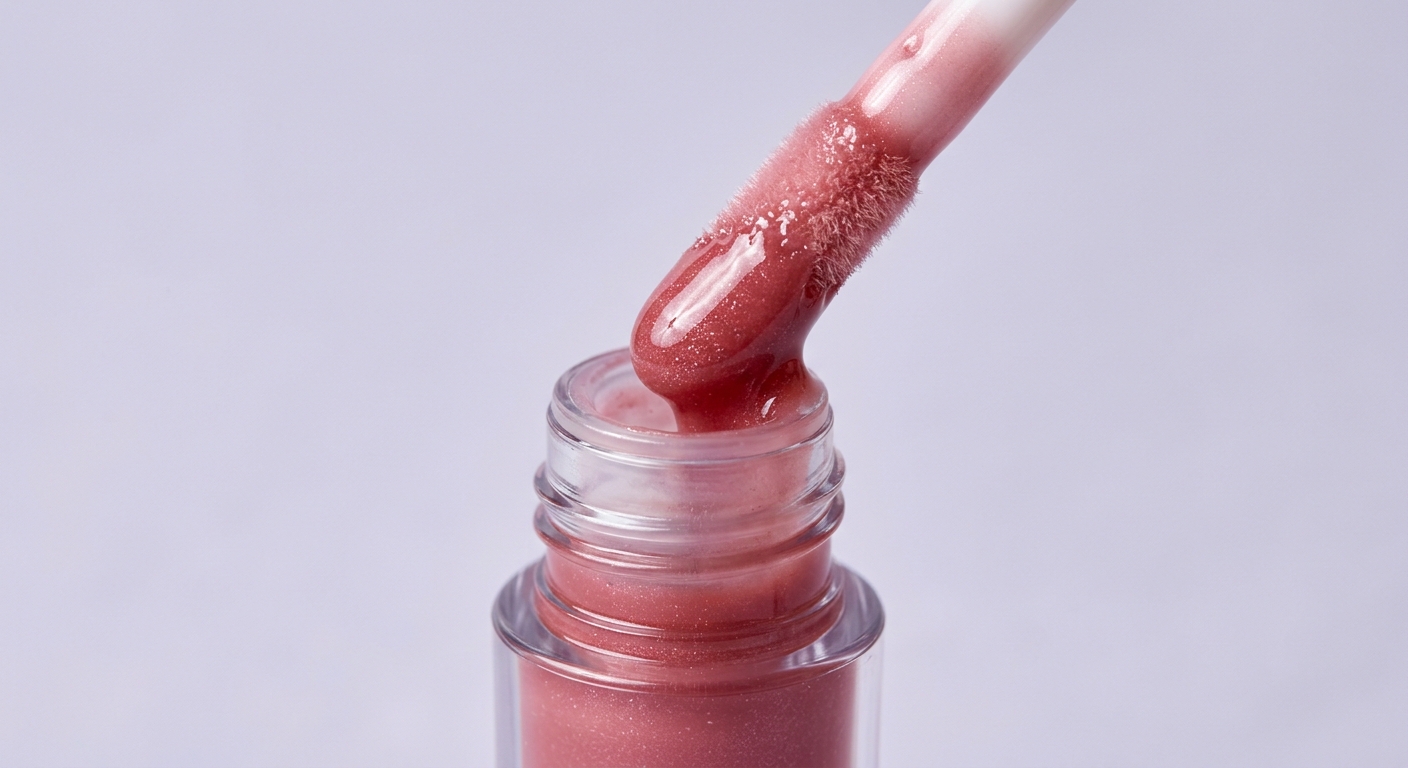
A thin, oil-based lip gloss behaves nothing like a thick, pigment-heavy formula. Thin oils wick up a doe-foot wand too fast and pool at the tip — leading to overapplication and mess. Thick, high-pigment glosses need a firmer wand with more bristle or foam surface area to actually pick up product from the barrel.
Quick viscosity test
- Runs like honey at room temp → doe-foot or brush wand, standard barrel
- Thick and paste-like → wider barrel opening, stiffer applicator, consider a squeeze tube format instead of a wand tube
- Oil-based and runny → ball-tip applicator or a tube with a tighter wiper seal to control flow
If you’re unsure how your formula will behave in different tube types, it’s worth reviewing how aluminum vs. plastic tubes protect formulas differently — the same protection logic applies before you even get to applicator choice.
Wand vs. Brush vs. Squeeze: The Real Tradeoffs
Not all applicators are created equal, and the industry default — the doe-foot wand — isn’t always the right call. Three formats dominate the market, and each one sends a different signal to the shelf.
Doe-foot wand
Cheap to tool, familiar to consumers, works for 70% of gloss formulas. It’s the safe choice, but it’s also the most common — meaning it does nothing to differentiate a premium line.
Brush applicator
Better payout control for full-pigment or metallic finishes. Brands going after a “luxury lip color” positioning almost always upgrade to brush. Costs about 5-10% more in tooling and component sourcing, but the perceived value jump is bigger than that.
Squeeze tube with nozzle
Skip the wand altogether. This format works well for tinted lip oils, balms, or travel-size SKUs where the customer applies with a fingertip or dabs directly. It’s also the format that pairs best with wholesale cosmetic squeeze tubes supply chains, since tooling is simpler and MOQs tend to be lower.
Shape Is a Branding Decision, Not Just an Aesthetic One
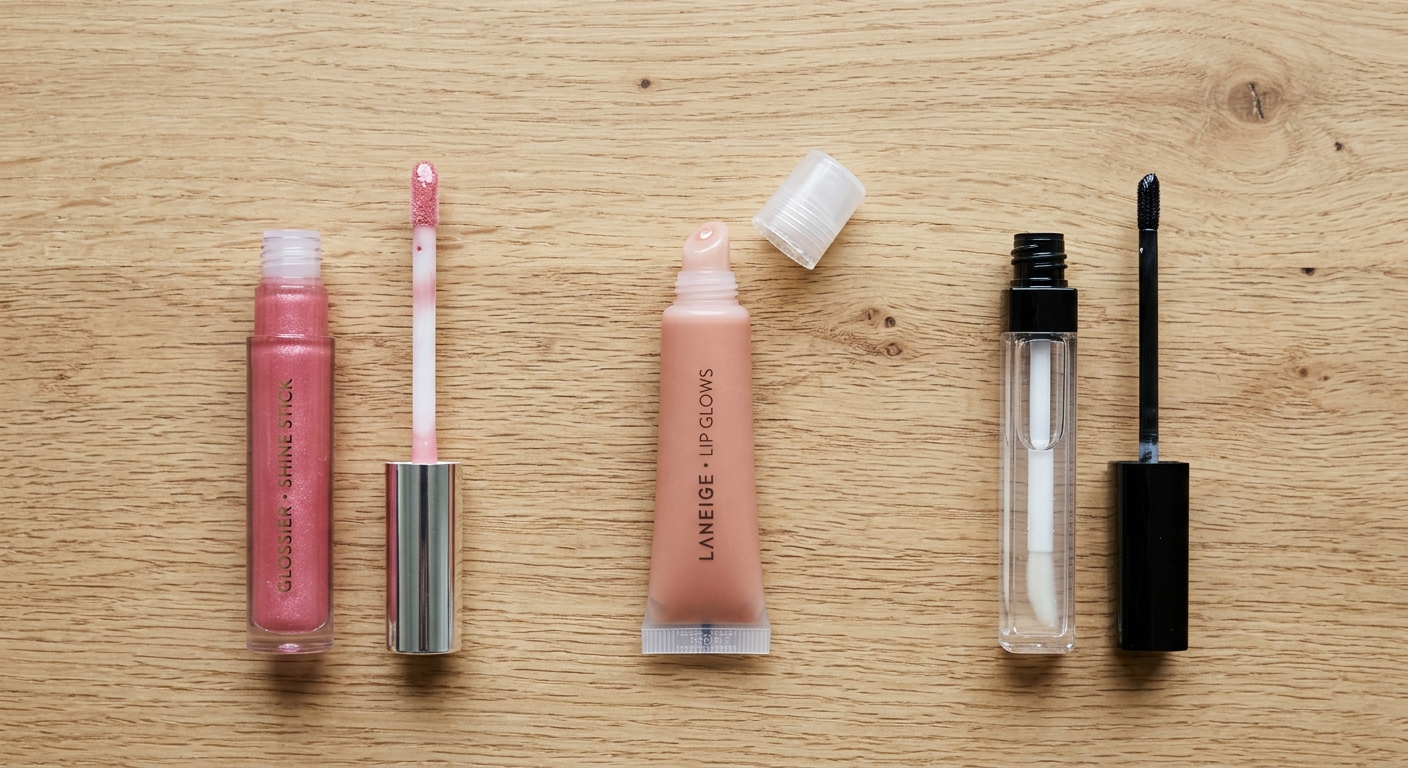
A round barrel says safe and mass-market. A hexagonal or faceted barrel says premium. An ultra-slim pen-style tube says travel or minimalist skincare-adjacent branding. Shape is doing marketing work whether you plan for it or not.
Common shapes and what they communicate
- Round barrel — universal, cost-efficient, easiest to source in bulk
- Hexagonal/faceted — premium feel, catches light on shelf, slightly higher tooling cost
- Slim/pen-style — travel-friendly, popular for lip oils and tinted balms
- Squared-off barrel — modern, editorial, stands out in flat-lay social content
For instance, an indie beauty brand launching a limited holiday lip gloss collection might choose a faceted hexagonal barrel specifically because it photographs well under ring light — a detail that matters more than it should for a product that lives and dies on Instagram and TikTok unboxings.
Finish: Where Most Brands Leave Money on the Table
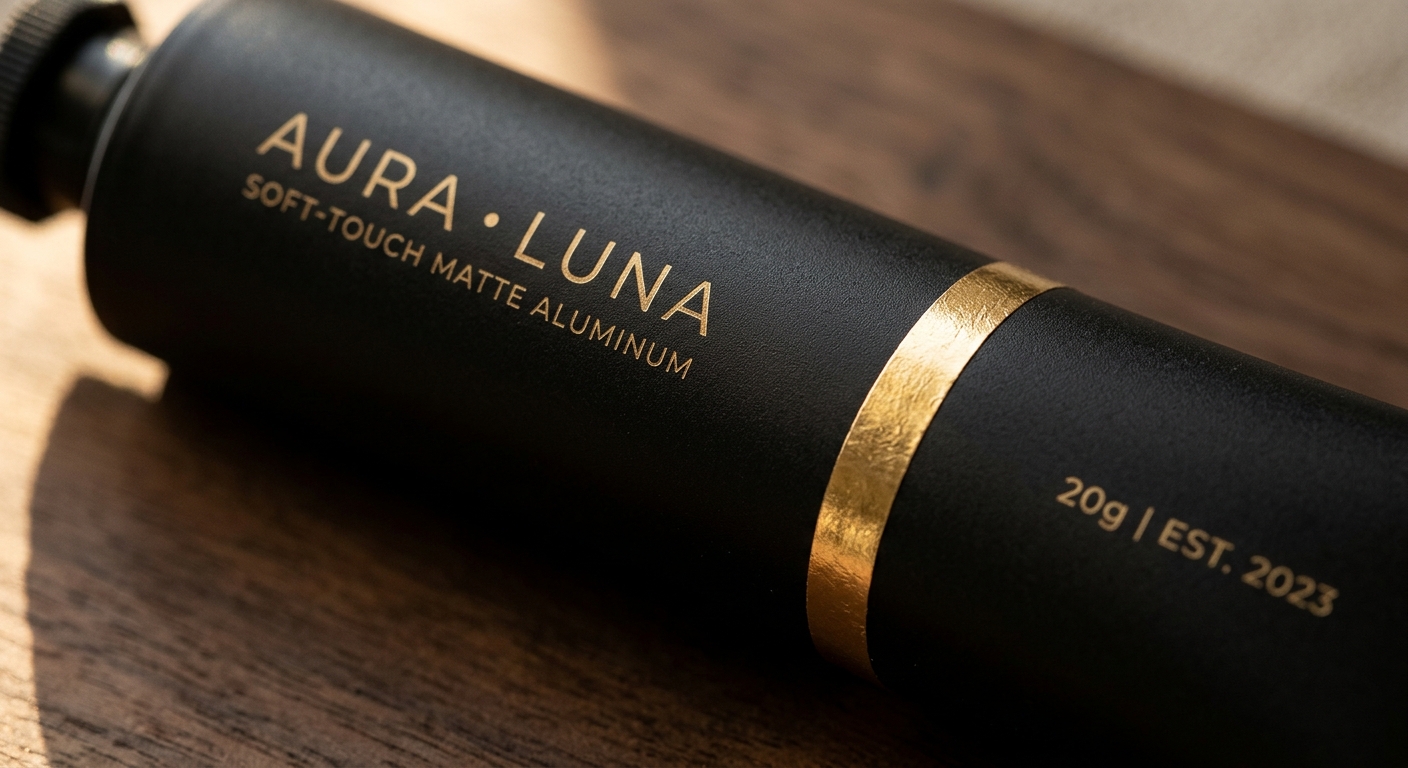
Matte, glossy, metallic, soft-touch — the finish on your tube barrel is the fastest, cheapest way to shift perceived value without changing a single component. A soft-touch matte finish on an aluminum barrel can make a $6 landed-cost tube feel like a $15 retail product.
Finish options worth considering
- Glossy lacquer — vibrant, reflective, good for bold color branding
- Matte/soft-touch — premium, fingerprint-resistant, dominant trend in 2026 gloss launches
- Metallic (gold, rose gold, gunmetal) — signals luxury, pairs well with hot-stamped logos
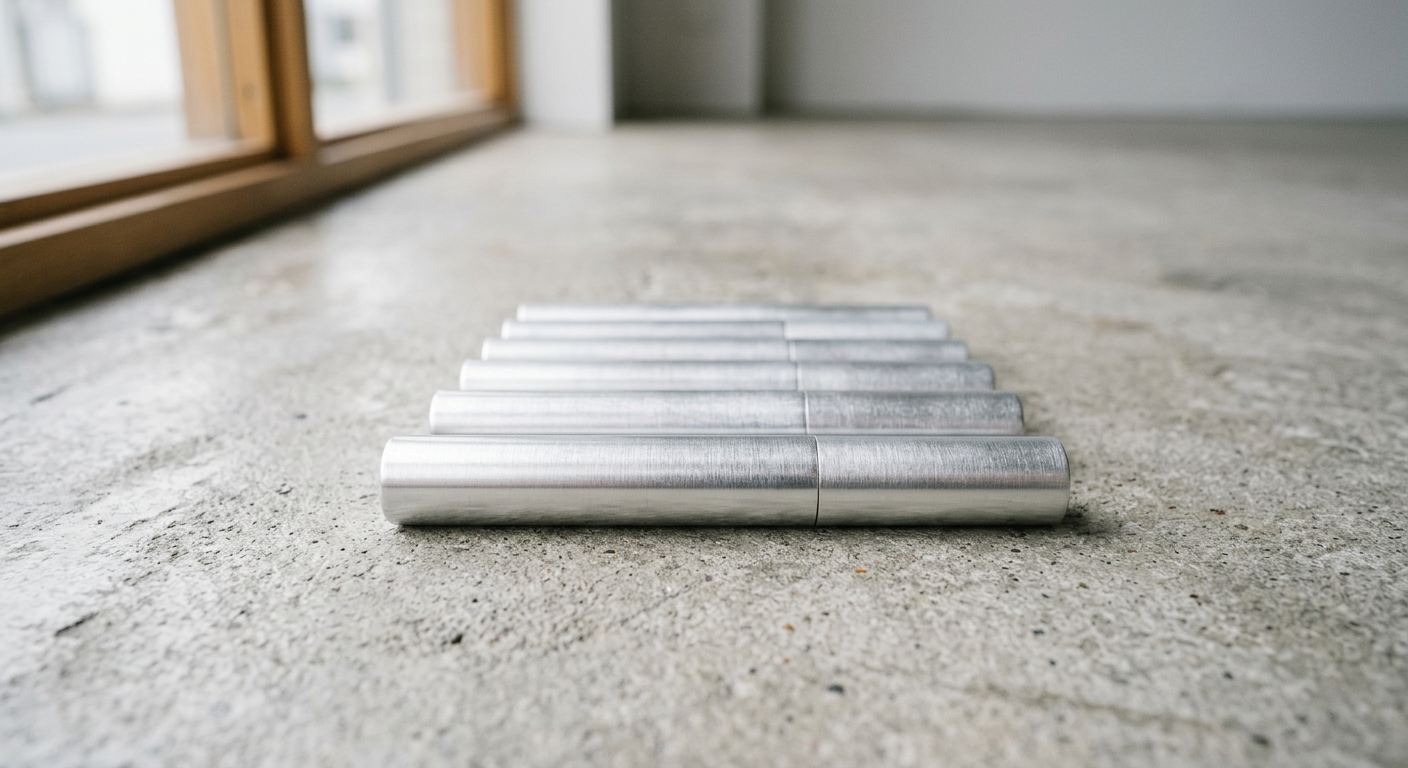
- Frosted or brushed metal — understated, works well for clean-beauty positioning
This is one area where metal squeeze tubes elevate cosmetic packaging more effectively than plastic — aluminum takes finishes like anodizing, hot-stamping, and matte lacquer far more consistently than plastic barrels, which tend to show scuffs and uneven coating over time.
Why Aluminum Barrels Are Gaining Ground Over Plastic
Plastic still dominates the lip gloss tube market by volume, but aluminum is quietly winning on the metrics that matter for premium and mid-tier brands: barrier protection, recyclability messaging, and finish quality. Oil-based glosses and lip treatments with active ingredients (vitamin E, hyaluronic acid, peptides) benefit from aluminum’s superior light and oxygen barrier — plastic is porous enough to let some formula degradation happen over an 18-24 month shelf life.
There’s also the sustainability argument. Brands leaning into sustainable cosmetic packaging positioning get a real story to tell with aluminum: it’s infinitely recyclable without quality loss, unlike most cosmetic-grade plastics. If your brand deck has a sustainability slide, the barrel material better back it up.
Neck, Wiper Seal, and Cap: The Details That Prevent Complaints
Most lip gloss packaging failures aren’t about the barrel — they’re about the neck and wiper seal. A loose wiper seal lets excess product build up on the wand and cap threads, which then dries into a crusty mess after two weeks of use. That’s a real customer complaint, not a hypothetical one.
What to check with your supplier
- Wiper seal tightness rated for your formula’s specific viscosity — not a generic spec sheet number
- Cap torque consistency (target 3-5 full turns to seat, no more)
- Neck thread compatibility if you’re sourcing barrel and cap from different production runs
This is the same failure pattern discussed in why aluminum tubes leak and how to fix it before production — seal quality control has to happen at the component level, before filling, not after complaints start coming in.
MOQ, Tooling, and What Custom Actually Costs
Fully custom lip gloss tubes — unique barrel shape, custom-molded applicator, brand-specific cap — typically require MOQs starting around 10,000-30,000 units per SKU because of tooling investment. Semi-custom (stock barrel shape, custom color and finish, custom printing) can start much lower, sometimes 3,000-5,000 units, since no new molds are needed.
Here’s a practical example: a startup indie brand with three shades might launch with semi-custom tubes at 5,000 units per shade to keep upfront capital manageable, then move to fully custom tooling once sales data justifies the investment. That staged approach is far more common — and far smarter — than betting the entire budget on custom tooling for an unproven SKU.
For a deeper breakdown of what drives lip gloss tube manufacturing decisions specifically, see our complete guide to custom lip gloss tube manufacturing.
Evaluating a Cosmetic Tube Manufacturer Before You Commit
Not every cosmetic tube manufacturer can handle the tight tolerances lip gloss packaging demands — wand length consistency, wiper seal fit, and finish uniformity across large batches are harder to nail than they look. Ask for physical samples from a live production run, not just a prototype sample, before signing off on a purchase order.
Questions worth asking any supplier
- Can you provide finish samples (matte, metallic, glossy) on the actual barrel material you’ll use?
- What’s your defect rate on wiper seal fit across a 10,000-unit run?
- Do you offer customization support for cosmetic tube packaging beyond just printing — shape, applicator, and closure included?
A supplier who hesitates on any of these is telling you something.


